What is 3D Rapid Prototyping?

3D Prototyping
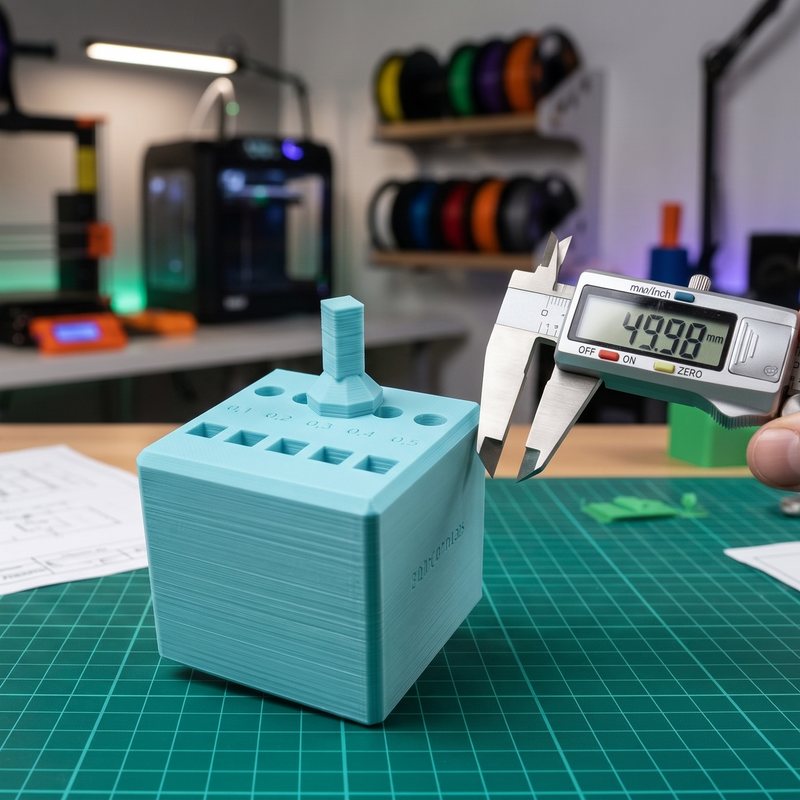
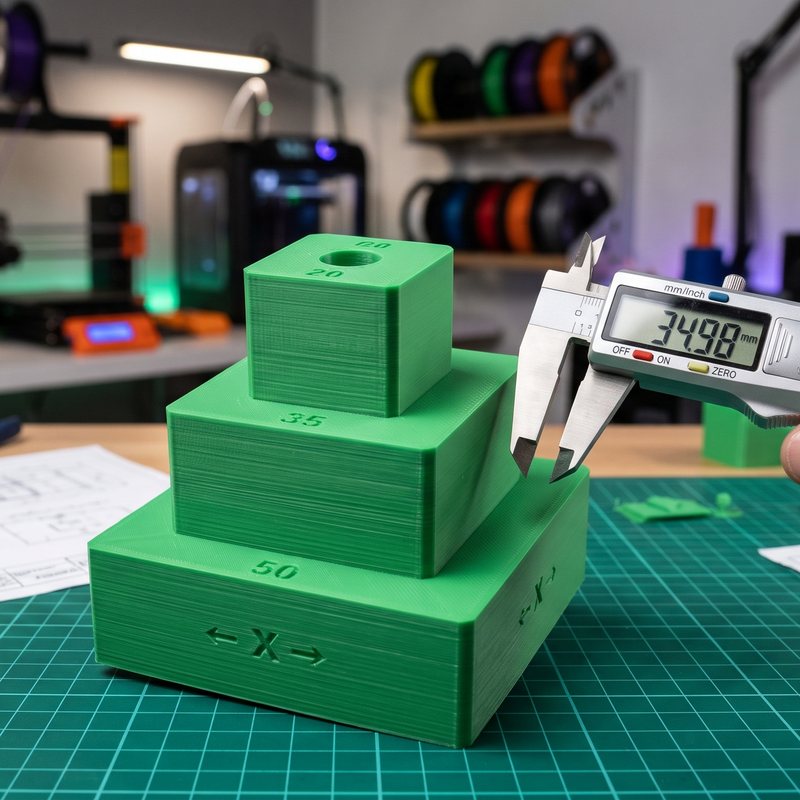
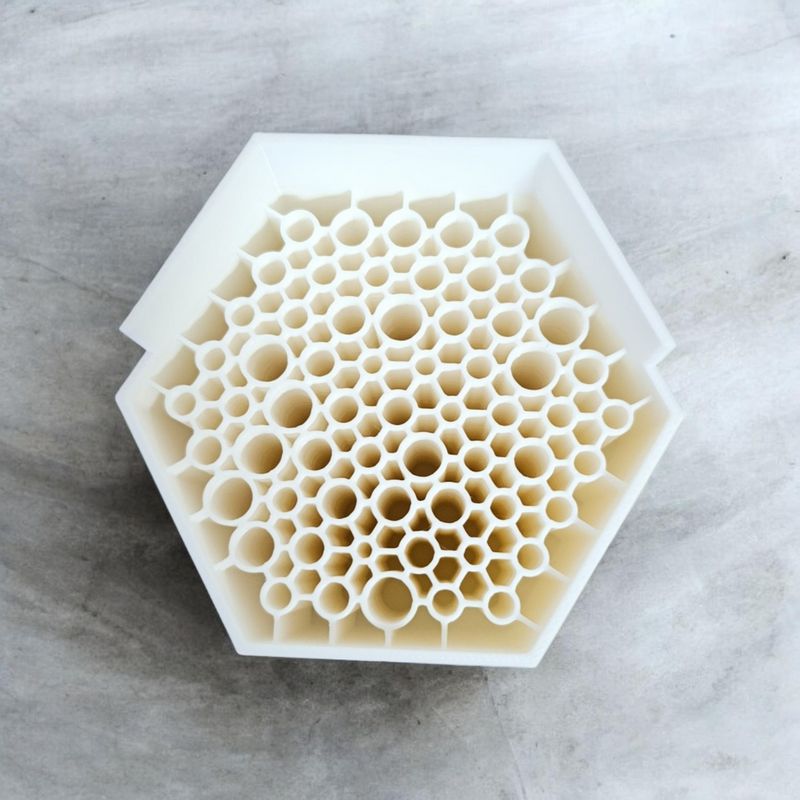
3D prototyping, often referred to as "rapid prototyping," is the process of fabricating a physical model or mockup of a design or product directly from a computer-aided design (CAD) file. Unlike traditional manufacturing methods that require complex and costly tooling, 3D prototyping uses additive manufacturing technologies (such as 3D printing) to build the object layer by layer.
Key Steps in the 3D Prototyping Process:
3D Modeling (Digital Design): This is the first and most fundamental step. The idea or concept is modeled in 3D using CAD software (e.g. SolidWorks, Fusion, Blender). This digital file (often in .STL or .OBJ format) contains all the geometric information needed for fabrication.
File Preparation (Slicing): The 3D model is then imported into slicing software. This software virtually cuts the object into a series of thin horizontal layers and generates a tool path (G-code) that the 3D printer can understand and execute. At this stage, you configure the print parameters (material type, layer height, infill density, supports, etc.).
3D Printing: The 3D printer builds the object layer by layer, depositing or solidifying material according to the G-code instructions. The printing technology chosen (FDM, SLA, SLS, etc.) will depend on your prototype's requirements in terms of accuracy, surface finish, and mechanical properties.
The physical prototype is then tested to validate its shape, fit, function, and aesthetics. Based on test results, the 3D model can be modified and a new prototype printed. This rapid iteration cycle (design-fabrication-testing) is one of the biggest advantages of 3D prototyping.