From Clay to Pixel: The Revolution of 3D Modeling in Automotive Design
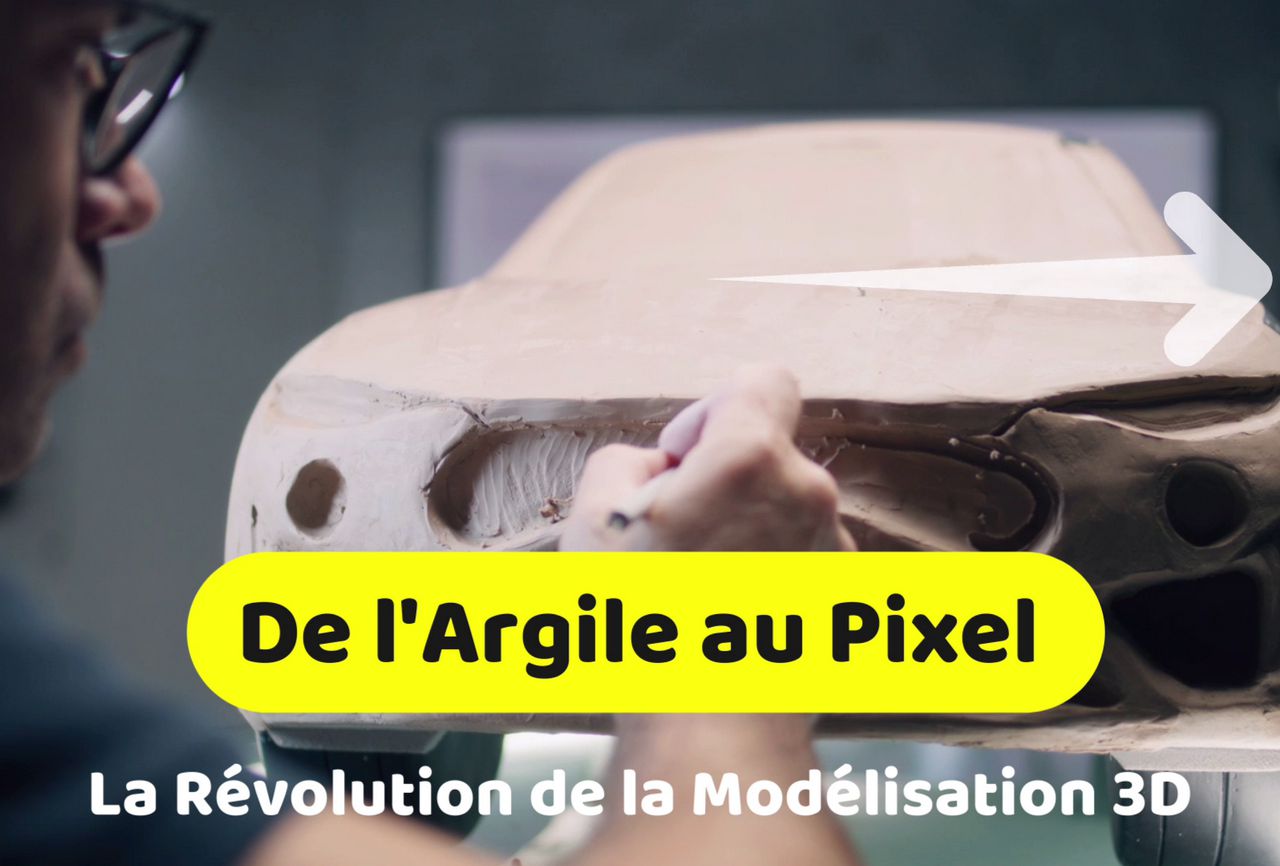
The automotive industry is synonymous with precision and innovation speed. The shift from hand-sculpted 3D models to computer-aided design (CAD) is one of the most profound revolutions of recent decades, transforming a slow artisanal process into an ultra-precise and integrated digital workflow.

The Golden Age of Clay: The Craft of Form
For decades, the heart of automotive design lay in the modeling studio.
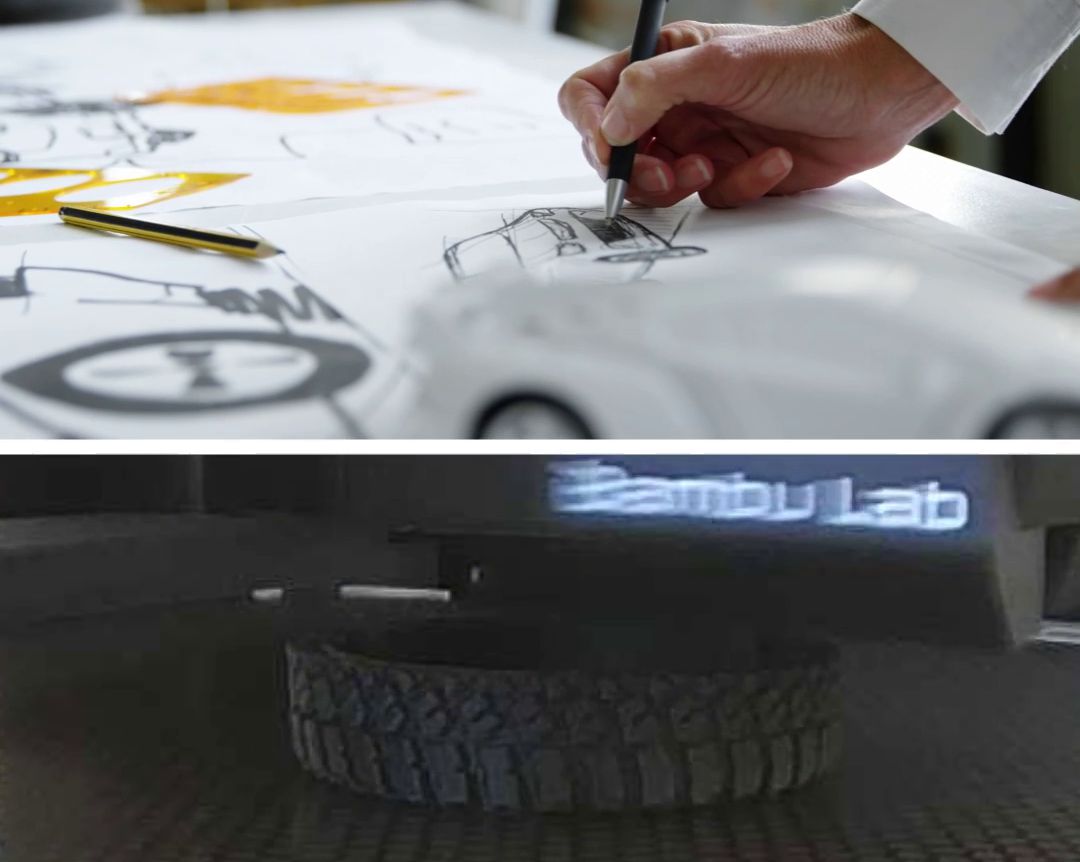
The designer would sketch an idea, but it was the sculptor-modeler who gave it its final form. Full-scale models were created from industrial clay (hardened wax) on a wooden or metal frame.
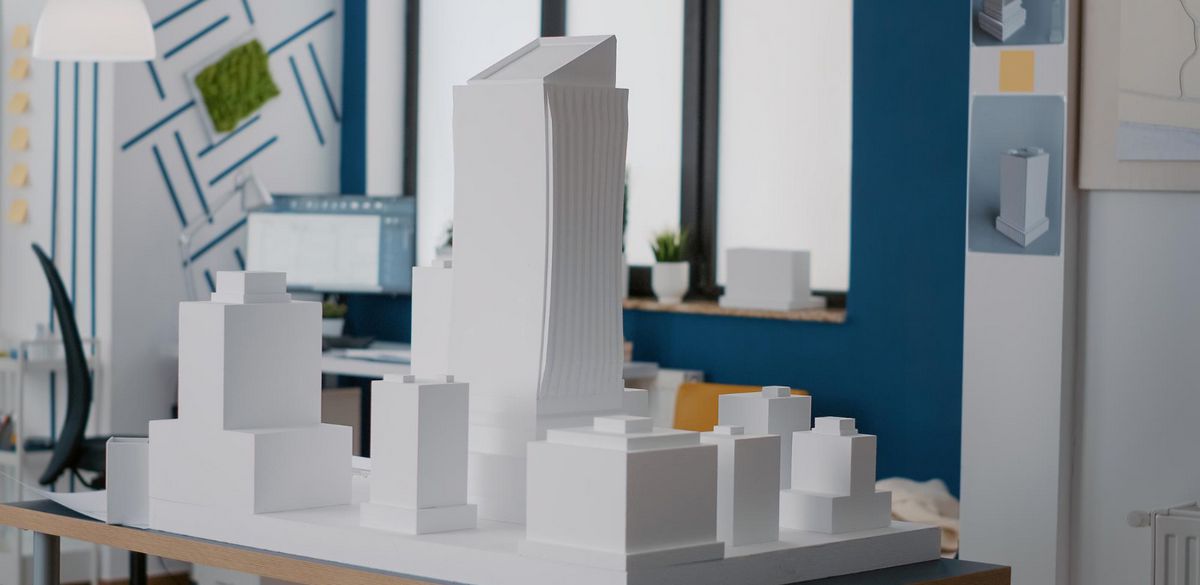
- Advantages of Manual Work: This approach offered immediate, tactile feedback. The designer could feel the curves, evaluate volumes, and observe how light reflected on the bodywork—a critical factor for vehicle aesthetics.
- Limitations: This process was extremely slow, requiring weeks or even months to finalize a shape. Moreover, last-minute modifications were time-consuming and costly. Most importantly, data (dimensions, volumes) had to be measured manually and transferred to engineers, introducing precision risks.
The Digital Era: Mathematical Precision
With the development of CAD tools in the 1990s, modeling shifted from the physical world to the digital realm. Powerful software like CATIA and Autodesk Alias became the new design studios.
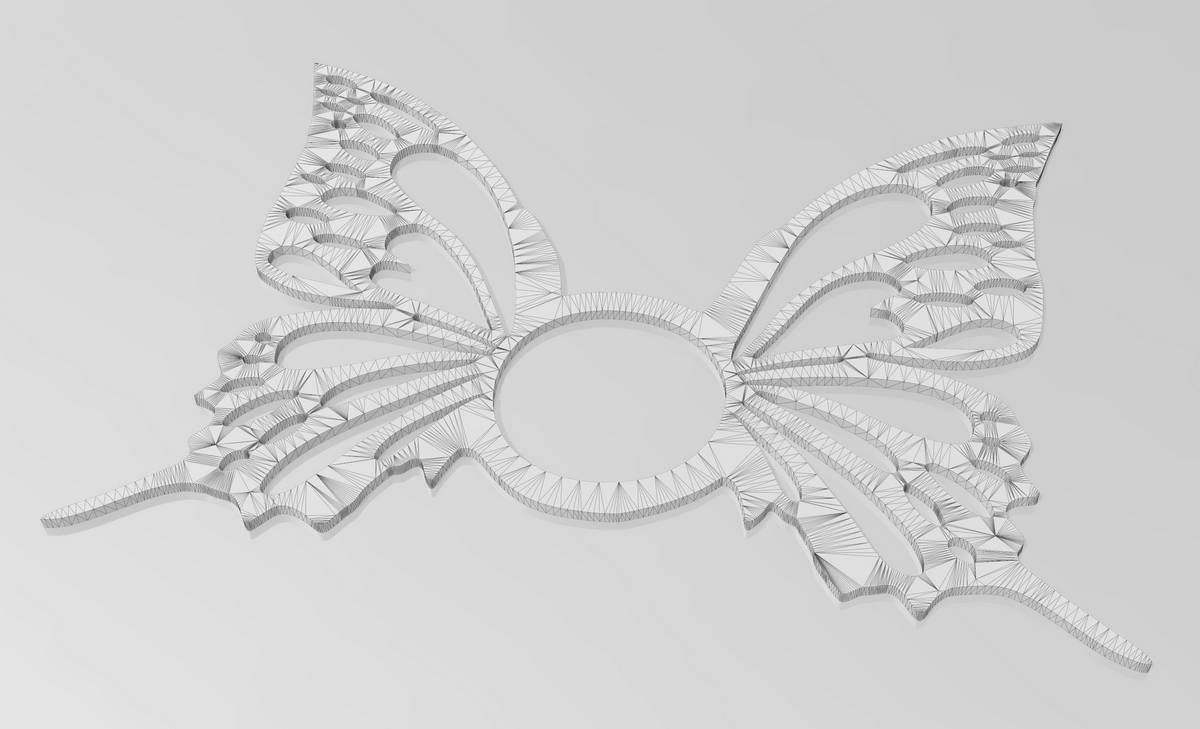
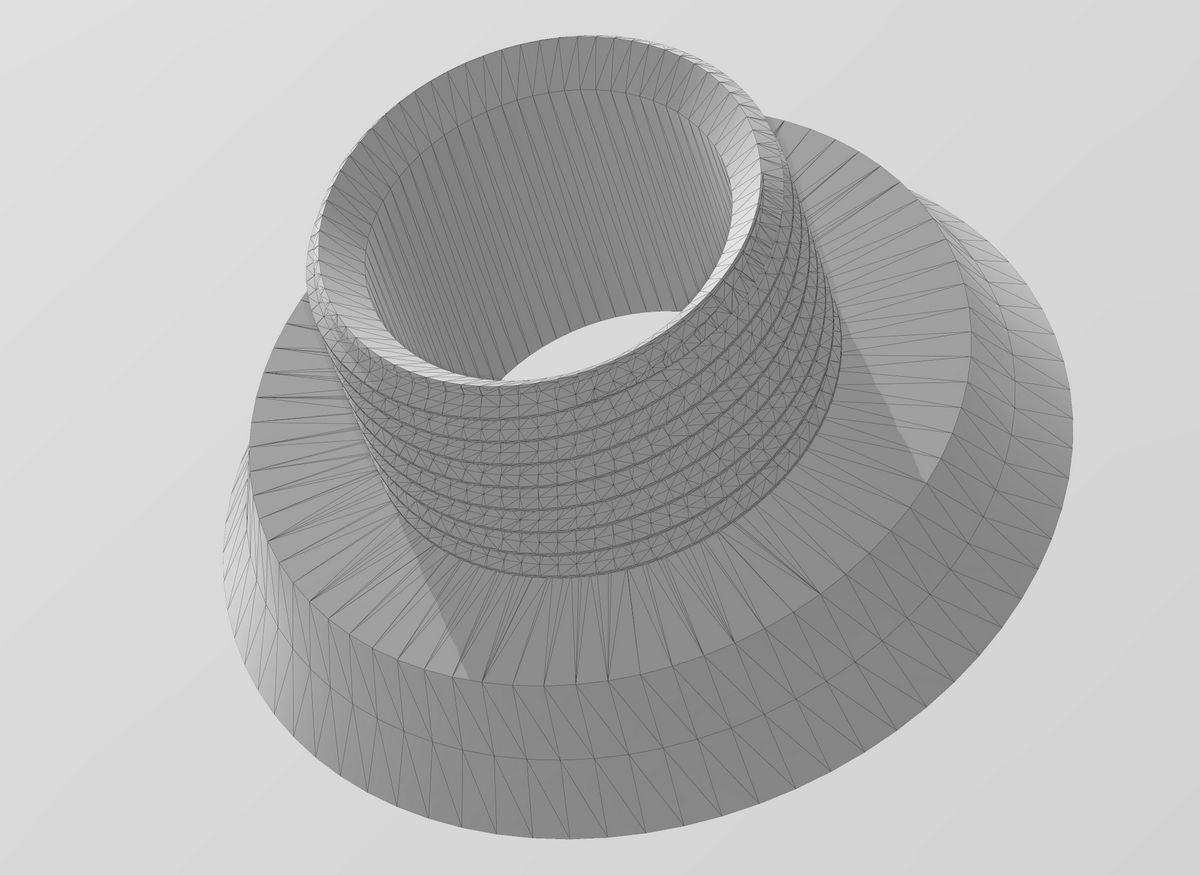
- Aerospace-Grade Precision: The digital model is based on exact mathematical surfaces (Bézier curves or NURBS). This guarantees micron-level precision, essential for manufacturing tolerances, aerodynamics, and part assembly.
- Rapid Iteration: Iteration time dropped from weeks to hours. Designers can explore hundreds of variations and "what-if" scenarios without touching clay, dramatically accelerating the design cycle.
- Total Integration: The 3D model becomes the single source of truth. It's directly used by engineers for crash simulations, aerodynamic testing, and production planning, ensuring a smooth transition to manufacturing.
Hybrid Modeling: Human and Machine
Today, the process is rarely 100% digital or 100% manual. Most automakers use a hybrid workflow that leverages the best of both worlds.
- Digital Sculpting First: The design is created primarily on computer.
- Physical Validation Model: A clay model is then built (often by CNC milling machines using digital data) or used to refine aesthetic details.
- 3D Scanning: If adjustments are made to the clay, the physical model is immediately 3D scanned (with laser scanners) so real-world data is fed back into the CAD model.
Additionally, 3D printing allows critical design elements (mirrors, door handles, headlights) to be instantly materialized to verify ergonomics and fit on the physical model before the bodywork shape is even finalized.
In conclusion, while today's designer no longer works directly with hands in clay, the digital 3D model is the driving force behind automotive innovation, ensuring faster, more precise design from initial sketch to finished vehicle.