3D Printing Essential Vocabulary
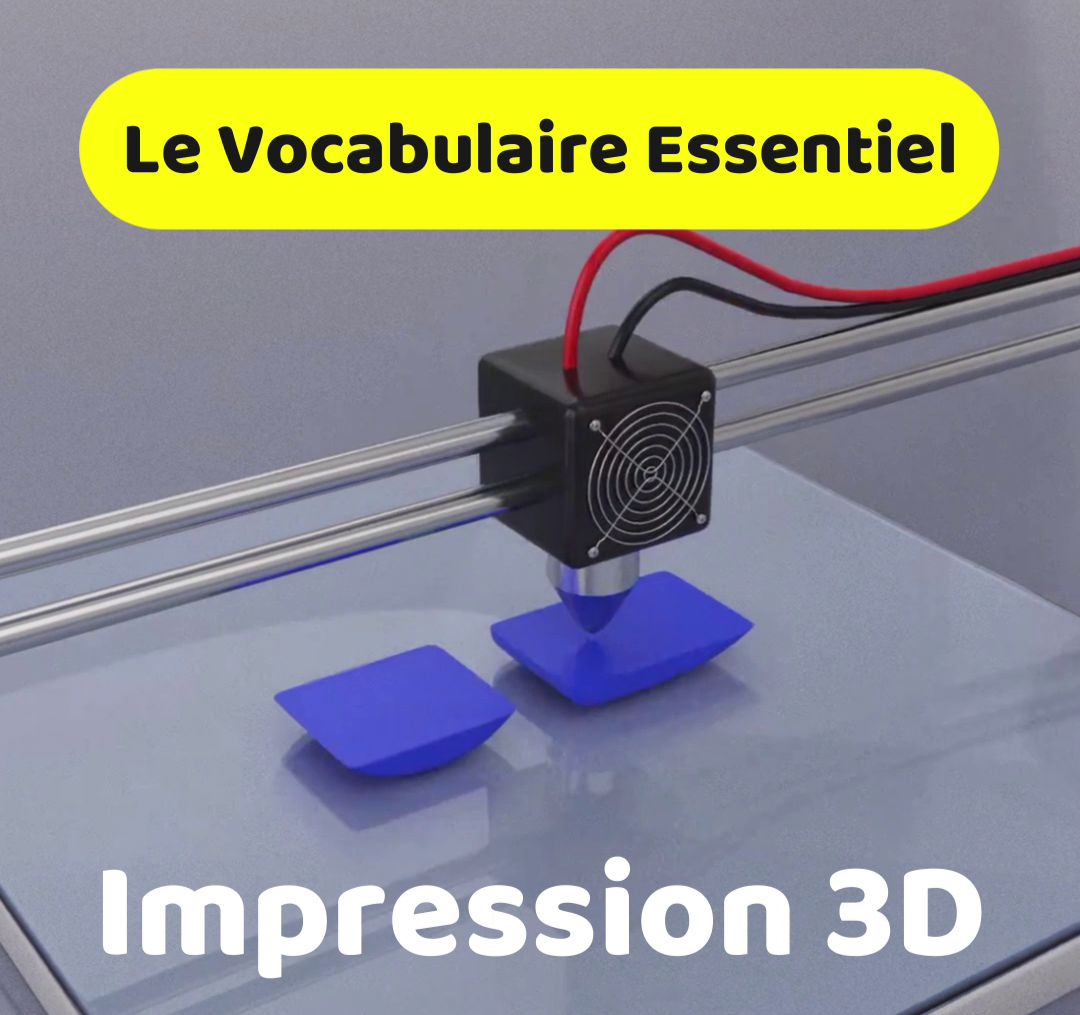
3D printing is a thrilling field, but it comes with its own technical jargon. Mastering this vocabulary is essential to nail your prints, follow tutorials, and most importantly, troubleshoot problems. Here's a guide to the most important terms for every maker.

1. Software and File Preparation
STL File: The standard file format that describes the geometry of a 3D model. It's the file you download or create.
3D Modeling (CAD): The process of creating the digital model of an object, often with software like Fusion or Tinkercad.
Slicer: The software that converts the STL model into a series of thin layers. It "slices" the model.
G-code: The programming language that the 3D printer understands. It contains all the instructions (movements, temperatures, speed, etc.).
2. Machine Components
Extruder: The mechanical assembly that pushes the filament (the motor) toward the hotend.
Hotend: The heating part that melts the filament before it's deposited.
Nozzle: The heated tip through which molten plastic is extruded. Its standard size is 0.4 mm.
Build Plate / Heated Bed: The printing surface on which the object is built. Heat helps with adhesion.
Bowden / Direct Drive: Types of extrusion systems.
Bowden: the motor is located away from the print head.
Direct Drive: the motor is mounted directly on the print head.
3. The Printing Process
Leveling: Adjusting the build plate so it's perfectly flat and at the correct distance from the nozzle across its entire surface. Critical for the first layer.
Build Plate Adhesion: The ability of the first layer to stick properly to the plate so the print doesn't come loose.
Infill: The internal structure of the object (often in a grid or honeycomb pattern). An infill of 20% is a good balance between strength and speed.
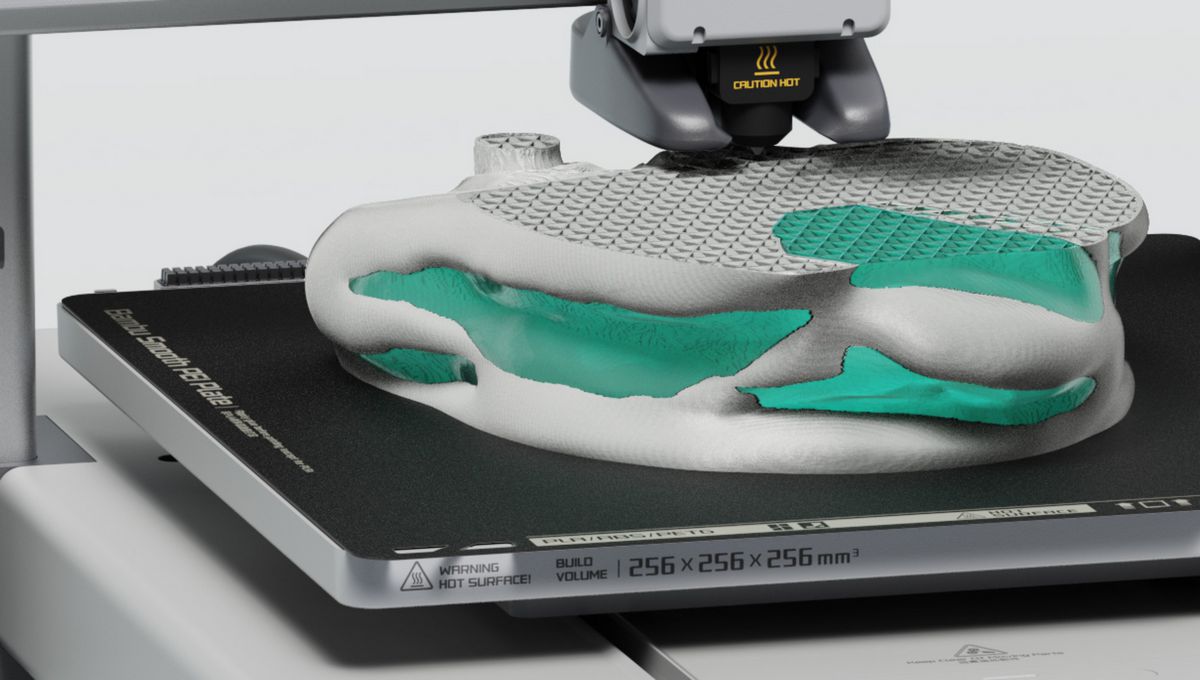
Supports: Temporary structures the printer builds to support overhanging parts. They must be removed after printing.
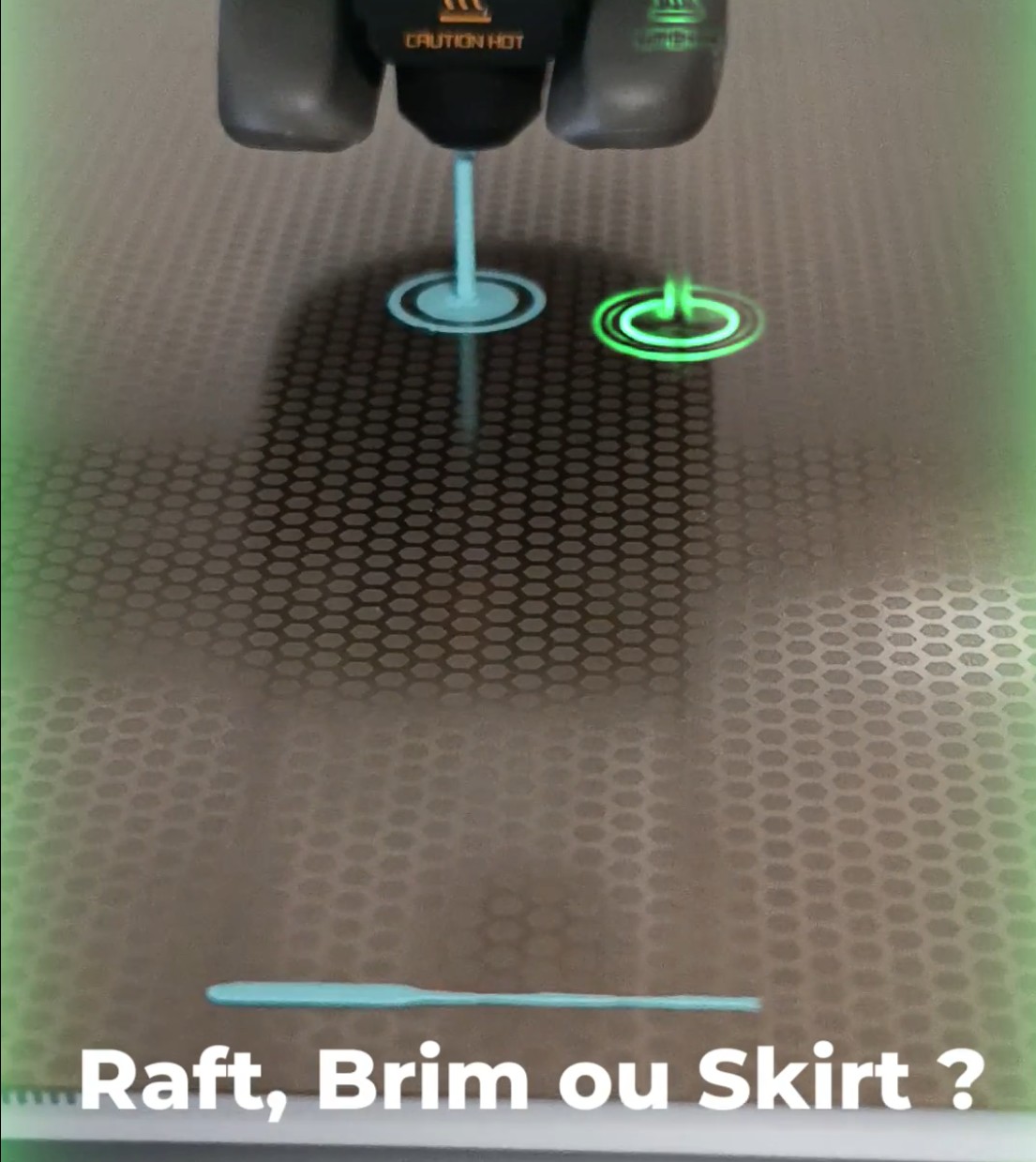
Raft, Brim, Skirt: Adhesion assistance options. Raft: complete base under the part. Brim: outline that extends around the first layer. Skirt: simple line traced around the part without touching it.
4. Common Issues and Materials
Warping: The deformation or lifting of corners and edges of the part during cooling, causing it to lift off the build plate.
Stringing: The deposition of fine filaments (like hair) between two parts of the object, often caused by incorrect retraction settings.
Retraction: The backward movement of the filament to prevent stringing when the nozzle moves without extruding.
PLA: Polylactic Acid. The easiest filament to print, biodegradable and often used for figurines or simple prototypes.
ABS: Acrylonitrile Butadiene Styrene. A stronger, heat-resistant filament, but requires an enclosed chamber to prevent warping.
PETG: Polyethylene Terephthalate Glycol. A good balance between PLA's ease of use and ABS's durability.
By mastering these terms, you'll be able to communicate clearly about your projects, follow technical guides, and become an expert at troubleshooting. Happy printing!