The Different Types of 3D Printing: A World of Additive Possibilities
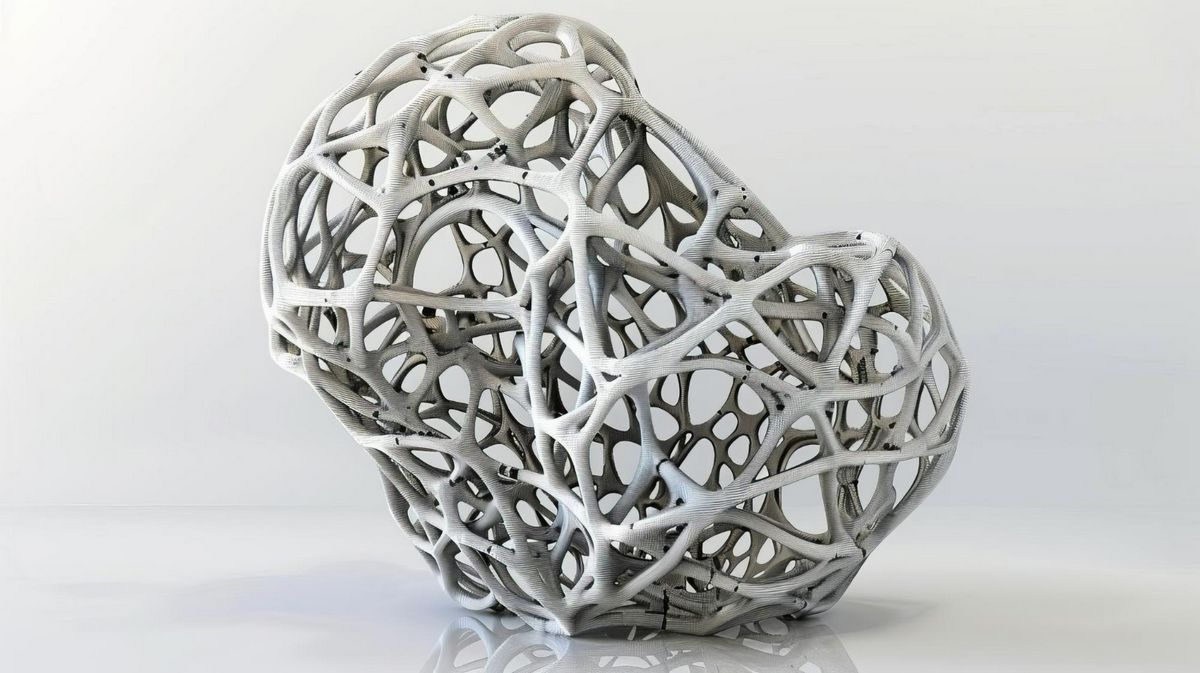
3D printing, or additive manufacturing, has revolutionized the way we design and produce objects. Far from being a single technology, it actually encompasses a multitude of processes, each with its own principles, materials, and applications. Understanding these different technologies is essential for choosing the most suitable method for a project, whether it's prototyping, manufacturing functional parts, or creating works of art.
Let's explore the most common types of 3D printing, from the most accessible to the most industrial.
FDM (Fused Deposition Modeling) / FFF (Fused Filament Fabrication)
FDM is the most well-known and widespread 3D printing technology, especially among the general public and makers.
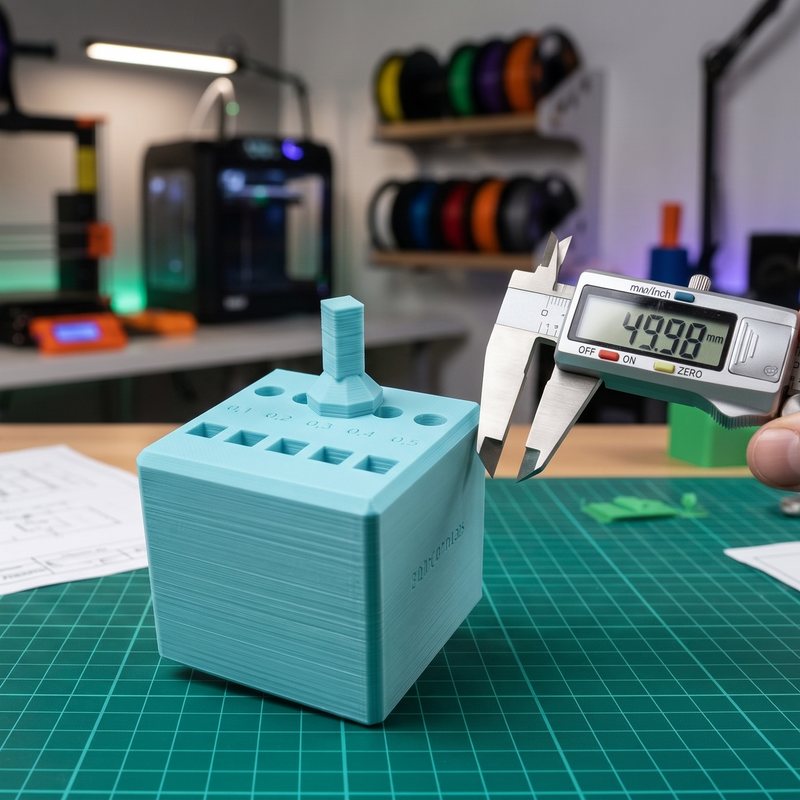
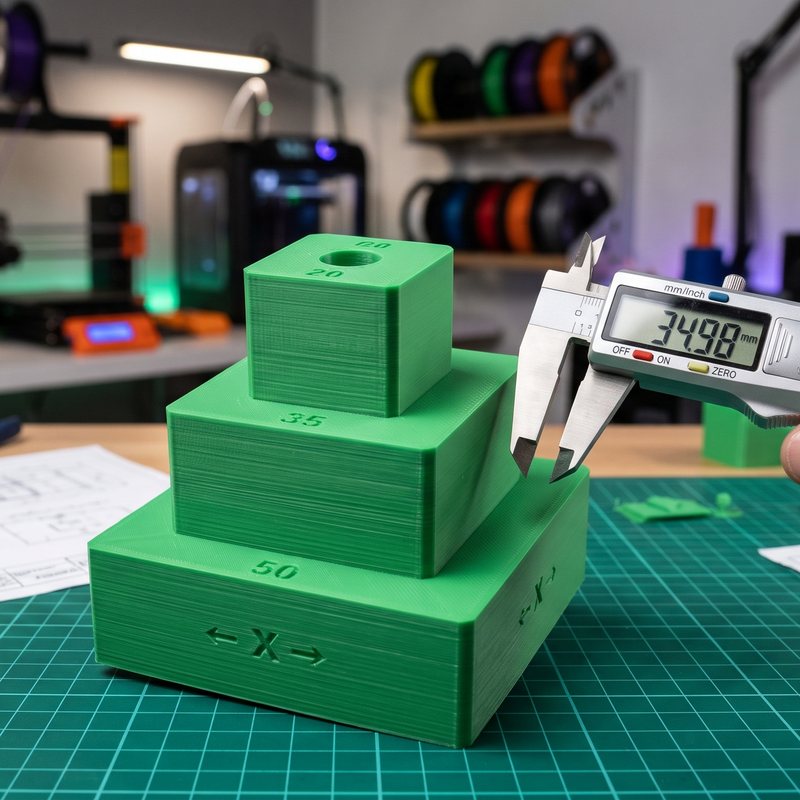
- Principle: A filament of thermoplastic material (such as PLA, ABS, PETG) is heated and extruded through a nozzle. This melted material is deposited layer by layer onto a build platform, solidifying as it contacts ambient air and forming the object.
- Typical materials: Plastics (PLA, ABS, PETG, TPU, Nylon, ASA, PC, etc.).
- Advantages: Affordable printer and material costs, wide variety of colors, relative ease of use, excellent for functional prototypes and everyday parts.
- Disadvantages: Visible layer lines, lower precision and surface finish compared to other technologies, need for support structures for complex geometries.
- Applications: Rapid prototyping, toys, decorative objects, brackets, small mechanical parts, education.
SLA (Stereolithography) and DLP (Digital Light Processing)
These technologies use light to solidify liquid resin. SLA appeared before FDM.
- Principle: A UV laser (SLA) or digital projector (DLP) selectively targets areas of a photosensitive liquid resin vat. The light hardens the resin, and the build platform gradually rises or lowers to reveal the next layer.
- Typical materials: Photopolymer resins (rigid, flexible, transparent, dental, burnout, etc.).
- Advantages: Very high precision, fine details, smooth surfaces, ideal for complex and aesthetic models.
- Disadvantages: Higher material costs, need for post-processing (cleaning and UV post-curing), materials more fragile than some FDM plastics.
- Applications: Jewelry, dentistry (aligners, surgical guides), detailed figurines, high-fidelity prototypes, molds, scale modeling.
SLS (Selective Laser Sintering)
SLS is a powder bed fusion technology.
- Principle: A powerful laser selectively fuses powder particles (typically polyamide or polypropylene) layer by layer. The unfused powder remains in place and serves as support for the part, eliminating the need for external support structures.
- Typical materials: Polymer powders (Nylon PA12, PA11, PP, TPU) or, for industrial variants, metal powders (see DMLS/SLM below).
- Advantages: Highly resistant and functional parts, great design freedom (no supports needed), ideal for complex and interlocking parts, good productivity for small runs.
- Disadvantages: High machine acquisition cost, slightly grainy surface, requires a heated build chamber and powder recovery.
- Applications: Automotive parts, engineering components, orthoses and medical prostheses, finished products for small to medium series.
Binder Jetting
Binder Jetting is another powder-based technology.
- Principle: A print head deposits liquid binding agent onto a powder bed (metal, ceramic, sand). The binder glues particles together to form each layer. Once printing is complete, the part is often infiltrated with another material or sintered in a furnace for densification.
- Typical materials: Metal powders (stainless steel, bronze), ceramics, sand.
- Advantages: Enables printing of metal and ceramic parts at potentially lower cost, great design freedom as unfused powder serves as support, faster for large parts.
- Disadvantages: Requires significant post-processing steps (degreasing, sintering, infiltration), final properties may vary depending on post-processing.
- Applications: Prototype metal parts, tooling, foundry parts (sand molds), decorative elements.
DMLS (Direct Metal Laser Sintering) / SLM (Selective Laser Melting)
These technologies are SLS variants for metals.
- Principle: A high-power laser (for DMLS) or electron beam (for EBM - Electron Beam Melting) fully melts (SLM) or partially sinters (DMLS) very fine metal powder particles layer by layer, creating dense metal parts.
- Typical materials: Titanium alloys, aluminum, stainless steel, Inconel, cobalt-chrome, etc.
- Advantages: Highly resistant, lightweight and complex metal parts, ideal for critical applications requiring extreme performance, ability to create complex internal channels (cooling).
- Disadvantages: Very high machine and material costs, lengthy process, requires an inert atmosphere.
- Applications: Aerospace (engine parts, structural components), medical devices (orthopedic implants), high-performance automotive, industrial tooling.
Material Jetting (MJ) / PolyJet
Similar to an inkjet printer, but in 3D.
- Principle: Print heads jet fine droplets of liquid photopolymers onto a platform, which are then instantly polymerized (hardened) by UV light. Gelatinous support materials are also deposited and can be easily removed afterward.
- Typical materials: Photopolymers that can simulate different materials (rigid, flexible, transparent, opaque) and even be mixed for color and property variations.
- Advantages: Extremely high resolution and detail, very smooth surfaces, ability to print multi-material and multi-color models in a single part, ideal for visual realism.
- Disadvantages: High cost, materials generally more fragile than thermoplastics, requires post-processing to remove supports.
- Applications: Realistic visual prototypes, detailed medical models, consumer product prototypes, injection molds.
These six main types represent only part of the 3D printing ecosystem, which continues to evolve with emerging technologies (such as sheet fusion manufacturing or composite material deposition). Each method brings its added value, pushing the boundaries of design and manufacturing.
The choice of technology will always depend on the specific needs of the project: the desired material, geometry complexity, required precision, surface finish, production volume, and of course budget. 3D printing is not a one-size-fits-all solution, but a diverse toolbox that makes it possible to turn imagination into reality.