3D Printing Revolutionizes the Eyewear Industry
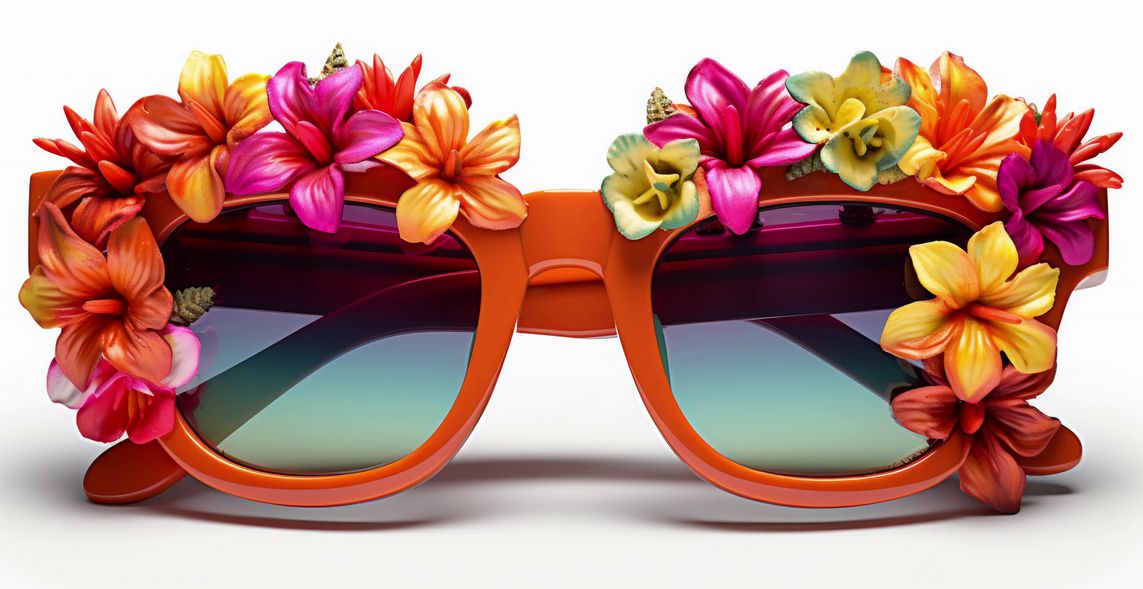
In the world of optics, eyewear is far more than just a vision correction tool: it's a fashion accessory, a statement of style, and an object of comfort. 3D printing, through its ability to combine technical precision with design freedom, has profoundly transformed this sector. From simple prototypes to made-to-order production, this technology offers a new vision for eyewear creation.
From Prototyping to Custom Production

3D printing has simplified and accelerated the entire lifecycle of a frame, from concept to finished product.
- Rapid prototyping: Designers can now 3D print frame prototypes in just a few hours. This allows them to immediately test the aesthetics, balance, and comfort of a design, and adjust it in record time—without investing in expensive molds.
- Custom production: This is one of the biggest advantages of 3D printing. By scanning a customer's face in 3D, it's possible to create frames perfectly adapted to their facial structure. This guarantees optimal comfort and prevents glasses from slipping or pinching—a level of personalization once reserved for luxury eyewear.
- Limited editions and capsule collections: For brands wanting to create unique collections or limited series, 3D printing is the ideal solution. It enables production of small quantities of exclusive models without requiring plastic injection tooling, reducing costs and promoting creative agility.
Materials and Design: Pushing the Boundaries of Creativity
The technology has opened new possibilities in terms of shapes, textures, and lightweight construction.
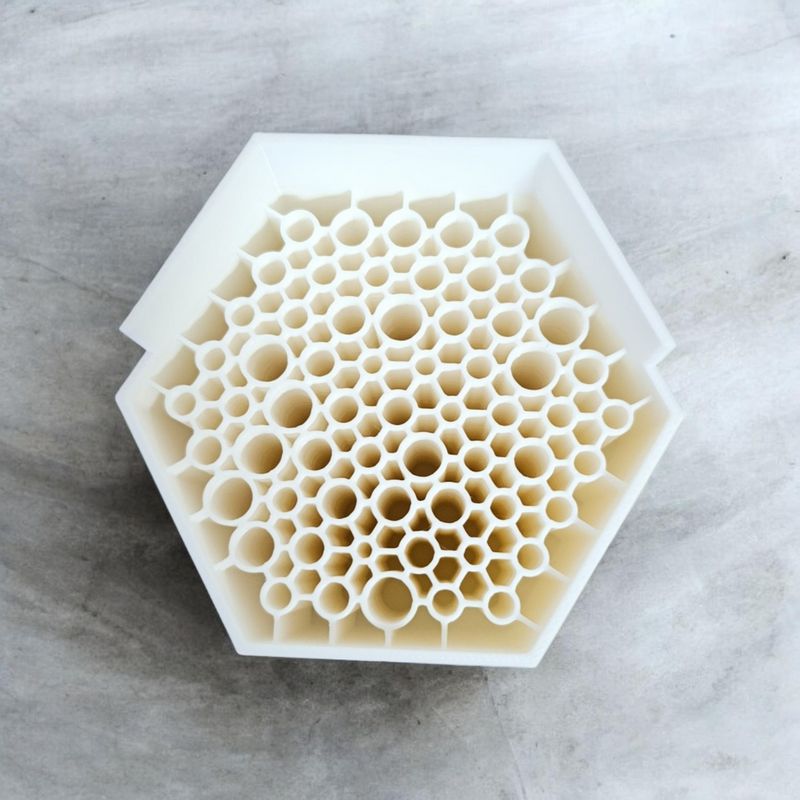
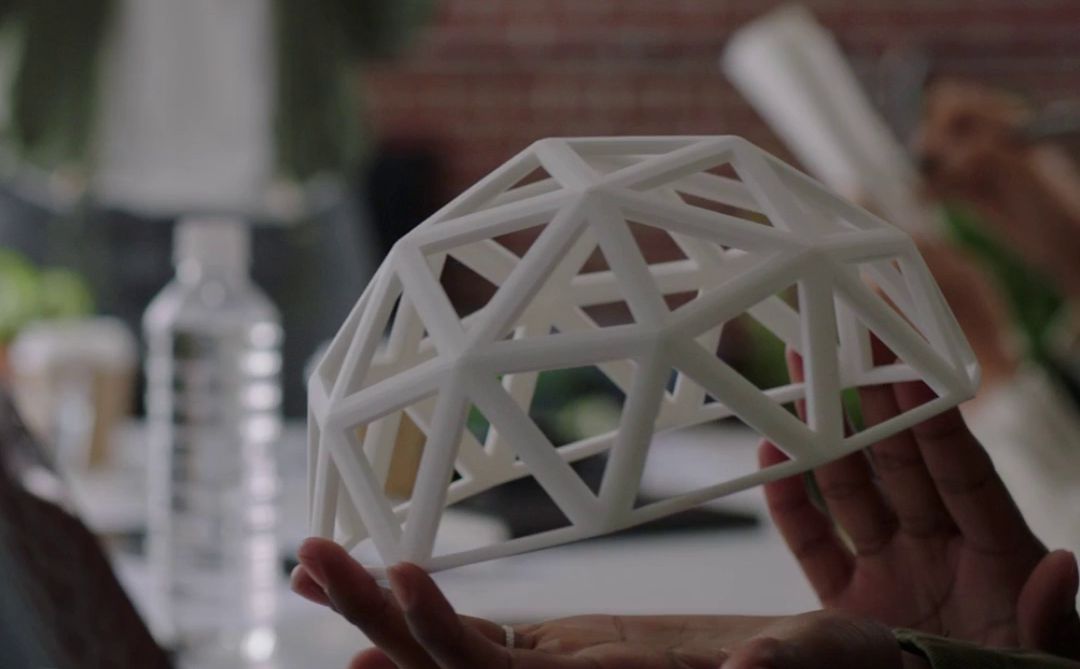
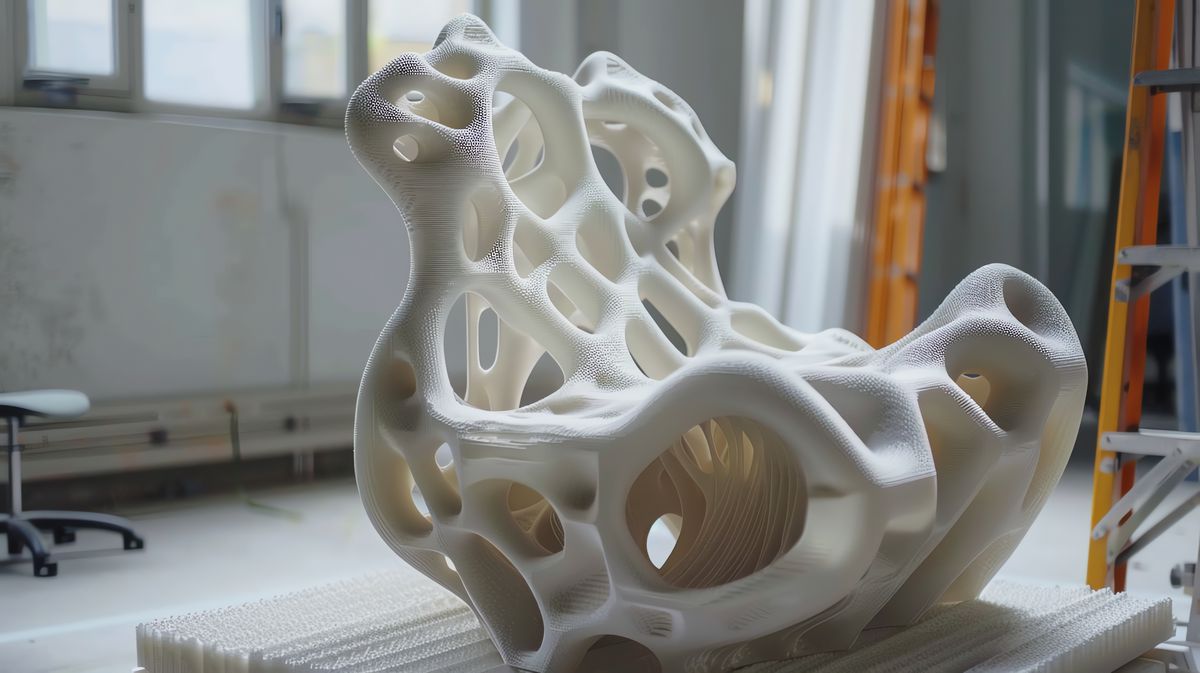
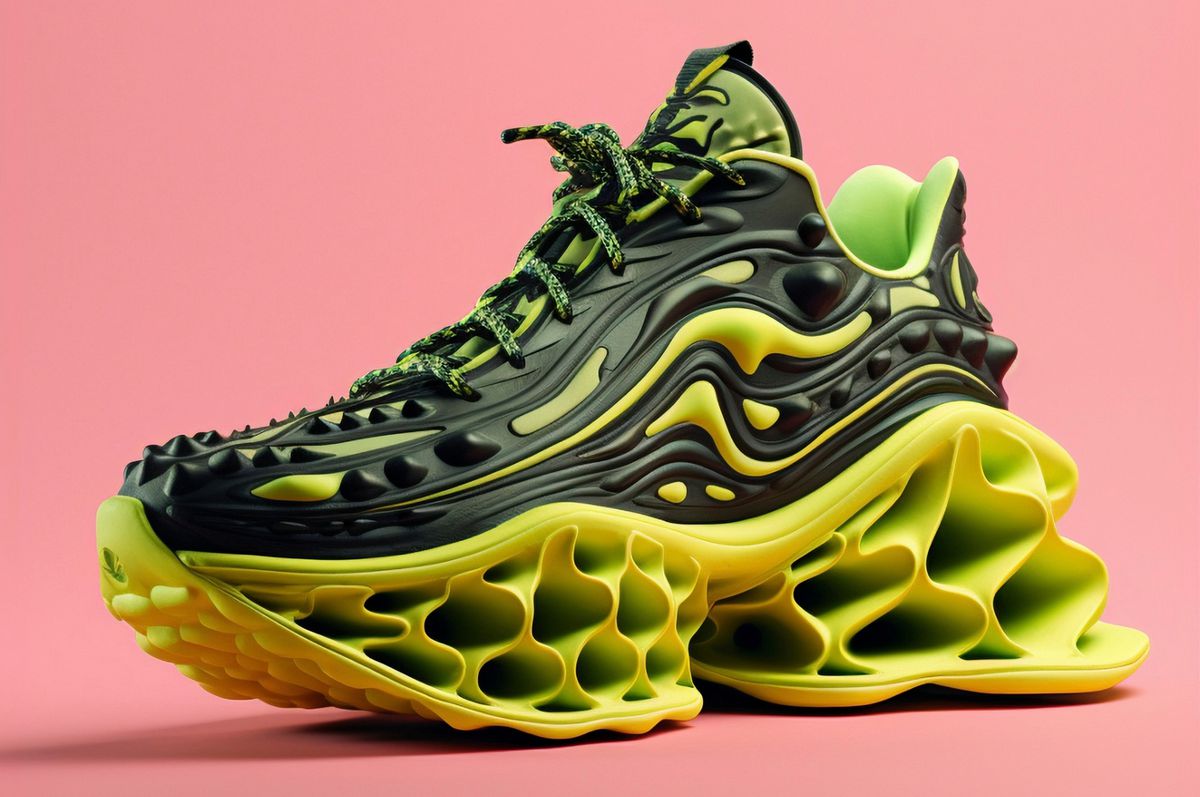
- Complex shapes and textures: 3D printing enables geometries impossible to achieve with traditional manufacturing methods. You can create lattice structures, complex surface patterns, or organic shapes directly integrated into the frame.
- Lightweight and durability: The most commonly used material is polyamide (Nylon). This plastic is prized for its lightness, flexibility, and toughness, making it an excellent choice for frames that are both comfortable and long-lasting.
- Aesthetic customization: Beyond shape, customers can choose the color and texture of their frames, or have their name or personal patterns printed directly onto them, creating a truly unique object.
Accessibility and Sustainability
- Easier repairs: 3D printing allows replacement parts for a broken frame to be reproduced—whether it's an arm, bridge, or hinge. This extends the life of your glasses and means you won't have to buy an entire new pair for a minor break.
- Reduced environmental impact: Additive manufacturing produces less waste than traditional subtractive fabrication because it doesn't remove material. Additionally, on-demand production reduces overproduction and waste.
In conclusion, 3D printing is transforming the eyewear market by shifting from mass production logic to mass customization. Thanks to this technology, the future of optics is already here, with eyewear that's more comfortable, more aesthetic, and more sustainable.