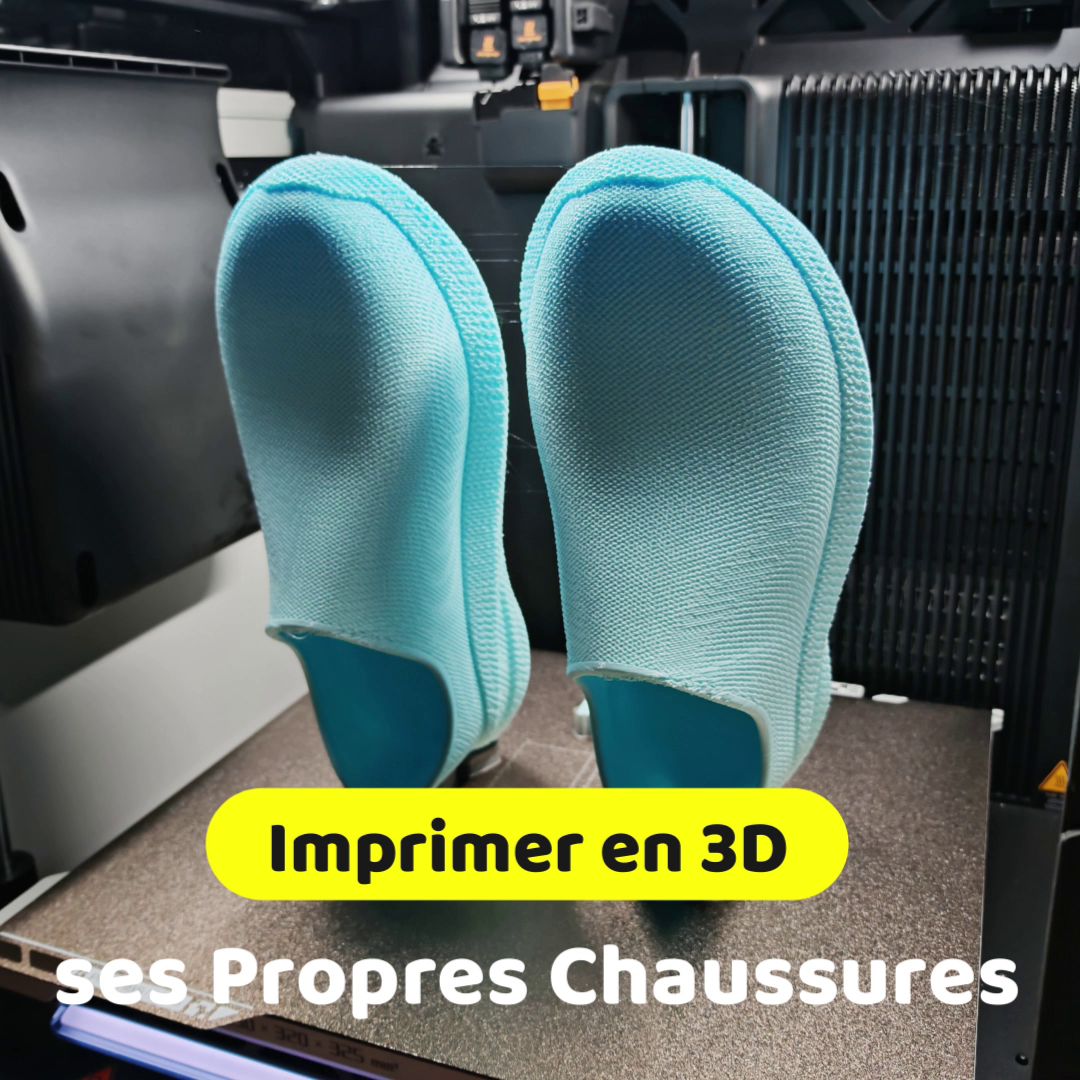
3D Printing and Shoes: A Giant Step Toward Customization and Performance
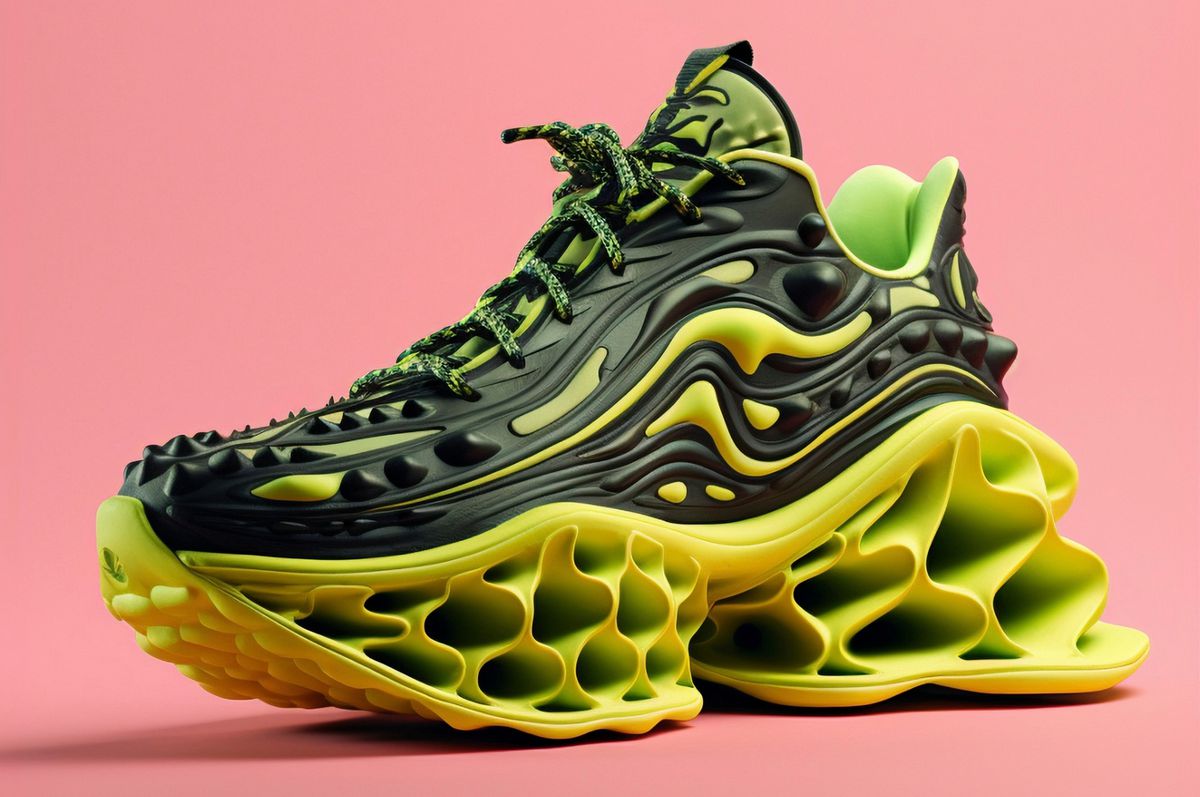
The footwear industry, with its centuries of craftsmanship and mass production chains, is undergoing a major transformation. Once dominated by complex molding and assembly techniques, it is now revolutionized by the emergence of 3D printing. This technology doesn't just optimize existing processes; it opens the door to an era of extreme personalization, unprecedented performance innovation and design freedom, redefining how we design, manufacture, and wear shoes.
Far from being a mere gadget, 3D printing is becoming an essential tool, from the research laboratory to the elite athlete's feet, and to the consumer seeking custom comfort.
Why 3D Printing is Taking the Shoe Industry by Storm
Integrating additive manufacturing into the footwear sector delivers decisive advantages that address current and future industry challenges:
- Ultra-Fast Prototyping and Agile Iteration: Designing a shoe can be lengthy and expensive. 3D printing allows midsoles, shells, eyelets, or upper components to be produced in just hours. Designers can quickly test dozens of variations, validate cushioning, flexibility, and stability concepts, and exponentially accelerate product development.
- Personalization and Morphological Adaptation: Every foot is unique. With 3D printing and 3D foot scanning, it's possible to create shoes—or at least key components (insoles, midsoles, heel counters)—perfectly adapted to the wearer's anatomical shape, gait, weight, or even specific conditions, delivering unmatched comfort and support.
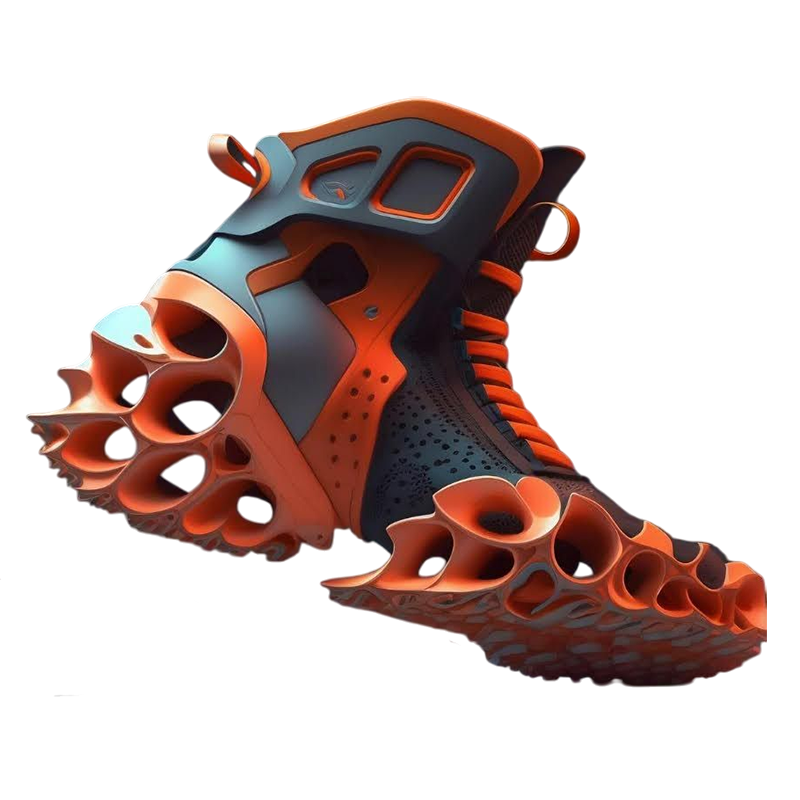
- Complex Geometries and Performance Optimization: Lattice structures, trusses, and honeycomb patterns, impossible to achieve through traditional molding, become possible with 3D printing. These structures can be optimized for specific sole zones to deliver targeted cushioning, precise energy return, better ventilation, or superior grip, dramatically enhancing athletic performance.
- Material Innovation and Multifunctionality: 3D printing enables experimentation with new polymers featuring specific properties (variable flexibility, abrasion resistance, elasticity) and even integration of multiple materials with different densities in a single piece (multi-density cushioning).
- Waste Reduction and Local Production: Additive manufacturing is inherently less material-intensive than subtractive methods. Moreover, it enables on-demand and potentially more localized production, reducing transport, inventory, and overall carbon footprint.
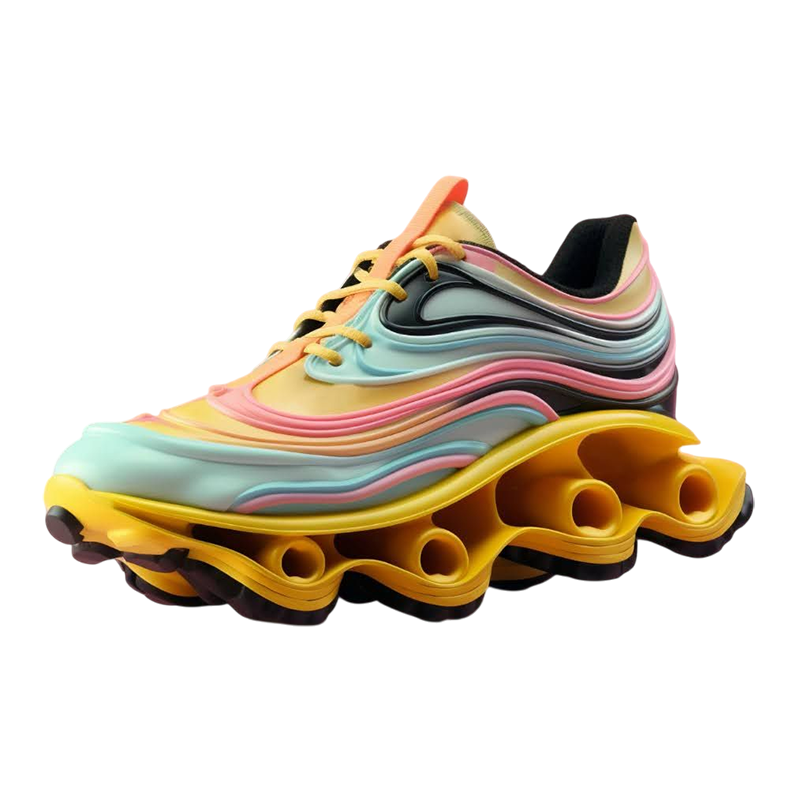
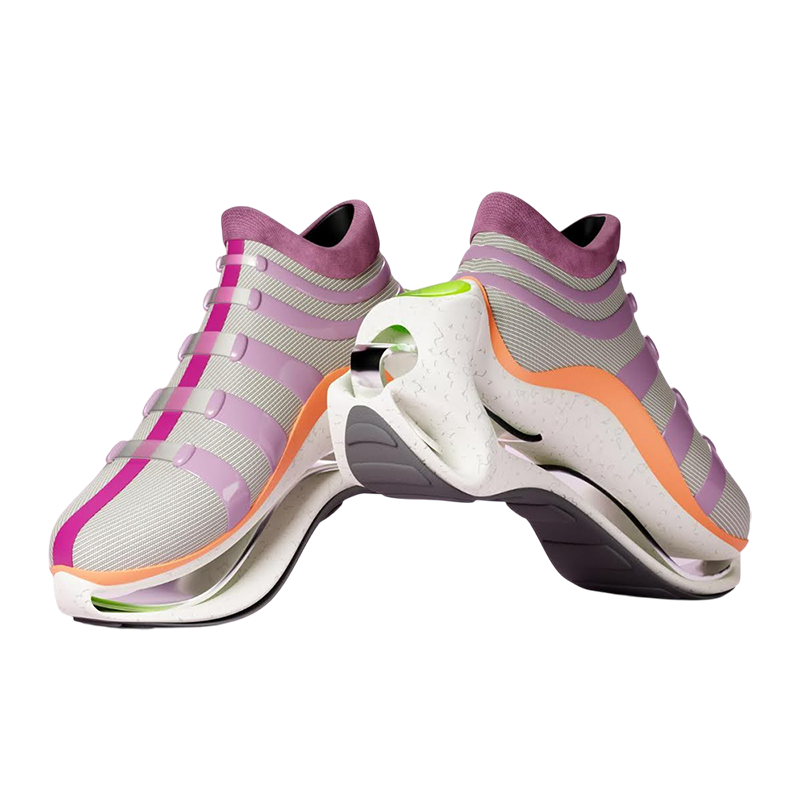
Real-World Applications of 3D Printing in the Footwear Industry:
The impact of 3D printing is already visible across multiple areas:
- High-Performance Midsoles: This is arguably where 3D printing has made its greatest breakthrough. Brands like Adidas (Futurecraft 4D) and New Balance (TripleCell) use 3D-printed lattice structures to create midsoles delivering unique cushioning and energy return impossible to achieve with traditional foams.
- Custom Orthotic Insoles: Based on gait analysis and 3D foot scans, companies now offer custom-printed orthopedic insoles providing optimal support and comfort for athletes, seniors, or those with musculoskeletal issues.
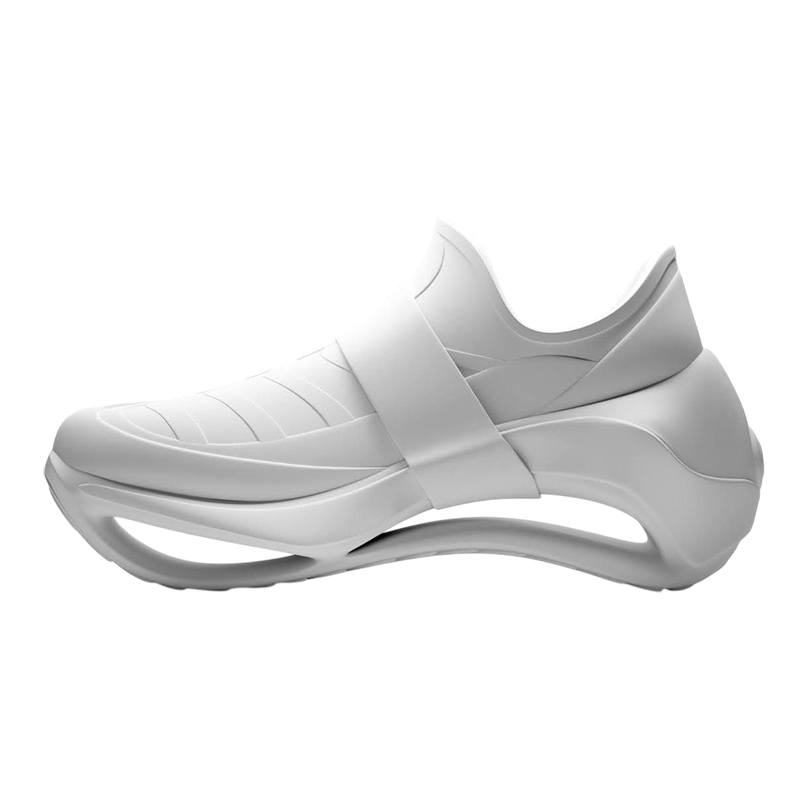
- Innovative Design Prototyping: Before mass production, designers 3D print complete shoe mockups, sole details, shells, or upper components to test aesthetics, fit, and functionality.
- Structural and Functional Components: Specific elements like reinforcements, lace eyelets, protective toe caps, or ventilation features can be printed to optimize the shoe.
- Custom Shoe Lasts: For bespoke shoemakers and custom shoe manufacturers, 3D printing creates personalized shoe forms (lasts) from customer foot scans, guaranteeing perfect fit.
- Limited-Edition and Luxury Footwear: The ability to create extremely complex and unique designs makes 3D printing ideal for high-end shoe production or exclusive capsule collections, often at premium price points.
Challenges and the Future of 3D-Printed Shoes:
Despite these advances, challenges remain, including production speed for mass-market applications (though progress continues), the cost of advanced materials, and the need for post-processing in certain aesthetic aspects.
However, the future of 3D printing in the footwear industry is promising. We can expect to see:
- Fully 3D-printed shoes that adapt perfectly to the foot right out of the box.
- Integration of smart sensors directly into the printed sole for performance tracking.
- Development of new materials with even more advanced performance and sustainability properties.
- Local micro-manufacturing hubs for personalized shoe production, reducing lead times and environmental impact.
3D printing is no longer just a trend in the footwear industry; it's becoming a fundamental driver of innovation, enabling brands to take a decisive step toward personalized performance and a more sustainable future.