3D Printing Revolutionizes Fashion: Where Style Meets Technology
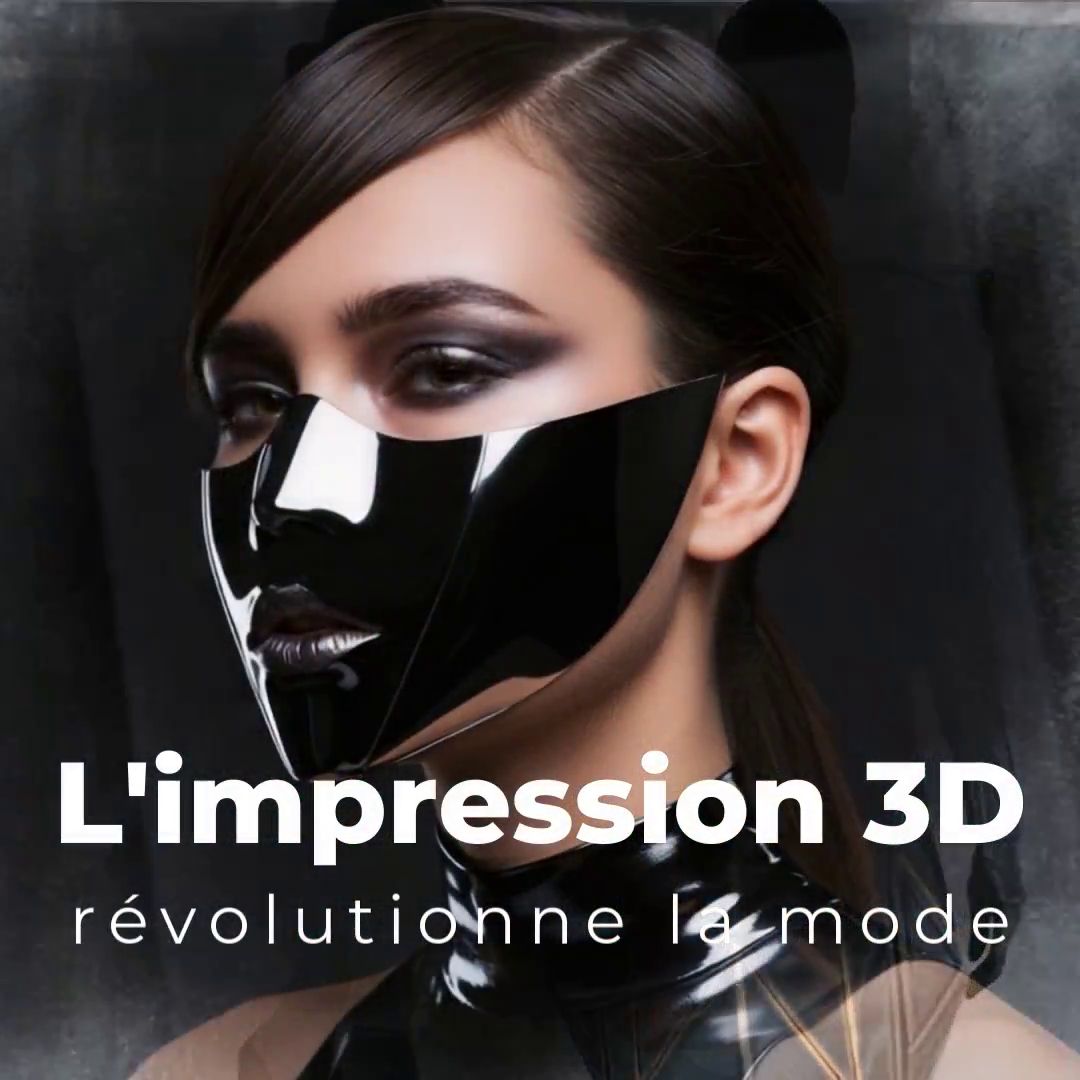
Once considered purely artisanal, fashion is undergoing a radical transformation thanks to 3D printing technology. Far from being a simple novelty, this technology is redefining how we design, manufacture, and consume clothing and accessories. 3D printing opens the door to a new era where creativity is unleashed, personalization is total, and production is more sustainable.
High Fashion and Exceptional Creation

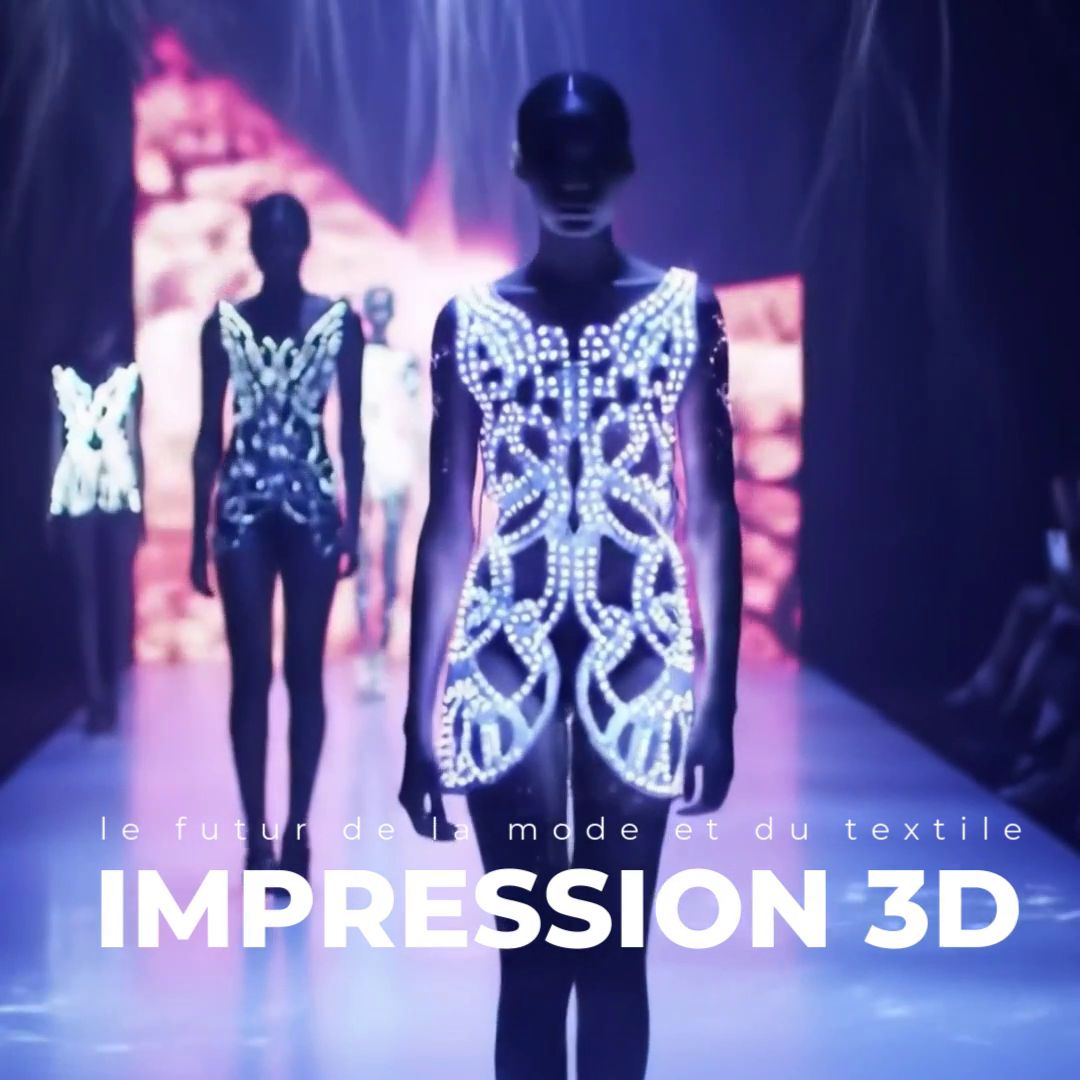
It's on the runway where 3D printing made its most spectacular debut. Visionary designers have pushed the boundaries of textile design to create architectural pieces.
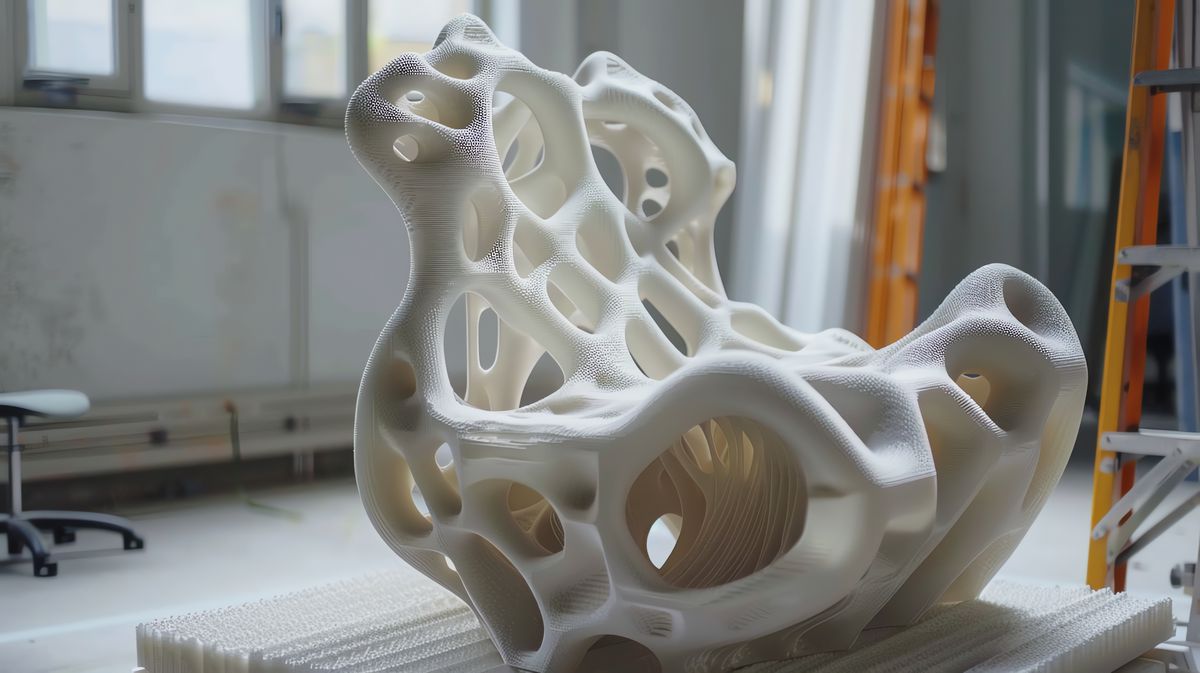
- Impossible shapes: 3D printing makes it possible to design complex structures, delicate meshes, and futuristic geometries that would be impossible to create using traditional sewing methods. Designer Iris van Herpen, for example, is globally recognized for her sculptural dresses that seem straight out of another world.
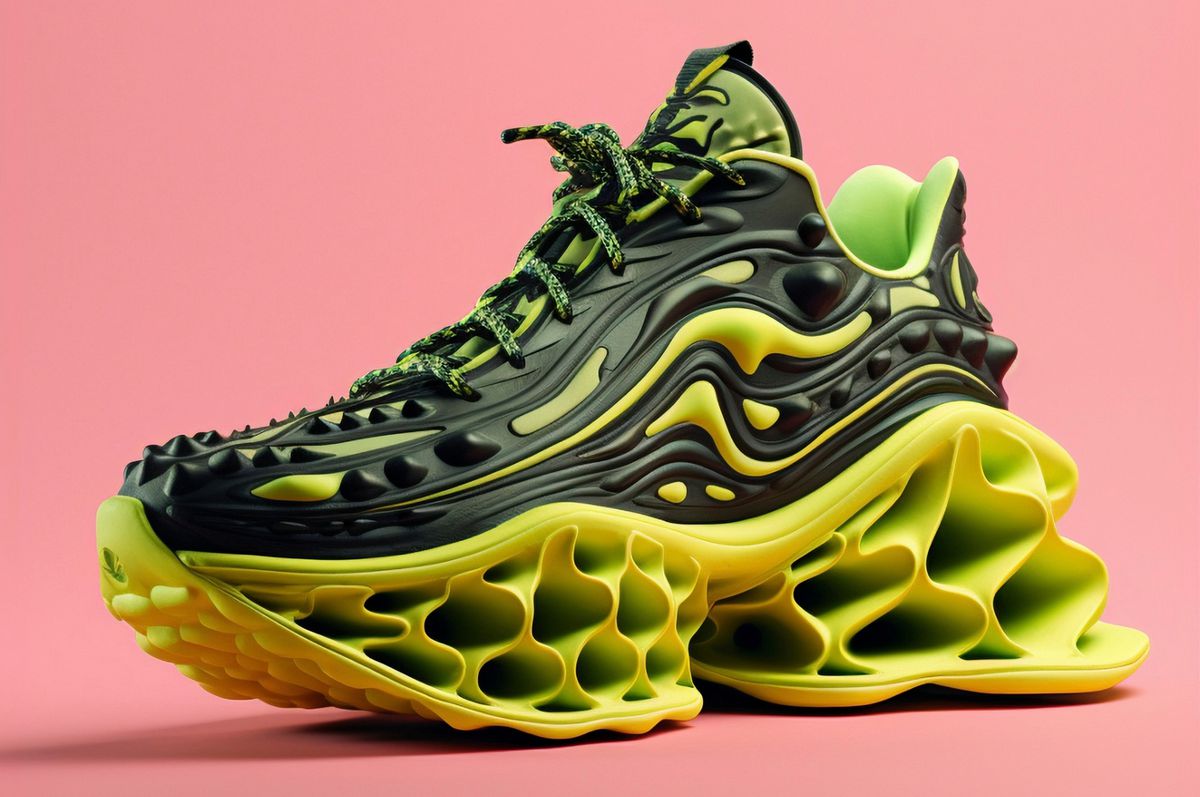
- Unique accessories: Beyond clothing, the technology is used for high-end accessories: intricate masks, shoes with unprecedented forms, or jewelry with incredibly fine details.
Personalization and Custom Tailoring
The future of fashion is no longer one-size-fits-all, but perfect fit. 3D printing makes custom tailoring accessible to everyone.
- Absolute comfort: Thanks to 3D body scanning, it's now possible to create clothing or shoes that perfectly conform to each individual's body shape, ensuring unmatched comfort and precise fit.
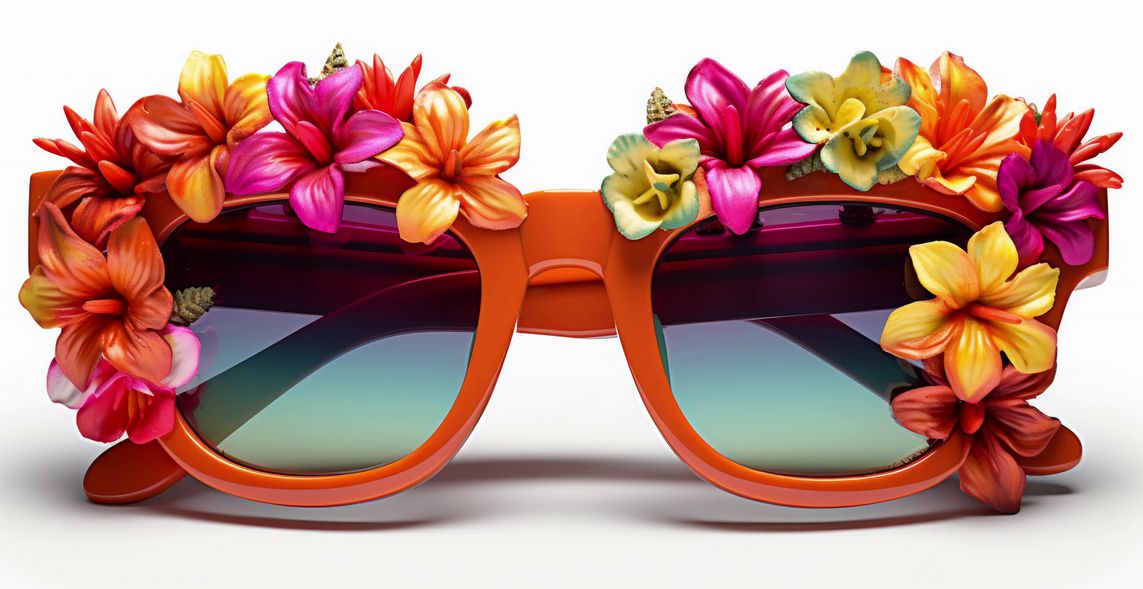
- Personalized accessories: You can now design shoes, handbags, glasses, belt buckles, or buttons custom-made, with patterns, colors, and shapes chosen by the customer. It's a way to make every object truly unique.
Materials and Sustainability: Responsible Fashion
3D printing isn't just a creative advantage—it's also a step toward a more ethical and eco-conscious industry.
- Innovative materials: The development of new flexible filaments, like TPU, makes it possible to create fabrics that are both soft and durable. Moreover, extensive research is underway into biodegradable or recycled materials, such as filaments made from recycled plastic.
- Less waste: Additive manufacturing produces only the material needed for the object, significantly reducing waste compared to traditional fabric cutting.
- On-demand production: 3D printing allows products to be manufactured only when ordered, eliminating overproduction and unsold inventory—a major issue in the fashion industry.
Practical and Accessible Applications
3D printing isn't reserved for high fashion. It's already being used by independent designers and mainstream brands to create innovative products. From earrings to belts, shoe components to handbags, the technology is becoming democratized and making originality accessible.
The meeting of 3D printing and fashion is a perfect alliance. It enables creating a garment that is at once a unique piece, a technological design object, and a responsible choice. The future of style will undoubtedly be printed.