CoreXY 3D Printers
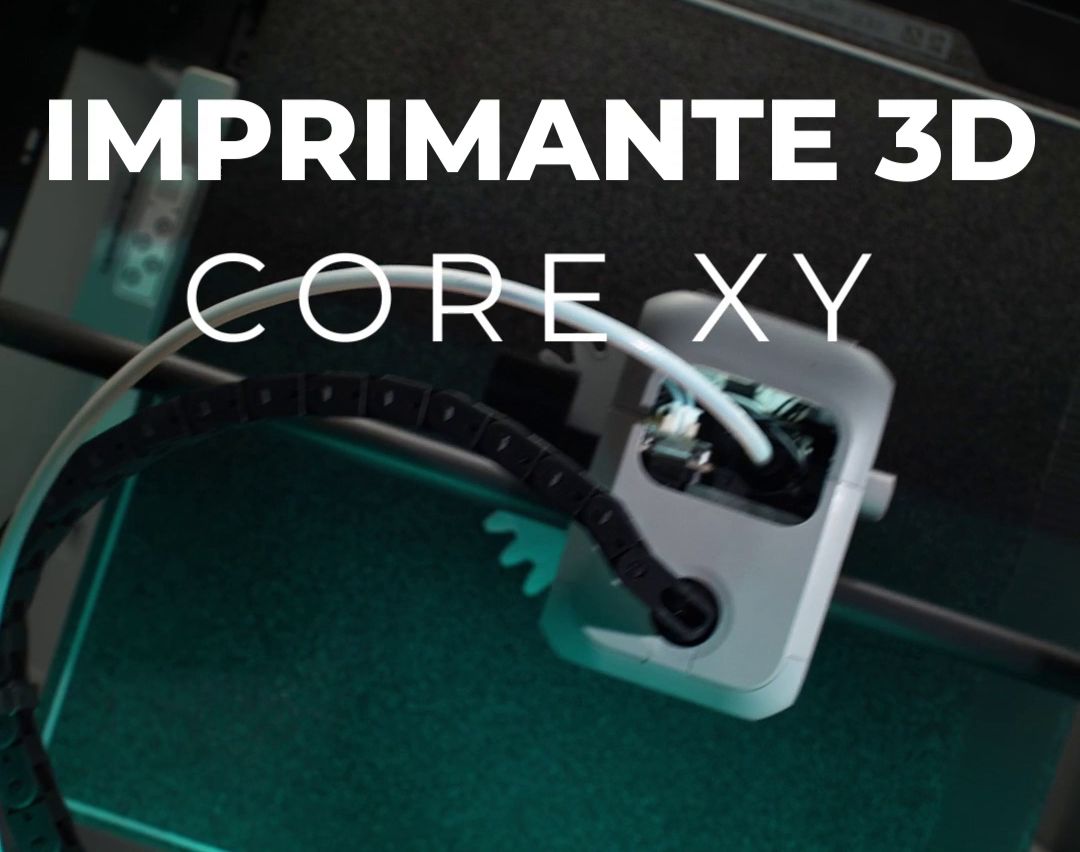
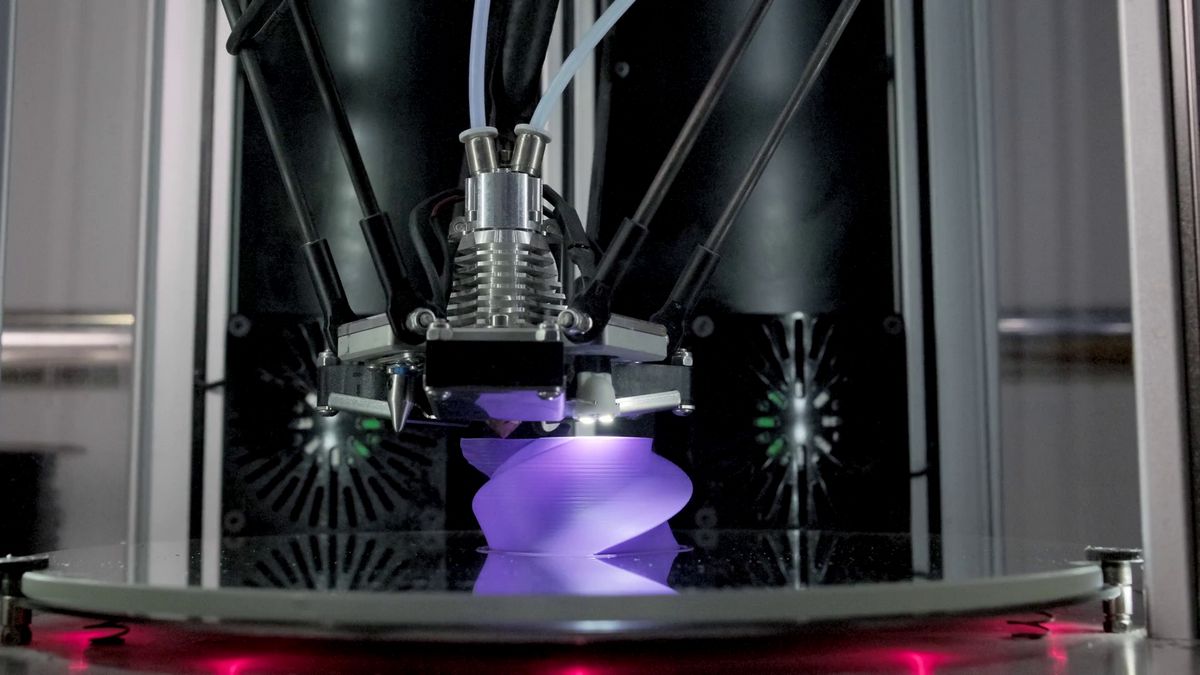
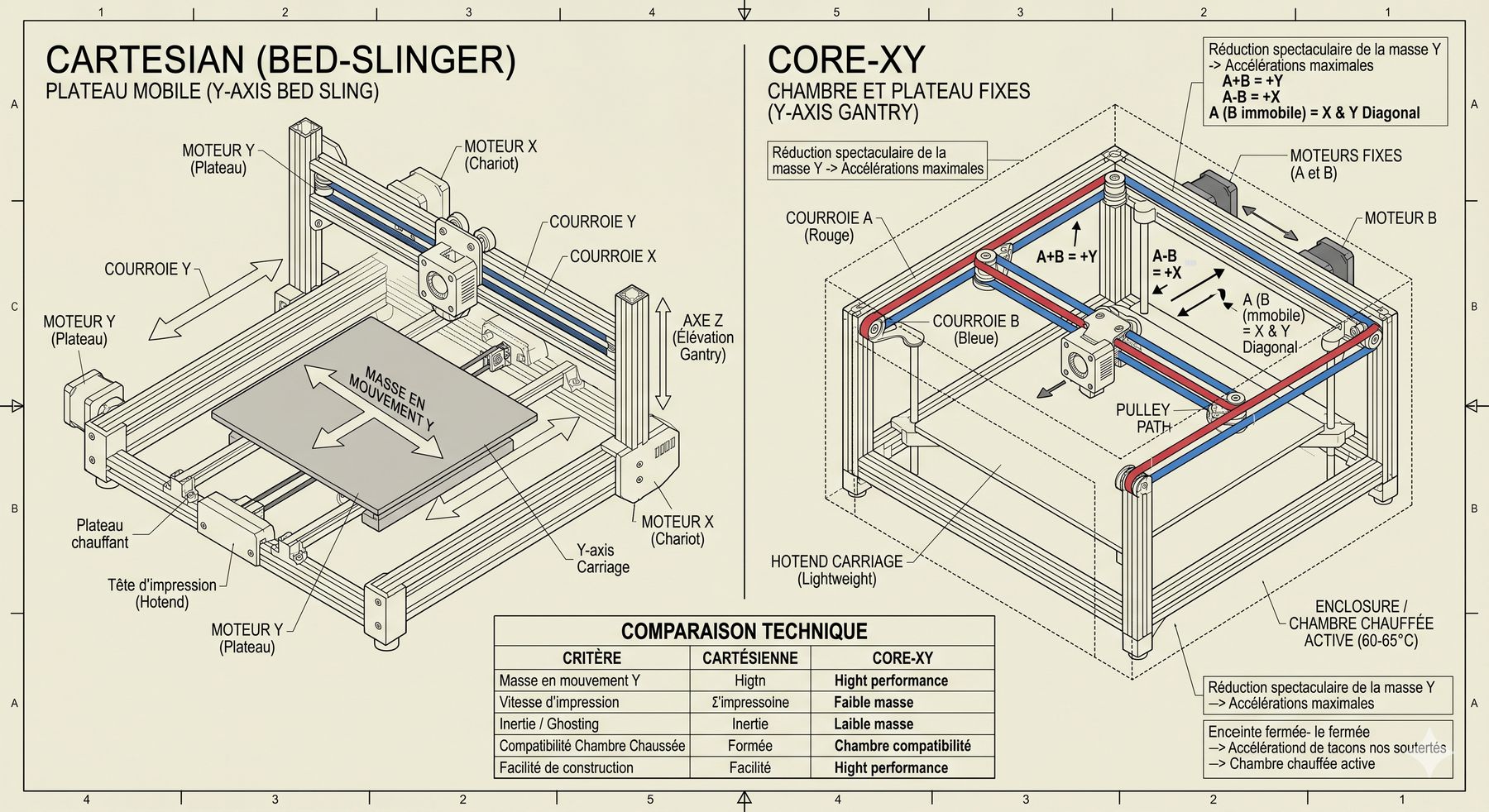
In the world of FDM 3D printing, the CoreXY architecture represents a sophisticated and high-performance approach, delivering a remarkable balance between speed, precision, and stability. Unlike classic Cartesian printers ("bed slingers" like the Ender-3) where the build plate moves back and forth, or Delta printers with their triangular movements, the CoreXY system moves the print head along the X and Y axes using an ingenious belt configuration, all within a fixed and robust frame.
How Does CoreXY Architecture Work?

The fundamental principle of CoreXY lies in the synchronized movement of two motors located at the base of the printer, which control the print head via a unique belt network:
- Static Motors: Both X and Y motors remain fixed, typically positioned at the chassis corners. This is a major advantage because the heaviest components (the motors) aren't moving, which reduces inertia.
- Belt Configuration: The print head is mounted on a carriage that slides along two parallel rails (X and Y axes). A single belt or dual-belt "H" or "Z" system connects this carriage to both motors and idler pulleys.
- Coordinated Movement: To move the head in X, both motors rotate in the same direction. To move it in Y, they rotate in opposite directions. The combination of these movements allows the head to reach any point on the horizontal plane with great agility.
- Z Axis: The Z axis is typically handled by vertical movement of the build plate, which moves up and down to build layers.
This complex yet efficient kinematics is housed in a rigid cubic or parallelepiped frame, which is essential for stability.
Key Advantages of CoreXY Printers
CoreXY printers are valued for several fundamental reasons:
- High Speed: The reduced inertia of the print head (thanks to fixed motors) enables very high accelerations and travel speeds. This translates to significantly shorter print times—a major asset for batch production or large objects.
- Precision and Print Quality: The rigid frame and fixed motor positioning minimize vibrations and "ghosting" (artifacts from movements), resulting in better surface quality and greater dimensional accuracy, even at high speeds.
- Enhanced Stability: The closed and robust chassis of CoreXY printers delivers excellent mechanical stability. Build plate movement is typically limited to the Z axis, reducing horizontal shaking of the printed object.
- Effective Build Volume: For their footprint, CoreXY printers often offer a good ratio of usable build volume, since movement is contained within the frame.
- Ideal for Engineering Materials: Many CoreXY printers are designed with enclosed chambers (heated enclosures) essential for printing materials prone to warping, such as ABS, Nylon, or PC.
Challenges and Evolution
Despite their many advantages, CoreXY printers can present some challenges:
- Assembly/Maintenance Complexity: Belt routing and precise component alignment can be more complex to assemble or maintain than simpler printers, especially for kits.
- Initial Cost: Historically, CoreXY printers were often more expensive due to their sophisticated design and higher-quality components (linear rails, advanced electronics). However, brands like Creality have made this architecture more accessible.
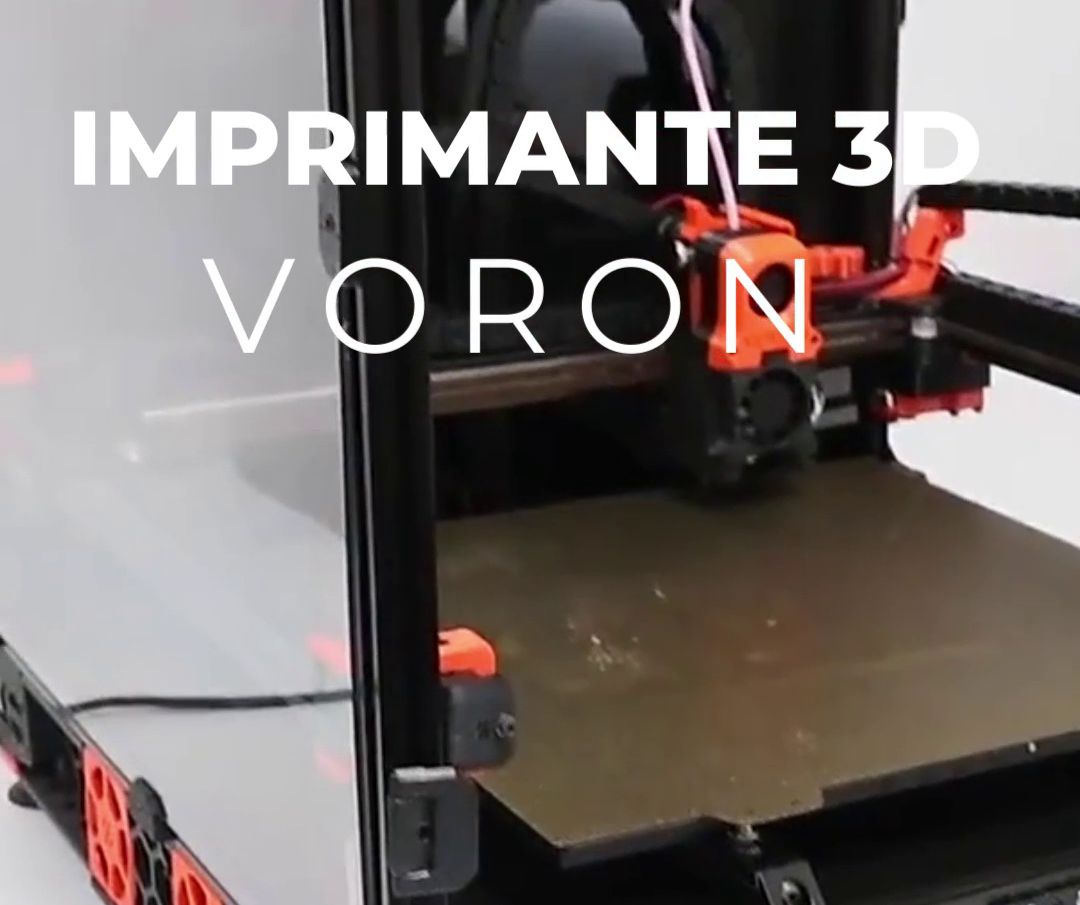
CoreXY architecture has become the standard for high-performance 3D printers. Brands like Voron (open-source DIY projects) have popularized this configuration among enthusiasts, while giants like Bambu Lab (with its X1 and P1 series) and Creality (with its K1 and K2 series) have adopted it for their flagship models focused on speed and reliability.
In short, the CoreXY 3D printer is the go-to choice for those seeking performance without compromise, the ability to quickly print high-quality parts, and the robustness needed for intensive use. It represents the evolution toward more industrial and efficient 3D printing.