3D Printing Life-Size Figurines
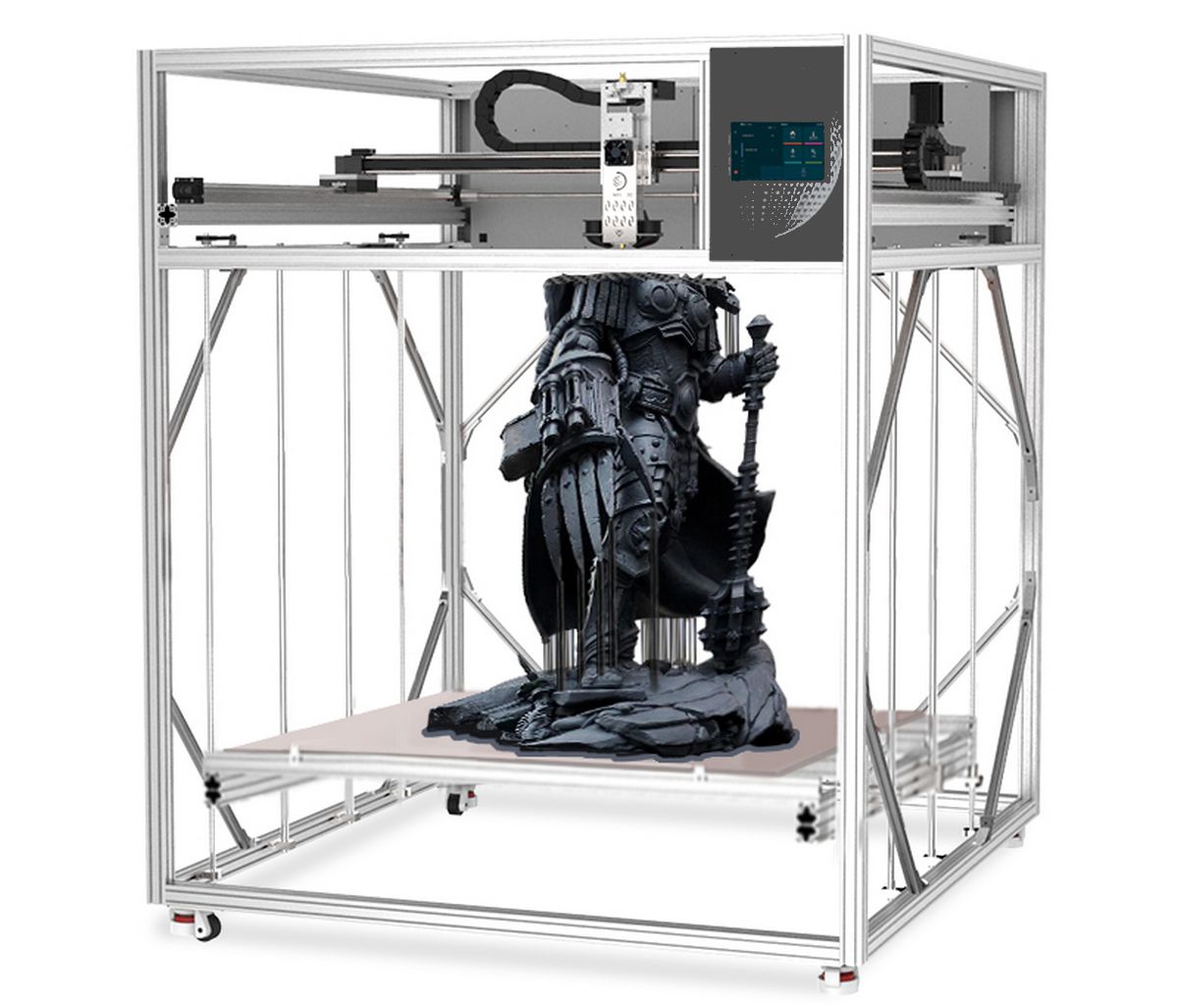
When Reality Surpasses Fiction
Imagine your favorite movie character, your video game hero, or even a perfect replica of yourself—not in miniature, but at 1:1 scale, coming to life before your eyes. What once belonged to science fiction or traditional monumental sculpture is now a tangible reality thanks to life-size 3D printing. This technological feat opens incredible doors for art, marketing, entertainment, and heritage preservation.
Interest in full-size 3D-printed figurines is diverse and growing:
- Spectacular Visual Impact: A life-size figurine instantly captures attention and creates an immersive, memorable experience far beyond what a scale model can offer.
- Marketing and Advertising: From company mascots to brand characters, these creations become powerful communication tools for events, trade shows, retail locations, or advertising campaigns.
- Art and Sculpture: Artists benefit from unlimited creative freedom to realize complex sculptures, large-format installations, or reproduce their digital works with perfect fidelity.
- Museum Curation and Heritage: 3D printing enables the creation of exact replicas of artifacts, fossils, or historical figures for interactive exhibitions without risk to the originals.
- Entertainment and Events: For theme parks, film exhibitions, cosplay events, or entertainment centers, life-size characters bring unmatched immersion.
Technical Challenges: Extraordinary Manufacturing
Creating a life-size figurine through 3D printing comes with significant challenges and requires specialized expertise:
- Print Volume: 3D printers capable of printing an entire person in one go are rare and extremely expensive. It is therefore necessary to segment the 3D model into multiple parts manageable by standard-size printers.
- Print Time: Even with industrial printers, producing large parts takes hours, or even days or weeks for a complete figurine.
- Material Costs: A full-size figurine consumes a considerable quantity of material (plastic, resin), representing significant cost.
- Strength and Stability: Parts must be designed to be sufficiently robust. Often, an internal structure or armature (metal, wood) is integrated into the assembly process to ensure stability and strength of the figurine.
- Large-Scale Precision: Maintaining tight tolerances across large surfaces is a challenge to ensure segments fit together perfectly.
- Assembly: Once parts are printed, assembly is a critical step. This involves gluing, welding, or fastening segments together while ensuring proper alignment and structural integrity of the whole.
- Post-Processing and Finishing: This is often the longest and most critical step for the final result. Layer lines must be hidden through sanding, filling, and primer application. Paint is then applied (often by hand by specialized artists) to bring realism and life to the figurine. Protective varnish is applied for durability.
3D printing opens unexpected doors for grand projects, transforming digital concepts into works of art, marketing tools, or collectible pieces of exceptional presence and impact.