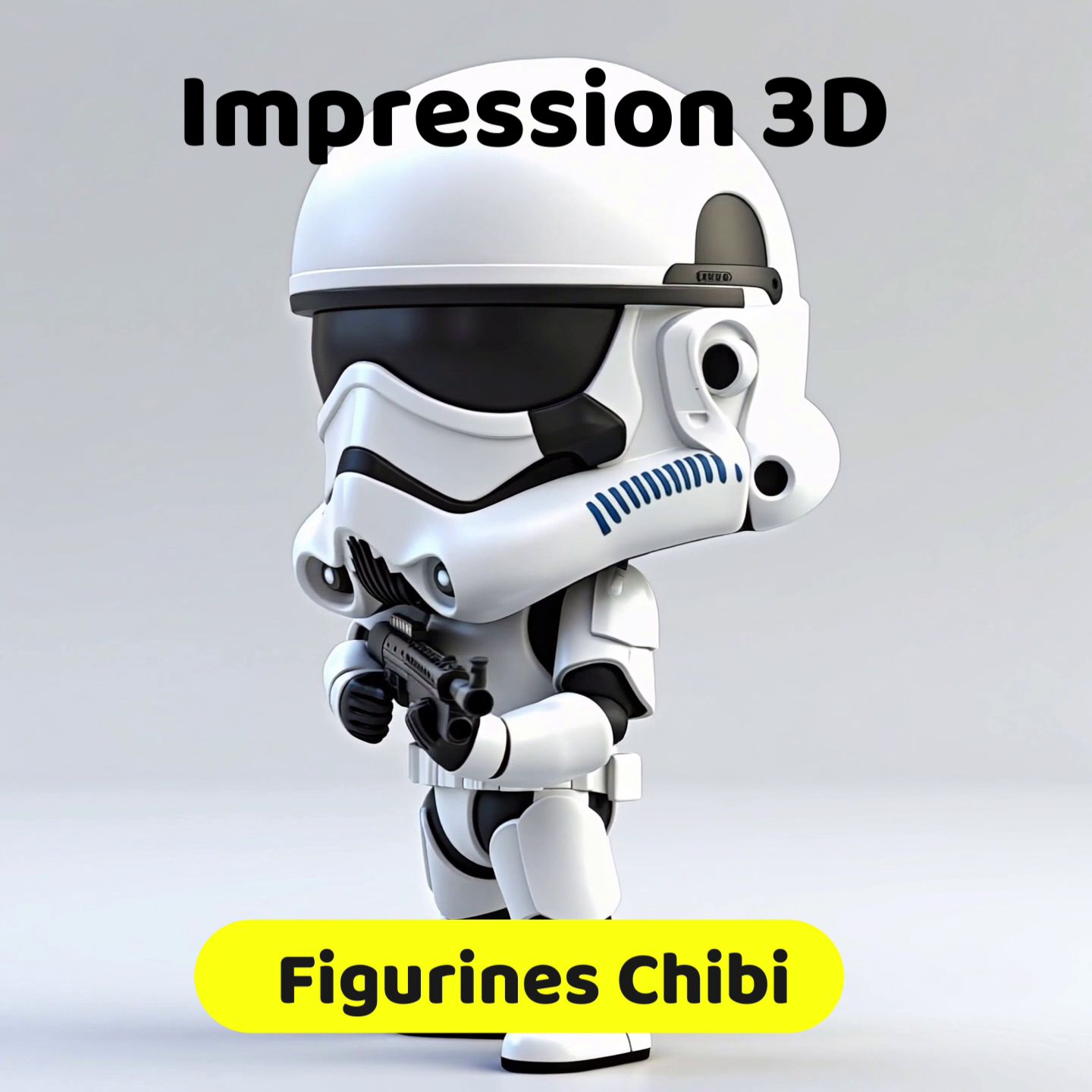
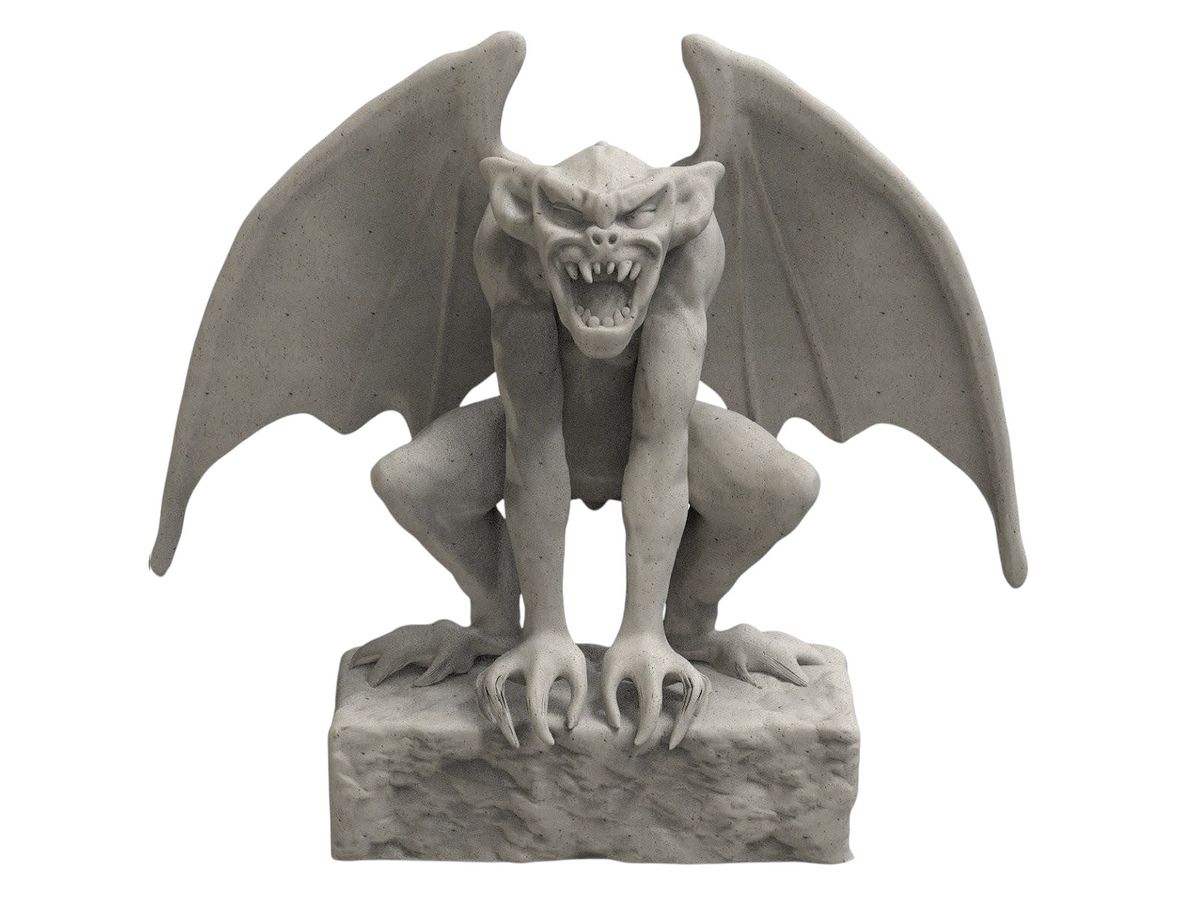
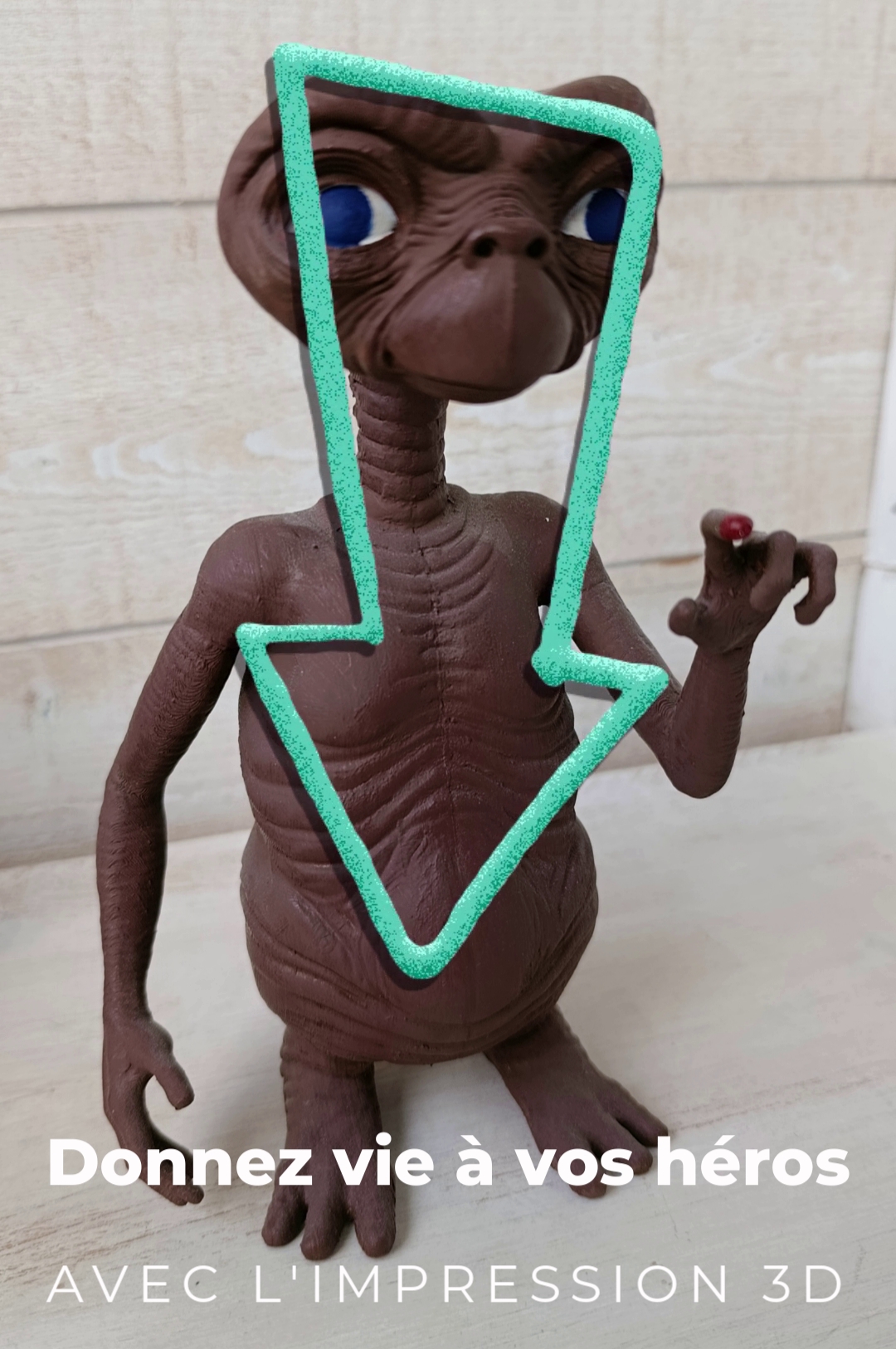
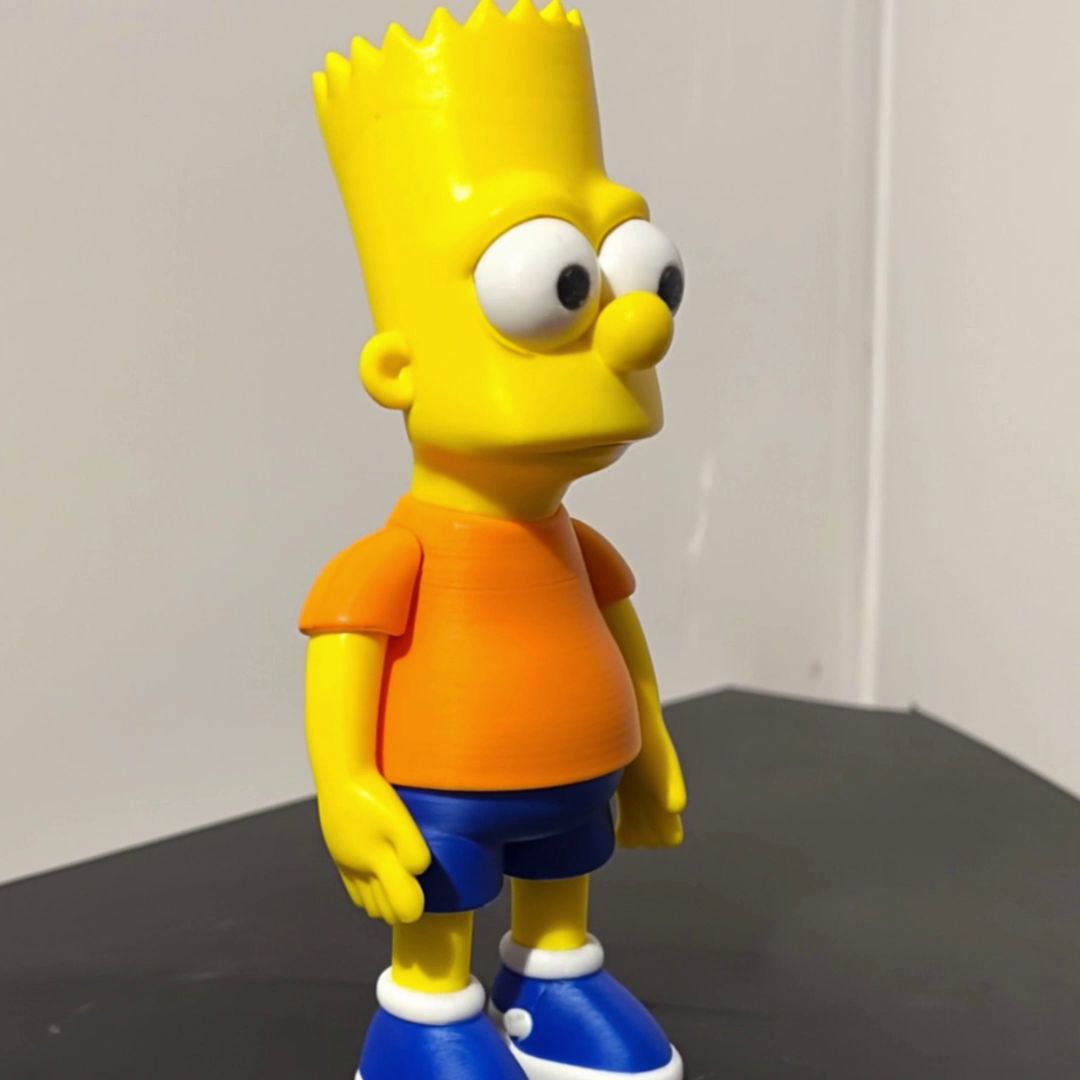
Manga Figurines and 3D Printing: Bringing Your Favorite Characters to Life
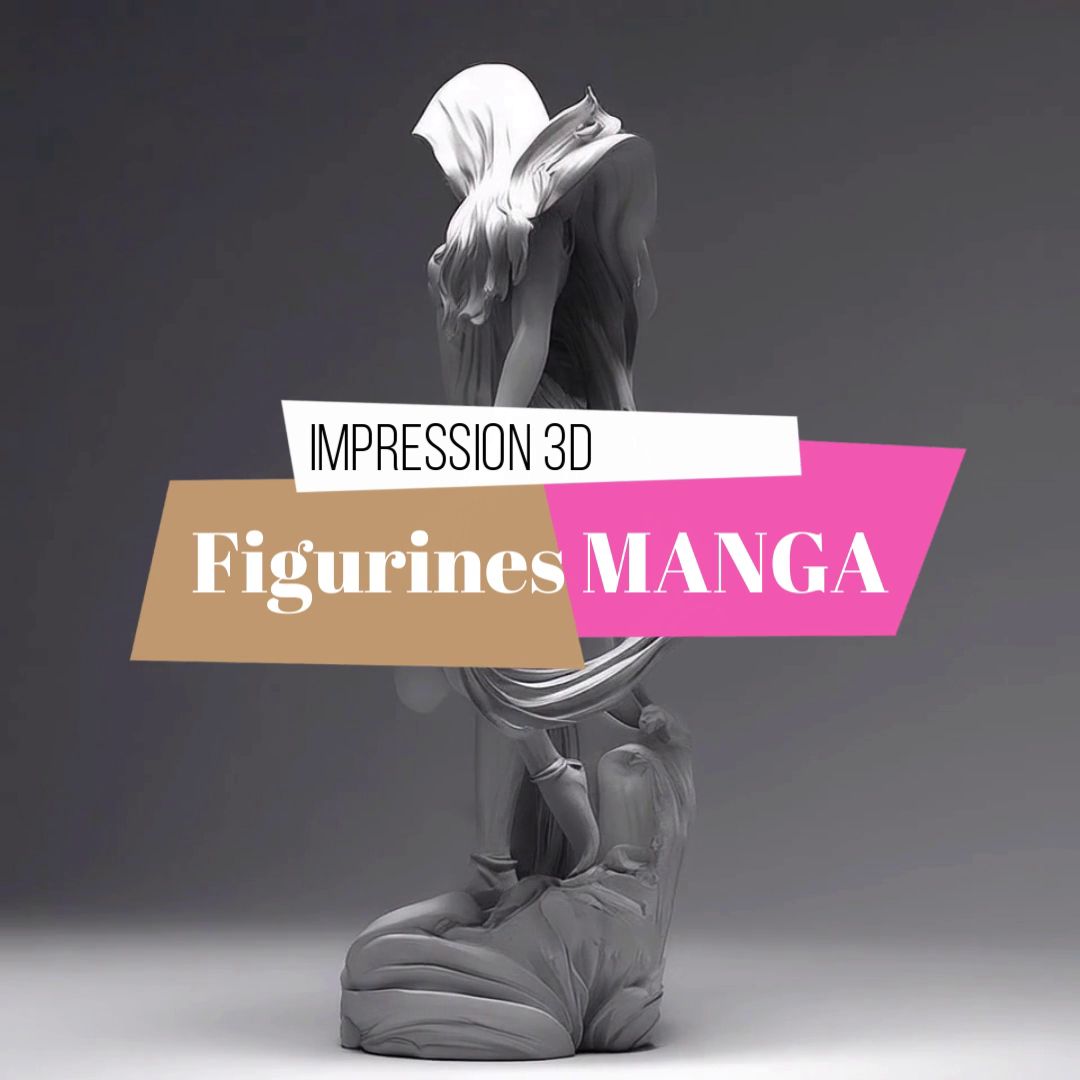
For manga and anime fans, figurines are much more than simple collectibles; they are an extension of your passion. However, official figurines are often rare, expensive, and hard to find. 3D printing has emerged as a revolutionary solution, giving enthusiasts the ability to create detailed replicas of their favorite heroes themselves.

Why is 3D printing ideal for figurines?
- Affordable cost: The price of a commercial figurine can reach hundreds or even thousands of euros. 3D printing, with the cost of materials and electricity, makes creating collectible pieces far more accessible.
- Unlimited customization: You're no longer limited by what's available on the market. You can choose your figurine's size, modify it, add accessories, or even create characters that never had an official figurine.
- The joy of creation: The process, from printing to painting, is an enriching experience that lets you connect uniquely with your favorite universe.
The technical challenge: Filament (FDM) vs. Resin (SLA)
Choosing your printing technology is crucial for figurines, as it determines detail quality.
- Filament printer (FDM):
- Advantages: Affordable, easier to use, and allows printing larger figurines.
- Drawbacks: Layer lines are often visible, and fine details (like hair or faces) can be less precise.
- Resin printer (SLA/DLP):
- Advantages: The ideal solution for figurines. It delivers exceptional detail, smooth surfaces, and perfect finishes, making it essential for facial expressions or complex elements.
- Drawbacks: More expensive to purchase and operate (resin), and build platform size is smaller.
Where to find models?
- File-sharing platforms: Sites like Thingiverse and Printables are packed with free figurine models created by the community. Check out our article: "Where to Find Free 3D STL Files for 3D Printing? Top Platforms"
- Independent artists: Many digital artists specializing in figurines sell high-quality 3D models on platforms like Cults3D or Patreon. These models, often more detailed and intricate, are perfect for discerning collectors.
- Personal creation: The most passionate can learn to sculpt their own models with software like Blender or ZBrush, bringing 100% original ideas to life.
Post-processing: the artist's finishing touch
Once printing is done, the work is just beginning. Post-processing is the step that transforms a simple object into a true work of art. It involves removing supports, sanding out flaws, and then, for the purists, hand-painting the figurine. This step brings the character's colors, shadows, and expressions to life, making your figurine truly one-of-a-kind.
3D printing has democratized figurine collecting, turning every fan into a potential creator. It combines the pleasure of technology, the satisfaction of making, and the joy of owning an object that connects you directly to your passion.