Why 3D Printing Is a Strategic Asset in Visual Communication
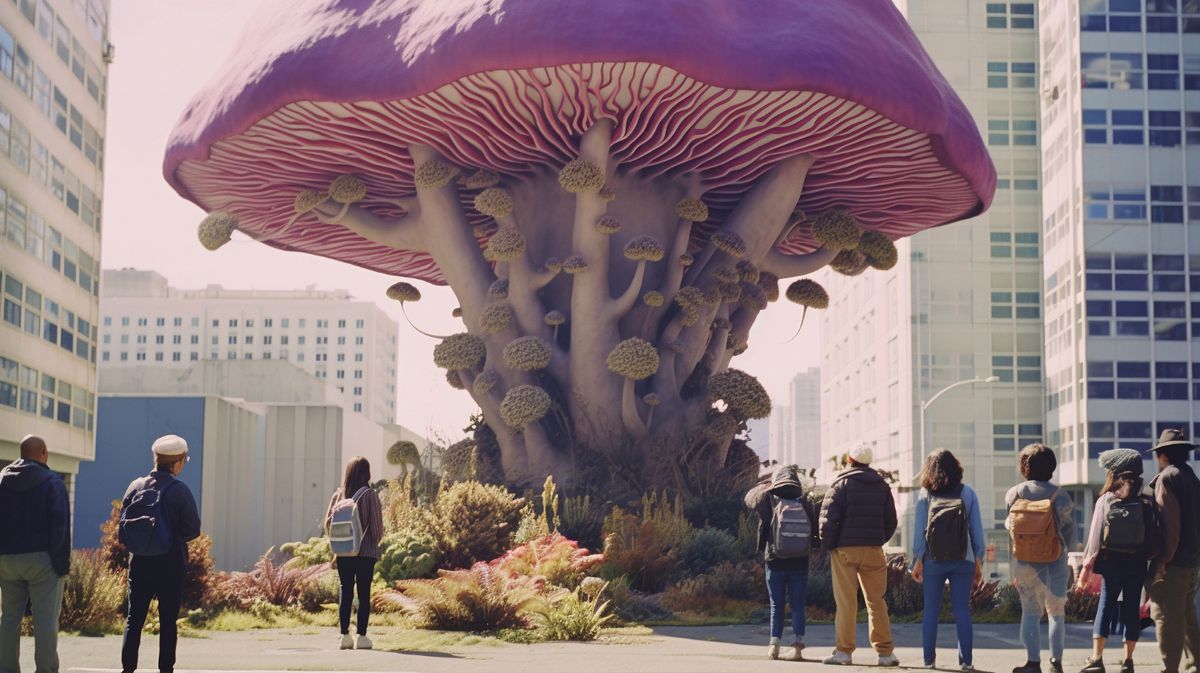
Visual communication is the art of conveying a message, idea, or information through images and design. Whether it's advertising, marketing, signage, or exhibition design, the goal is always to capture attention and make a lasting impression. Historically limited to 2D media (posters, screens) or complex handcrafted production, visual communication has found in 3D printing a revolutionary ally, capable of adding a dimension of tangibility, impact, and personalization never before possible.
3D printing does more than reproduce shapes; it brings the message to life, makes it tangible and memorable, transforming how brands and ideas interact with their audience.
Why Is 3D Printing a Strategic Asset in Visual Communication?
Integrating additive manufacturing offers decisive advantages for making messages more impactful:
- From Virtual to Real: The Tangibility of the Message: The human eye is accustomed to images on screens. A 3D object you can touch, feel (sometimes) and rotate from every angle creates a far richer and more memorable multisensory experience. It establishes a deeper connection and an unmatched sense of realism.
- Increased Visual Impact and Memorability: A raised element, a brand sculpture, or a detailed model immediately stands out in an environment saturated with flat visual stimuli. The unique and often "custom" nature of 3D-printed objects makes them more memorable and strengthens brand or message identity.
- Unlimited Personalization and Creativity: 3D printing offers total design freedom. It allows creation of complex shapes, specific textures, and unique designs that would be impossible or too costly with traditional methods. Each piece can be precisely tailored to the concept, target audience, or exhibition space.
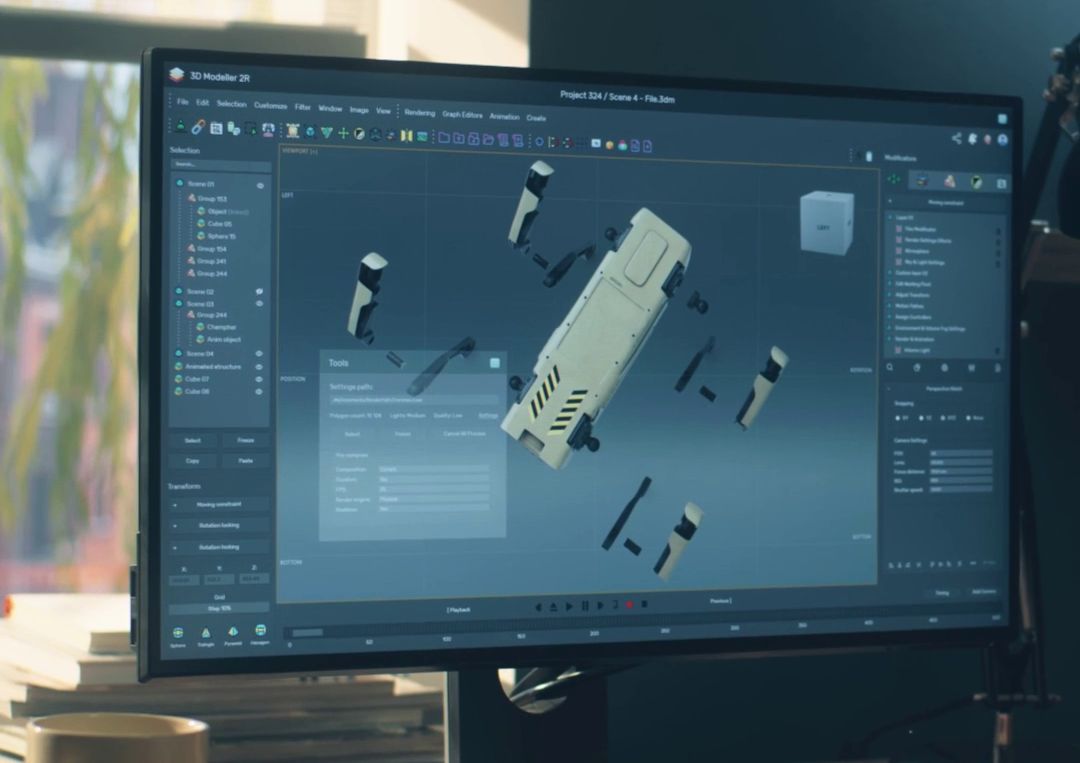
- Rapid Prototyping for Physical Concepts: For advertising agencies or product designers, 3D printing allows quick materialization of packaging concepts, displays, or promotional objects. It's easy to test ergonomics, aesthetics, and visual impact before committing to mass production.
- Enhanced Brand Storytelling: A 3D object can physically embody a brand's values, history, or innovation. It's a powerful narrative tool that allows you to tell a story in a more immersive and concrete way.
Key Applications of 3D Printing in Visual Communication:
-
Advertising and Marketing:
- Promotional Objects and Merchandise: Creation of unique gadgets or corporate gifts personalized with logos or products, far more impactful than generic pens.
- POP (Point of Purchase) and Displays: Design of display stands, product supports, enlarged product replicas or relief logos to grab attention in-store.
- Product Models and Packaging: Production of ultra-realistic prototypes of new products or their packaging for client presentations, trade shows, or market research.
- Innovative Advertising Campaigns: Integration of 3D elements into posters or billboards to create surprise and volume effects.
-
Events, Trade Shows, and Exhibitions:
- Stand Design: Manufacturing custom stand elements: 3D logos, textured decorative panels, design accessories, or interactive supports.
- Thematic Accessories and Props: Creation of full-size objects or complex details for immersive settings, photo booths, or artistic installations.
- Custom Signage: Design of 3D letters, pictograms, or unique directional elements that reinforce the event's visual identity.
-
Retail Design and Merchandising:
- Attractive Displays: Creation of artistic and innovative decorative elements for window displays, capturing attention and telling a product story.
- Custom Mannequins or Supports: Manufacturing mannequin parts or supports tailored to specific products (jewelry, shoes, accessories).
- In-Store Immersive Experiences: Installation of sculptural or interactive elements that transform retail space into a unique experience.
-
Audiovisual (Film, TV, Theater):
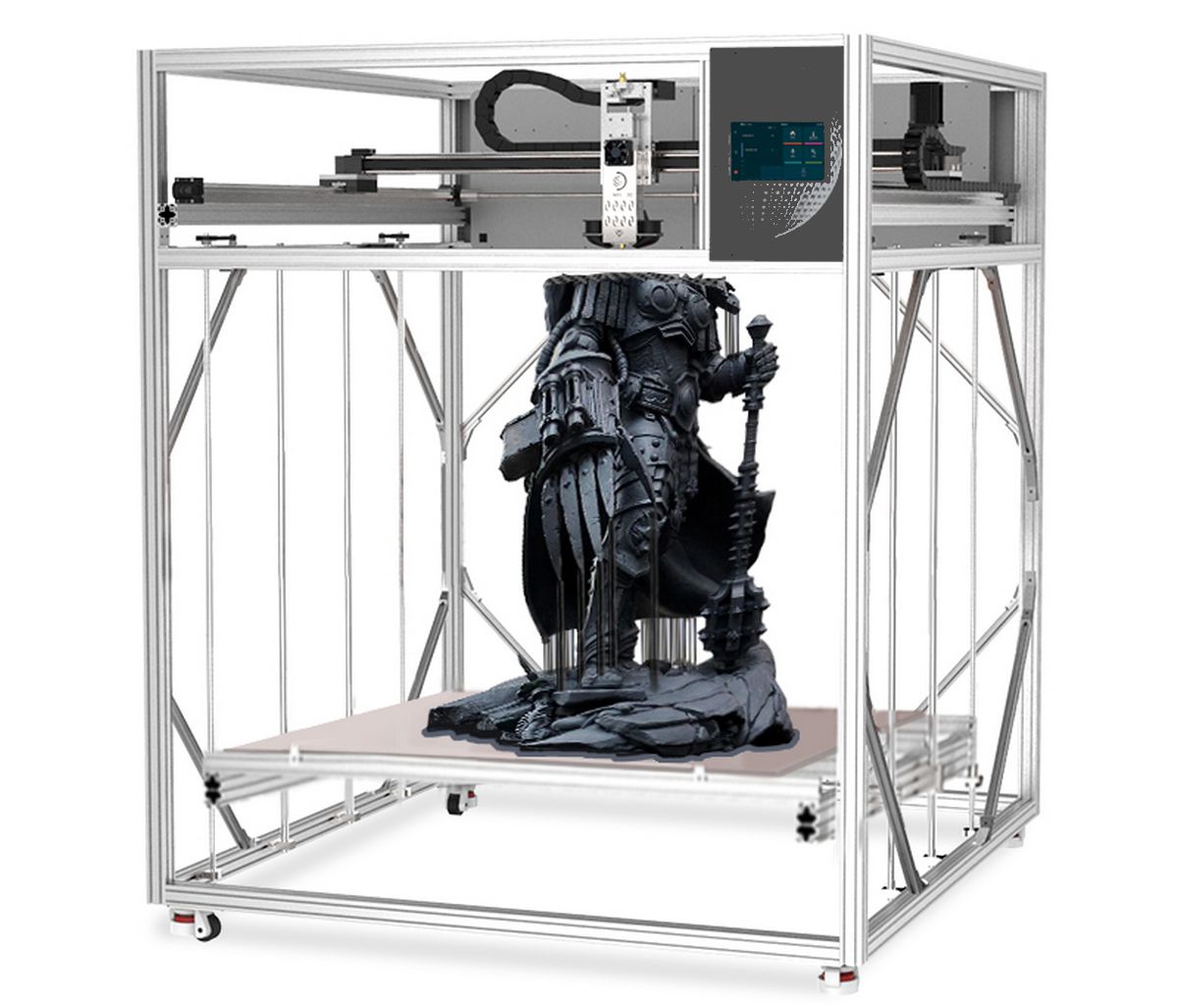
- Props and Set Pieces: Fast and cost-effective production of object replicas, props, or complex scenery elements (fantasy weapons, costume elements, city models).
- Special Effects: Creation of models for practical visual effects or as a base for digital modeling.
-
Museum Design and Education:
- Tactile Models: Reproduction of artworks, fossils, or historical objects for visually impaired audiences or educational purposes.
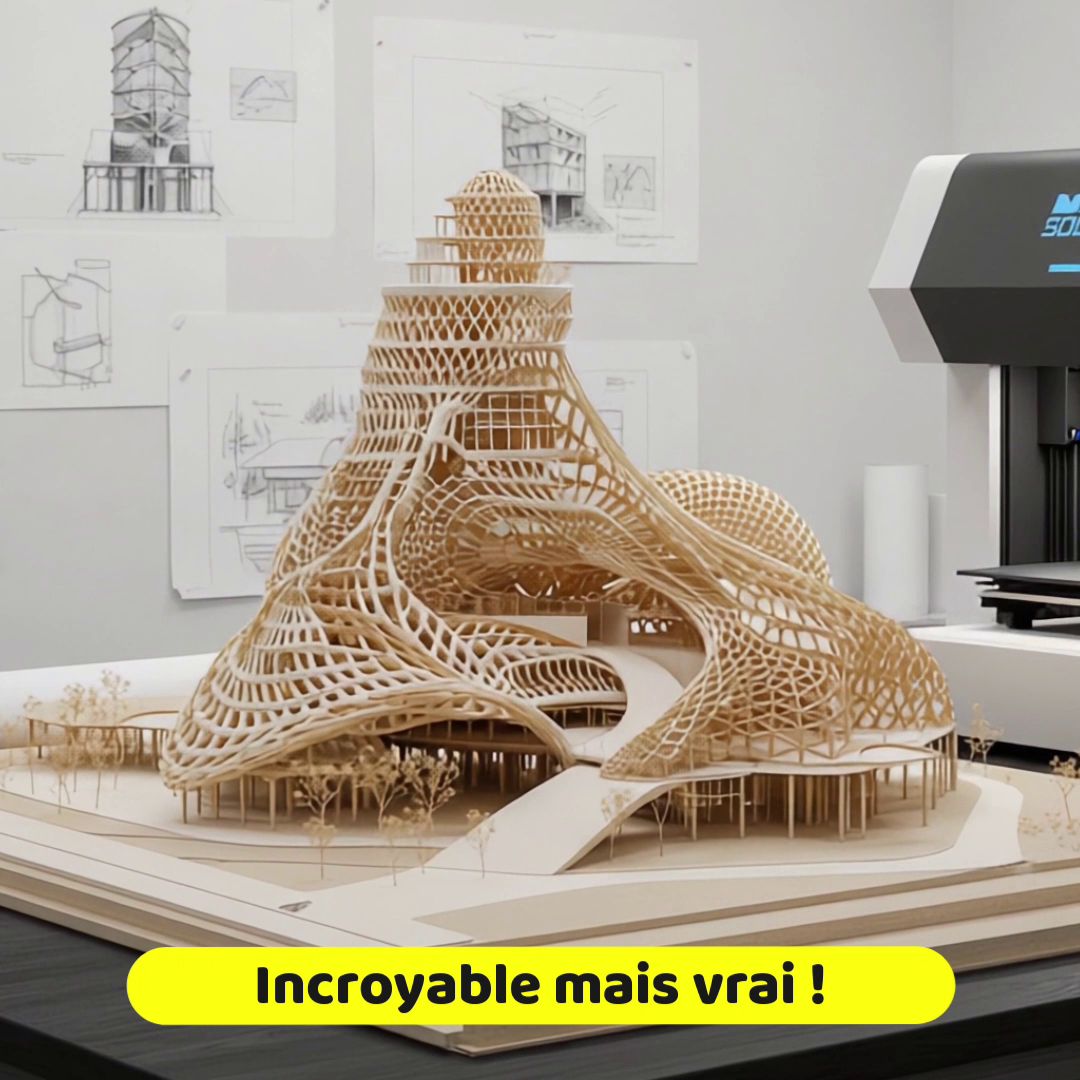
- Detailed Dioramas: Manufacturing precise components for historical or scientific reconstructions.
3D printing is far more than a simple machine; it's a creative workshop at the service of your message. It frees you from two-dimensional limitations and delivers a richer, more engaging, and undeniably more memorable brand experience. In a world where attention is scarce, the ability to make a message tangible and three-dimensional is an invaluable asset for any visual communication strategy.