3D Printing Chibi Figurines
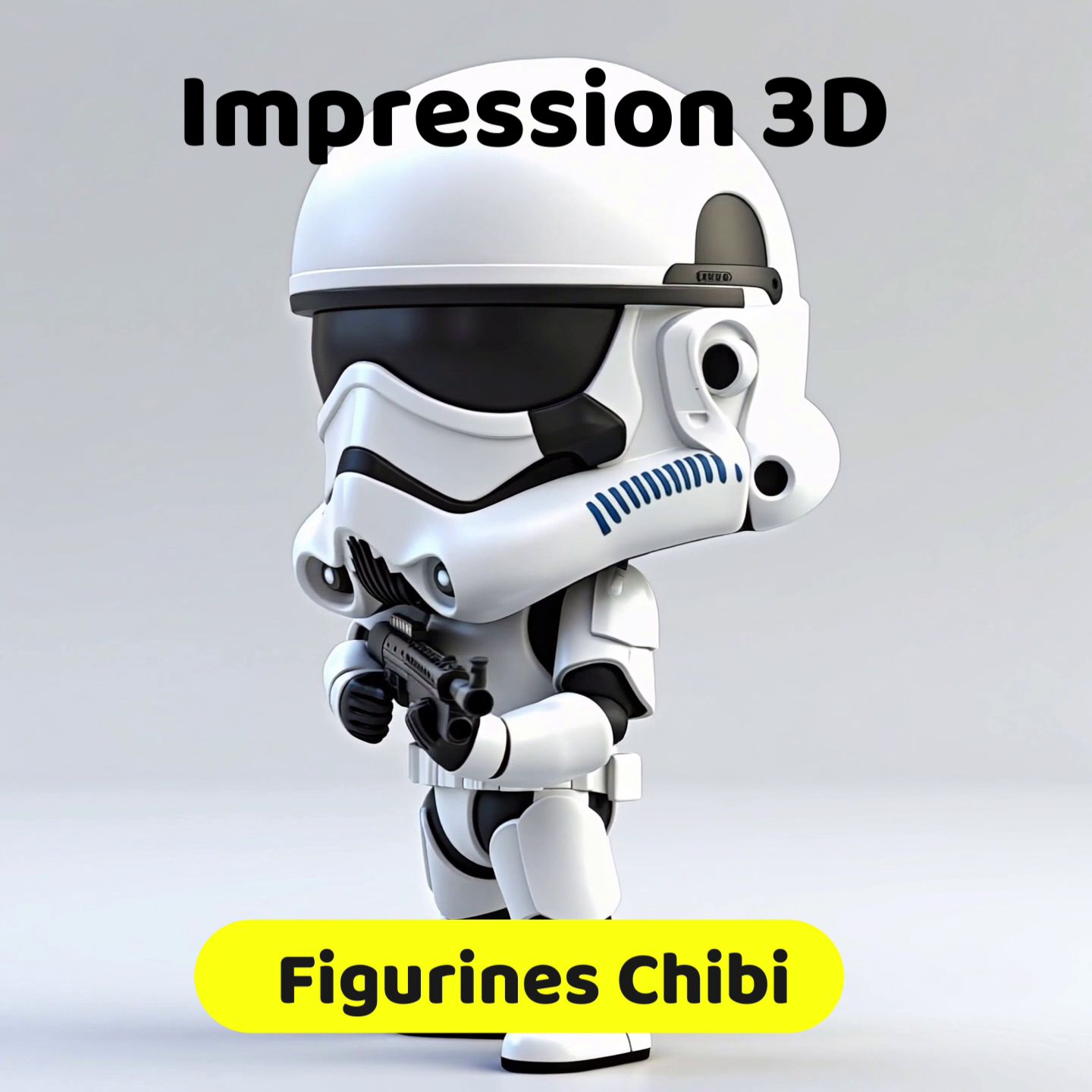
Chibi figurines have become a worldwide phenomenon, beloved for their exaggerated proportions (oversized heads, tiny bodies, huge eyes) that give them an irresistible expressiveness and charm. For 3D printing enthusiasts, reproducing these iconic characters is an ideal project, combining the joy of creation with the challenges of precision and finishing.

1. Why Chibi Figurines and 3D Printing Are a Perfect Pair
The Chibi style is particularly well-suited to the constraints and advantages of 3D printing.
- Rich Exaggerated Detail: The large head size provides a generous surface to capture complex facial expressions, stylized hair, and accessories.
- Simplified Forms: The often-simplified body of Chibi characters makes modeling and printing easier, even for beginners.
- Optimized for Painting: The relatively smooth surfaces and large color areas of Chibi figurines are perfect for hand painting.
2. The Crucial Technology Choice: FDM vs. Resin
The final quality of your Chibi figurine will depend heavily on the printing technology you use.
A. FDM Printers (Filament)
- Advantages: Affordable, low material cost, figurine durability. Excellent for medium to large-sized figurines.
- Disadvantages: Layer lines can be visible, requiring intensive post-processing (sanding, filler, primer) for a smooth finish. Very fine details (eyes, small accessories) may lack sharpness.
- Tip: Print with a layer height of or less, and use high-quality filament (PLA or PolyTerra for its matte finish).
B. Resin Printers (SLA/DLP/LCD)
- Advantages: Unmatched precision is ideal for capturing every tiny detail (eyelashes, clothing wrinkles, small objects). The surface is incredibly smooth right out of the machine, dramatically reducing sanding needs.
- Disadvantages: More expensive, more fragile, and require more rigorous resin handling (washing, UV curing).
- Tip: Ideal for small, highly detailed figurines.
3. Modeling and 3D Files: Where to Find Your Chibi
You have two options to get your 3D model:
- Personal Creation (Modeling): Software like Blender (free), ZBrush Core Mini (free), or Nomad Sculpt (on tablet) are perfect for sculpting Chibi characters. This gives you complete design freedom.
- Download Existing Files:
- Free: Platforms like Thingiverse, Printables, Makerworld... are packed with Chibi models of video game characters, anime, or original creations. Read our article: "Where to Find Free 3D STL Files for 3D Printing? The Best Platforms"
- Paid: For very high-quality, print-optimized models, platforms like Cults3D, CGTrader, or Etsy offer files created by professional artists.
4. Painting and Finishing: Bringing Your Chibi to Life
Post-production is where your figurine truly comes into its own.
- Preparation:
- FDM: Sanding (fine grit sandpaper), filling gaps if necessary, then a coat of gray or white primer for a uniform surface.
- Resin: Cleaning with IPA alcohol and UV curing (mandatory). Light sanding if support marks remain.
- Painting:
- Use acrylic model paints (Games Workshop, Vallejo, Tamiya).
- Apply thin coats to avoid obscuring details.
- Don't hesitate to use washes (highly diluted paint) to accentuate shadows and add depth.
- Protective Varnish: Once paint is dry, apply a matte or satin varnish to protect your work and even out the finish.
3D printing a Chibi figurine is a fun and accessible project that lets you bring your favorite characters to life and develop your modeling and painting skills.