The Advantages of 3D Printing for Defense

3D printing, or additive manufacturing, is no longer confined to research labs or hobbyist workshops. It is profoundly transforming countless industries, and the military is no exception. For armed forces worldwide, this technology represents a true logistical revolution, capable of radically changing the way equipment is designed, repaired, and deployed in the field.
3D Printing, A Strategic Asset

Integrating 3D printing into the military domain offers a multitude of strategic benefits:
- Field Repair and Maintenance (On-Demand Fabrication) Imagine an armored vehicle with a critical component damaged in the middle of a mission, thousands of kilometers from a logistics base. Traditionally, this would mean immobilizing the vehicle for days or weeks while a replacement part arrives. With 3D printing, an on-site team could potentially print the missing part in just a few hours. This ability to produce parts on demand drastically reduces repair times, logistics costs, and supply chain overhead.
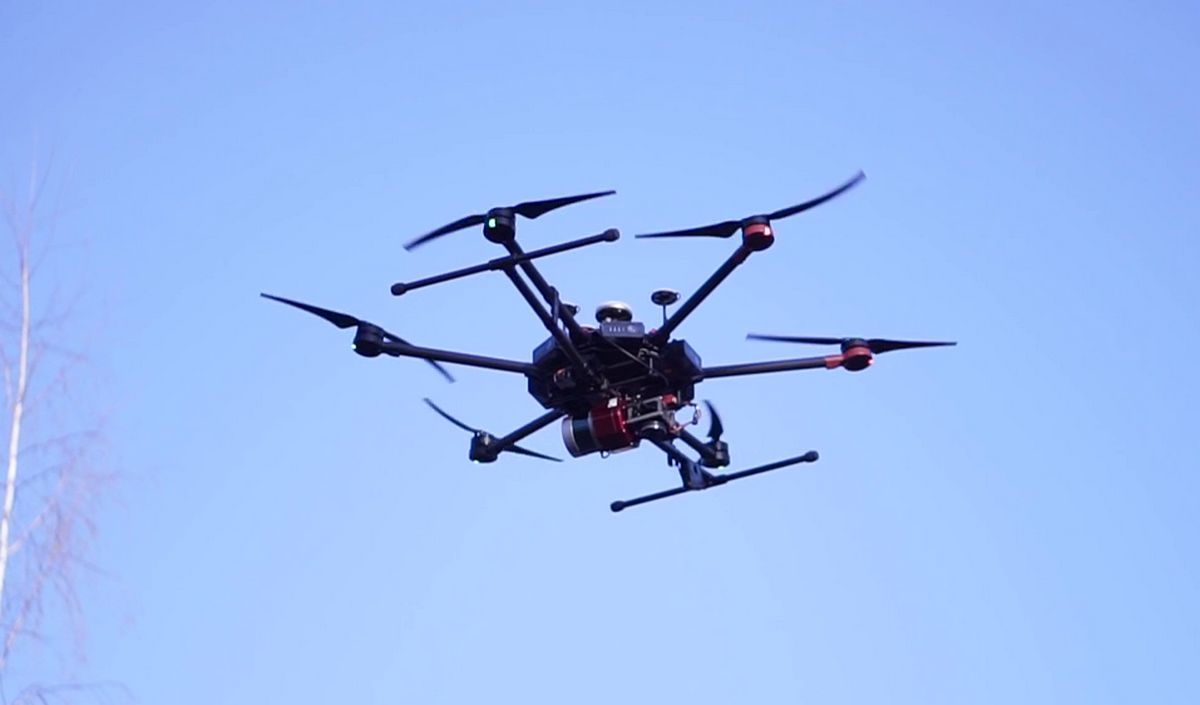
- Rapid Customization and Adaptation Soldier and equipment needs constantly evolve. 3D printing allows the creation of custom tools, brackets, adapter pieces, or even drones perfectly tailored to a specific mission or an individual's ergonomic needs. This design flexibility is unprecedented.
- Cost and Inventory Reduction Additive manufacturing allows production of only what is needed, when it is needed. Gone are the days of massive, costly stockpiles of replacement parts that can become obsolete. The military can thus optimize spending and inventory management.
- Rapid Prototyping and Innovation For developing new equipment, 3D printing significantly accelerates design and testing cycles. Engineers can quickly prototype new weapons, protective gear, sensors, or robots, test them, modify them, and improve them in record time. This fuels innovation and helps maintain a technological edge.
- Weight Reduction and Material Optimization Through complex geometries (lattice structures, hollowed components) impossible to achieve with traditional methods, 3D printing enables the design of lighter yet stronger components. This is a critical advantage for military equipment where every kilogram matters (aircraft, drones, soldier gear).
- Supply Chain Security and Resilience By enabling decentralized production, 3D printing strengthens the resilience of military supply chains. Less dependent on single suppliers or long, vulnerable transport lines, the military can ensure greater autonomy in times of crisis or conflict.
Concrete Applications and Future Prospects
Many countries have already invested in this technology:
- United States: The US Army, US Navy, and US Air Force use 3D printing to manufacture critical replacement parts, specialized tools, custom drones, and even training cartridges. Mobile 3D printing workshops are deployed in the field.
- France: The French military is also actively exploring 3D printing for vehicle maintenance, artillery parts production, and the creation of operation-specific tools.
- Israel, United Kingdom, China: These nations are heavily investing in military additive manufacturing for their own needs, ranging from weaponry to individual equipment.
In the future, 3D printing could enable rapid construction of infrastructure (bunkers, temporary bases) on operational theaters, integration of sensors directly into component structures, or even fabrication of ammunition elements.
Challenges to Overcome
Despite its advantages, large-scale adoption of 3D printing by the military faces challenges:
- Parts Certification: Ensuring that printed parts meet military safety and performance standards is complex.
- Materials: Developing printable materials capable of withstanding extreme battlefield stresses (temperature, impact) is crucial.
- Cybersecurity: Protecting digital design files is vital to prevent intellectual property theft or parts counterfeiting.
- Personnel Training: Soldiers and maintenance personnel must be trained in using these technologies.
3D printing is becoming an essential operational capability for modern militaries. By offering unprecedented agility, autonomy, and adaptability, it does more than improve logistics—it transforms the very concept of operational support, giving armed forces a decisive advantage on the battlefield of tomorrow.