3D Printing and Aerospace: Taking Flight Toward Innovation and Performance

The aerospace industry, with its stringent demands for safety, performance, lightweight construction, and reliability, has always been at the forefront of technological innovation. In this relentless pursuit of excellence, 3D printing, or additive manufacturing, has emerged as a revolutionary technology—not just for prototyping, but increasingly for the production of critical final-use parts. It enables the design and manufacture of components that, just a few years ago, were impossible to produce using traditional methods, propelling aerospace to new heights.
The synergy between 3D printing and aviation is a key factor shaping the future of aircraft, helicopters, drones, and spacecraft, delivering significant gains in efficiency, cost savings, and sustainability.

Why Is 3D Printing Essential to the Aerospace Industry?
Additive manufacturing directly addresses the most pressing challenges in aviation and space sectors:
- Weight Reduction (Lightweighting): Every gram saved on an aircraft translates into reduced fuel consumption, extended range, or increased payload capacity. 3D printing enables the creation of optimized complex structures (internal lattices, truss patterns) that maximize strength while minimizing weight—a goal often unachievable with machining or molding.
- Performance Optimization and Integrated Design: The design freedom offered by 3D printing allows engineers to optimize component geometry for specific performance goals: improving airflow in a duct, enhancing support rigidity, or optimizing heat dissipation. It also enables consolidating multiple parts into a single printed component, reducing assemblies, welds, and fasteners, which decreases failure risk and simplifies logistics.
- Complex Geometry at No Extra Cost: Organic shapes, intricate internal channels (for engine part cooling) and optimized cavities are commonplace in aerospace. 3D printing produces them with high precision, where conventional methods would be impossible or prohibitively expensive.
- Rapid Prototyping and Faster Development: Aerospace has long development cycles. 3D printing enables quick testing of new designs, validation of adjustments, and real-world performance simulation, accelerating R&D phases and reducing time-to-market.
- Spare Parts Management and Resilient Supply Chains: On-demand manufacturing allows spare parts to be produced as needed, dramatically reducing bulky and costly inventory. This is especially valuable for obsolete or low-demand parts, strengthening supply chain resilience.
- High-Performance Materials: 3D printing is compatible with advanced materials essential to aerospace, including titanium alloys (lightweight and strong), nickel superalloys (heat-resistant for engines), aluminum, and high-performance polymers (PEEK, ULTEM) with excellent mechanical and thermal properties.
Major Applications of 3D Printing in Aerospace:
The impact of 3D printing extends across the entire aerospace and space ecosystem:
- Engine Components: This is a leading domain. Parts like fuel injectors (e.g., GE Aviation's LEAP with its 25% lighter and 5x more durable injector), nozzles, casings, and turbine blades are printed to optimize combustion and withstand extreme temperatures.
- Aerospace Structures and Brackets: Cable supports, air ducts, seat attachments, and fuselage elements are printed to cut weight without sacrificing strength. Airbus uses thousands of 3D-printed parts on its aircraft.
- Cabin Interior Fittings: Panels, seat components, latches, galley elements, and climate control ducts are printed to offer customization for airlines, reduce weight, and accelerate production.
- Manufacturing Tooling and Fixtures: Custom tools, fixtures, and jigs for aircraft assembly and maintenance are rapidly produced, cutting costs and lead times compared to machined tooling.
- Space Applications: For launch vehicles, satellites, and exploration modules, 3D printing is essential for fabricating lightweight parts resistant to extreme conditions and complex geometries (e.g., SpaceX combustion chambers, NASA's Perseverance rover components).
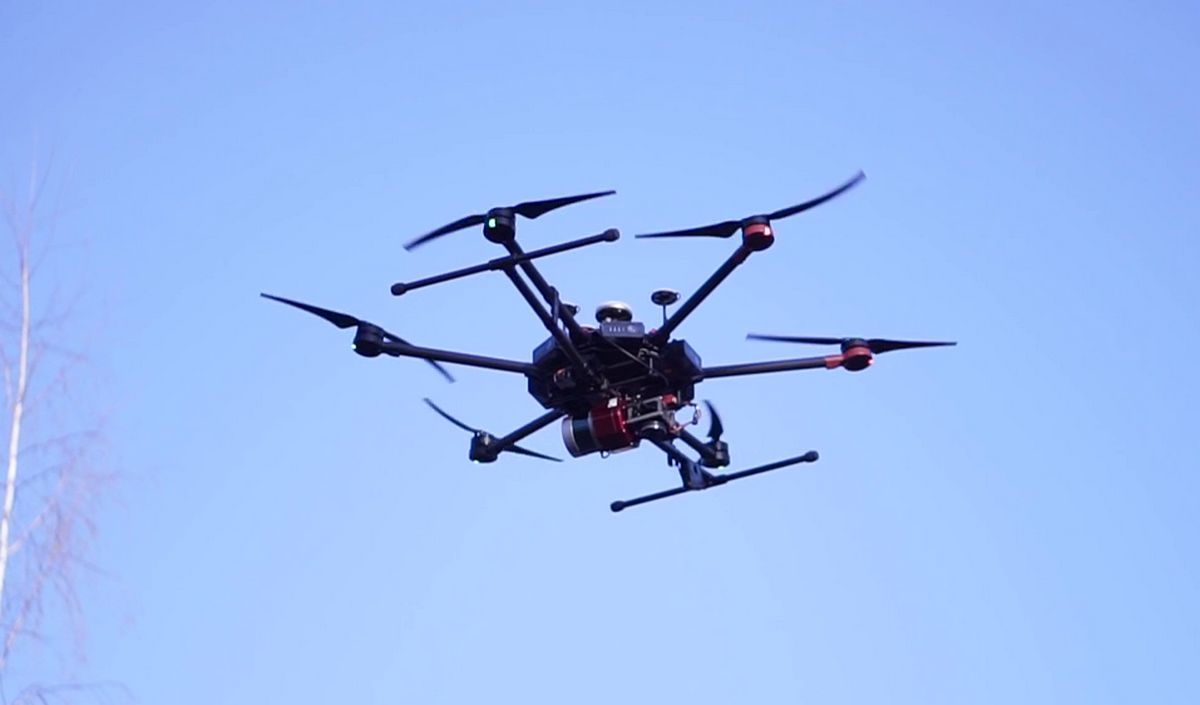
- Drones and UAVs (Unmanned Aerial Vehicles): Fast design and production of lightweight frames, optimized propellers, and mission-specific supports for drones with diverse applications.
Challenges and the Future of Aerospace Additive Manufacturing:
Despite these spectacular advances, large-scale deployment of 3D printing in aerospace faces challenges:
- Certification and Regulation: With safety paramount, qualification of processes and certification of printed parts are extremely rigorous and time-consuming.
- Material Property Consistency: Ensuring consistent quality and mechanical properties across each printed part remains an ongoing challenge.
- Advanced Quality Control: Developing effective non-destructive testing methods to guarantee internal integrity of complex parts.
- Equipment and Material Costs: Industrial 3D printers and aerospace-grade metal powders remain very expensive.
However, the outlook is tremendous. 3D printing will continue to transform aerospace by enabling even bolder designs, lighter and more fuel-efficient aircraft, flexible production, and more efficient maintenance. It's a technology propelling the industry toward an era of unprecedented performance and sustainability.