Voxel 3D Printing Is an Additive Manufacturing Technology

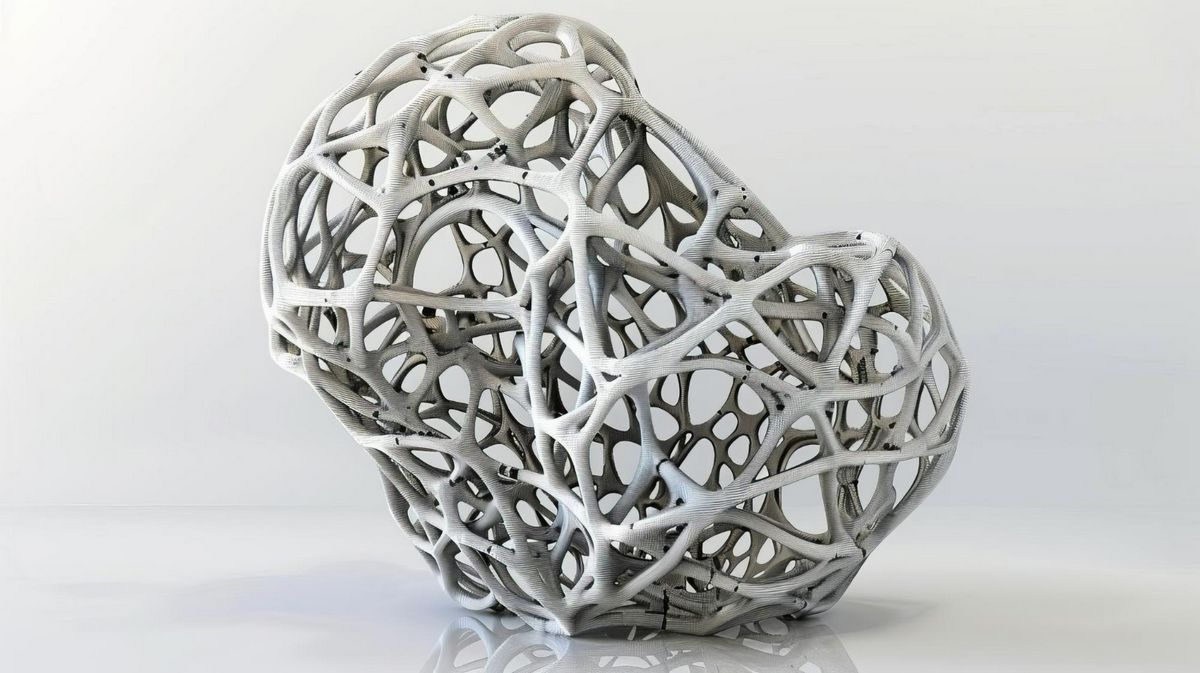
Voxel 3D printing is an additive manufacturing technology at the forefront of innovation. While most consumer 3D printers build objects layer by layer, the voxel approach allows you to create parts by controlling every point in three dimensions, offering unprecedented control over the final object's properties.

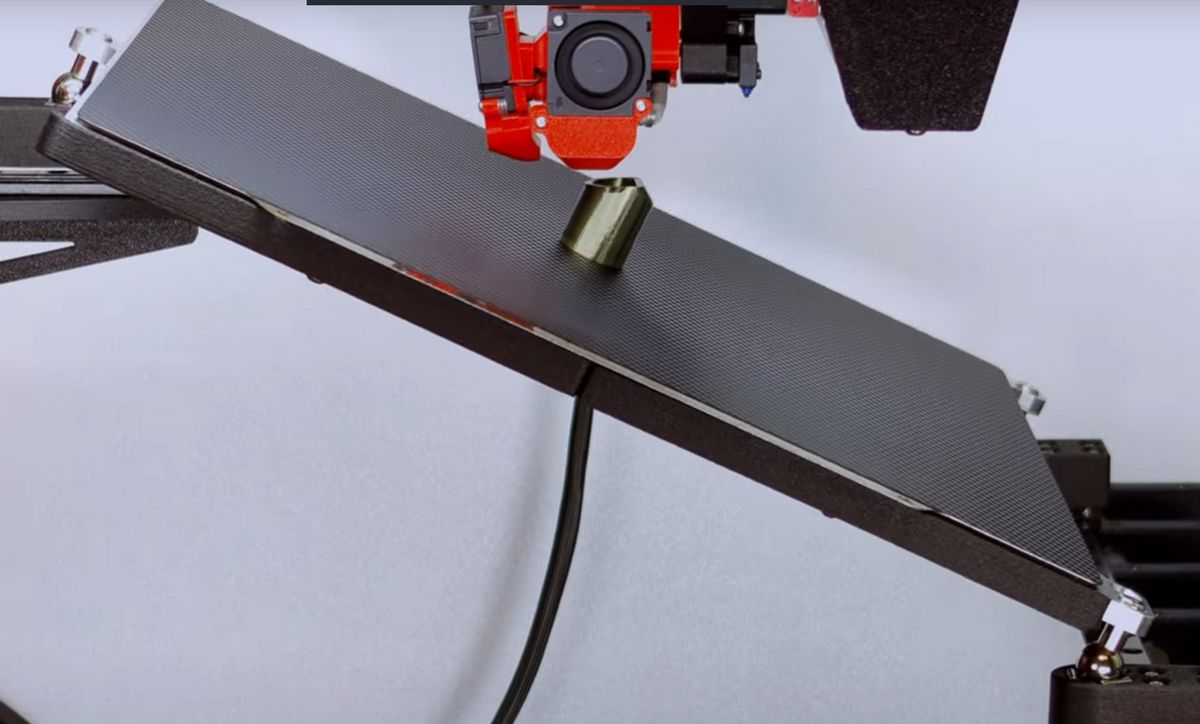
(Image Source: HP via Youtube)
What Is a Voxel?
The word voxel is a contraction of "volume" and "pixel". If a pixel is the smallest point in a two-dimensional image, a voxel is the three-dimensional equivalent: it's a cube or elementary volume that defines a point in 3D space.
In a traditional 3D printer (like an FDM), the 3D file is first sliced into layers. The printer then follows the outline of each layer to build the part. With voxel printing, the design is directly converted into a 3D grid of voxels, where each voxel can be assigned distinct properties.
How Does Voxel Printing Work?
Most voxel-based technologies use material jetting or powder bed methods. A print head moves over a powder bed or build plate, depositing material or a binding agent that solidifies the powder at precise locations, voxel by voxel.
This approach allows control over not just the part's geometry, but also its composition. A voxel 3D printer can print an object in a single pass, fusing material instantly, making it potentially much faster than traditional methods.
The Advantages of This Technology
Voxel printing is not just a simple evolution; it's a paradigm shift that opens the door to unprecedented possibilities:
- Multi-material and gradients: The greatest advantage is the ability to print objects with different materials, colors, and densities, all in a single piece. You can create material gradients, such as an object that transitions from flexible to rigid, or from translucent to opaque, without any seams.
- Precise property control: Each voxel can be programmed with information about color, texture, density, or even conductivity. This enables the creation of "smart" parts, with circuits printed inside or areas with enhanced friction resistance.
- Part durability: The absence of layers eliminates the typical weak points of FDM 3D printing, resulting in stronger and more homogeneous parts, with equal resistance in all directions.
Current State of the Technology
Although the promise of voxels is enormous, this technology is still largely confined to industrial environments and research. Companies like HP, with their Multi Jet Fusion technology, have been pioneers in voxel-level control, but it's not yet accessible to the general public.
Software complexity, machine costs, and the slowness of the process for complex parts mean that voxel 3D printing is not yet mainstream.
In conclusion, voxel printing is a fascinating glimpse into the future of additive manufacturing. It promises to transform how we design and manufacture objects, moving from simple shape creation to programming matter itself.
Disclaimer: The information and data contained in this article are provided for informational purposes only. They aim to raise awareness of best practices. Current studies on the long-term effects of these emissions do not yet allow us to identify potential health risks.