The Most Promising Materials for 3D Printing
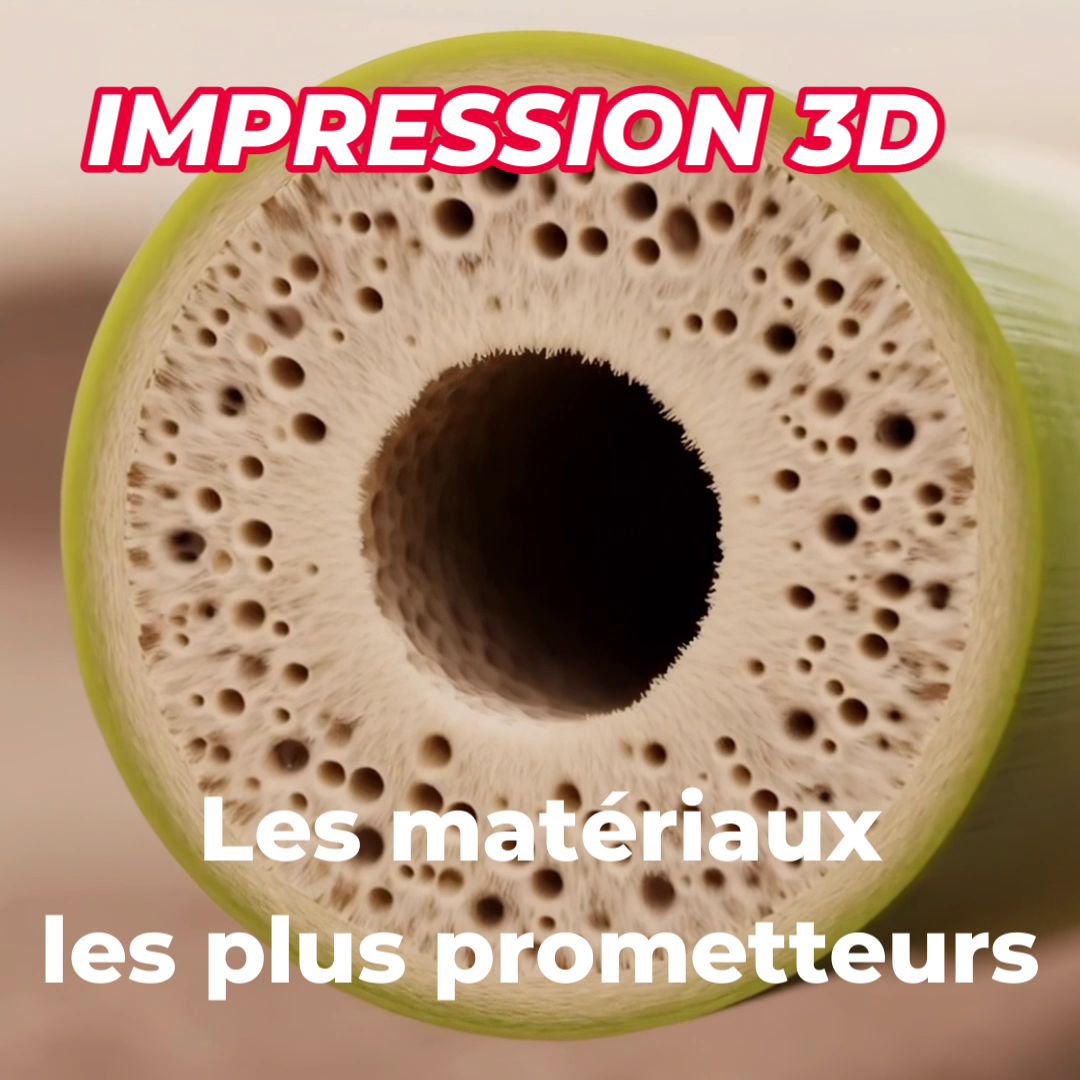
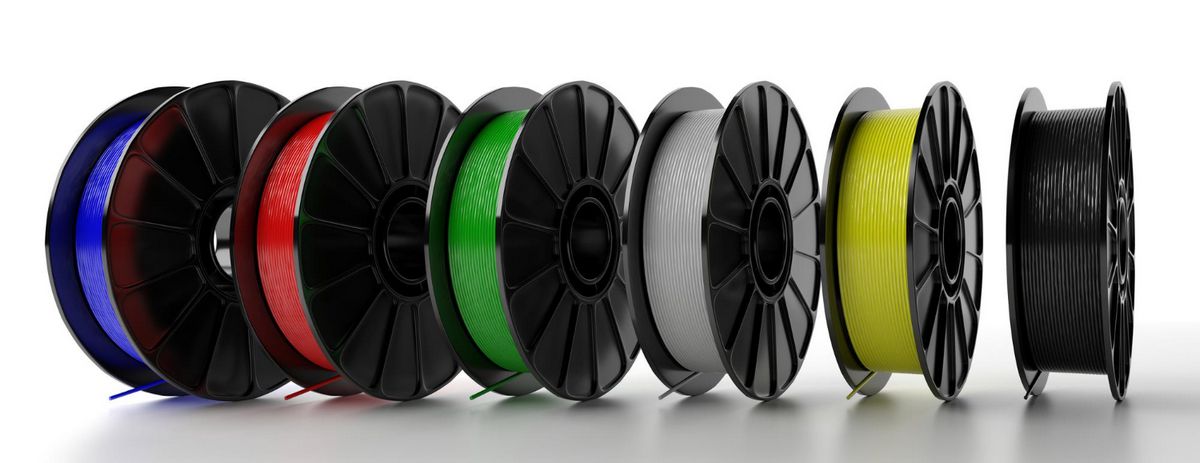
Far from being limited to simple plastic, 3D printing is advancing thanks to the emergence of higher-performance, sustainable, and specialized materials. The future of 3D printing no longer depends solely on the machines themselves, but on the material we put into them.

Advanced and Recycled Biopolymers
Facing environmental challenges, eco-friendly filaments are gaining ground.
- Recycled PLA (rPLA): Manufacturers now offer PLA made from production waste. This reduces costs and environmental impact without sacrificing print quality.
- Natural fiber composites: Filaments enriched with wood, hemp, or bamboo fibers offer a unique appearance and natural feel. They're perfect for decorative, architectural, and artistic projects.
High-Performance Polymers
These materials are key to moving from prototyping to producing end-use parts, especially in industry.
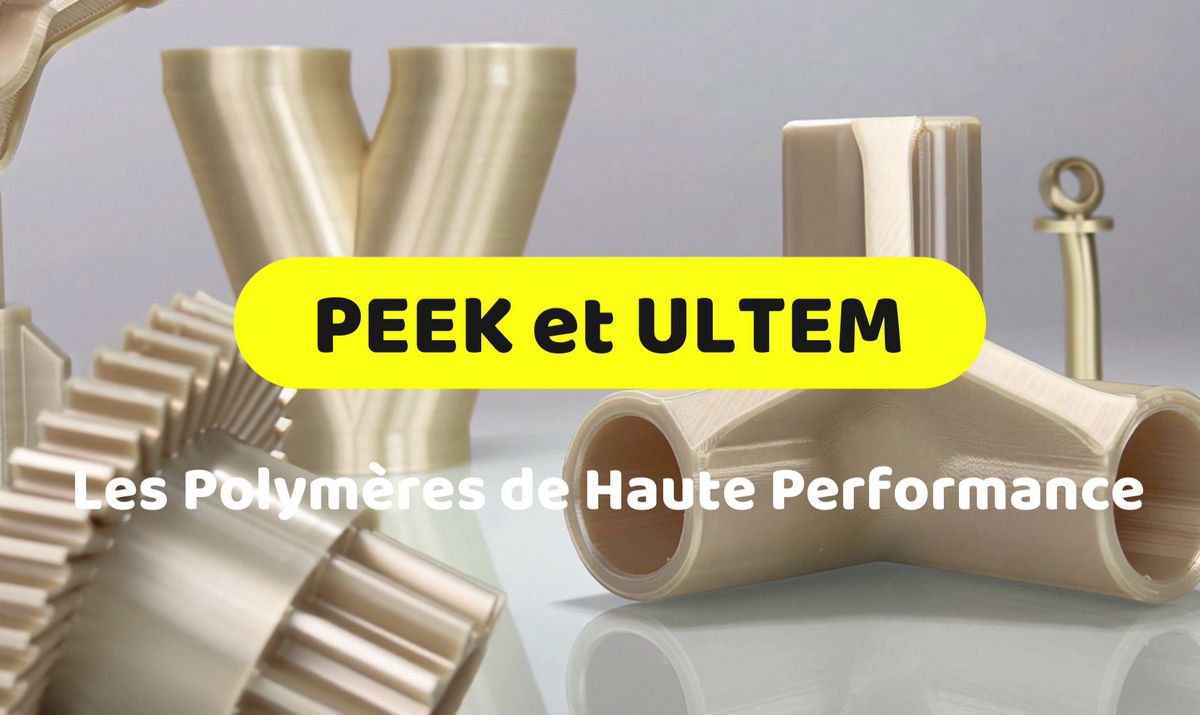
- PEEK and PEI: Designed to resist extreme temperatures and chemicals, PEEK and PEI (commonly called Ultem) are polymers of choice for aerospace, automotive, and medical instruments. Their mechanical strength is exceptional.
- Nylon and composites: Nylon reinforced with carbon or glass fibers has become a standard. It offers excellent rigidity-to-weight ratio and is ideal for mechanical parts and end-use components that must withstand significant stress.
Smart and Functional Filaments
Innovation also lies in materials with unique and interactive properties.
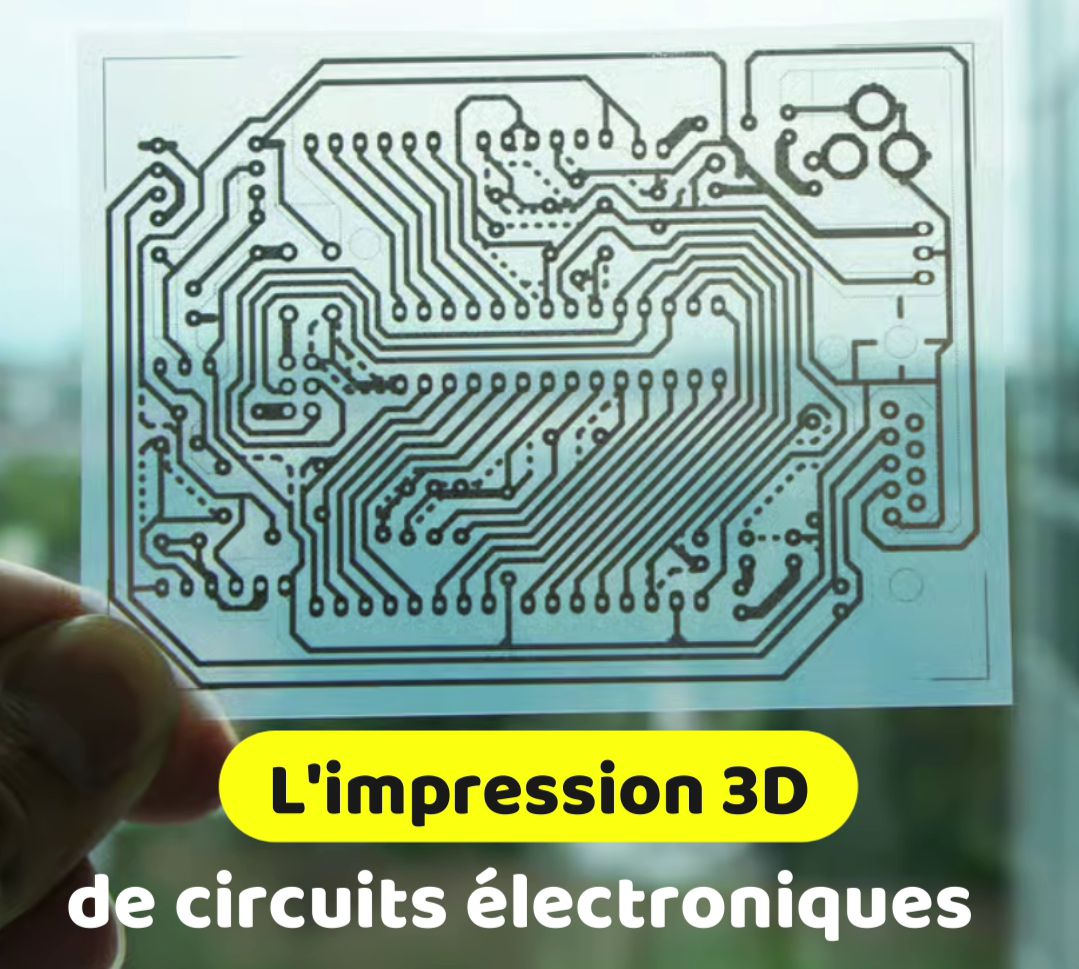
- Conductive filaments: PLA or ABS enriched with carbon particles allows you to create simple electronic circuits directly during printing. You can print sensors, switches, or conductive traces for basic electronics projects.
- Color-changing filaments: Sensitive to temperature (thermochromic) or UV light, they offer a playful and educational appearance. They're widely used for objects that react to their environment.
Metal and Ceramic for Everyone
Filament-based 3D printers are no longer limited to plastic. New processes make metal and ceramic more accessible.
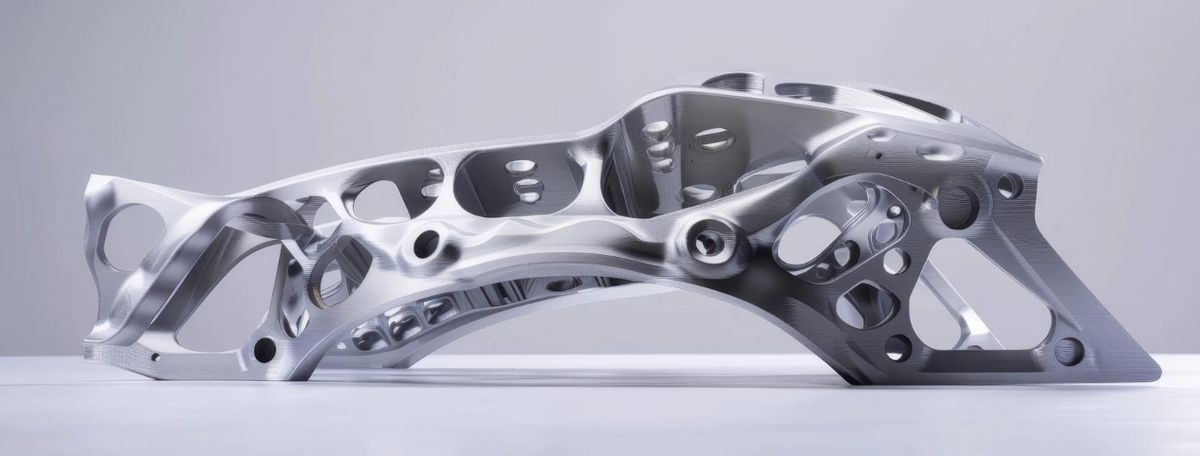
- Metal-filled filaments: These filaments (containing bronze, copper, or stainless steel powder) allow you to print parts that, after post-processing with debinding and sintering, transform into solid metal objects. It's a revolution for makers and small businesses wanting to create metal parts without resorting to expensive industrial printers.
- Ceramic filaments: Similarly, filaments based on ceramic powder open the door to creating fired ceramic objects for decoration or tableware.
In conclusion, true innovation is no longer found in printing speed, but in the richness and functionality of materials. This evolution marks the shift of 3D printing from a hobby tool to a production technology, ready to integrate into every sector of the economy.