3D Printing for Terrariums: Create a Custom World for Your Plants and Animals
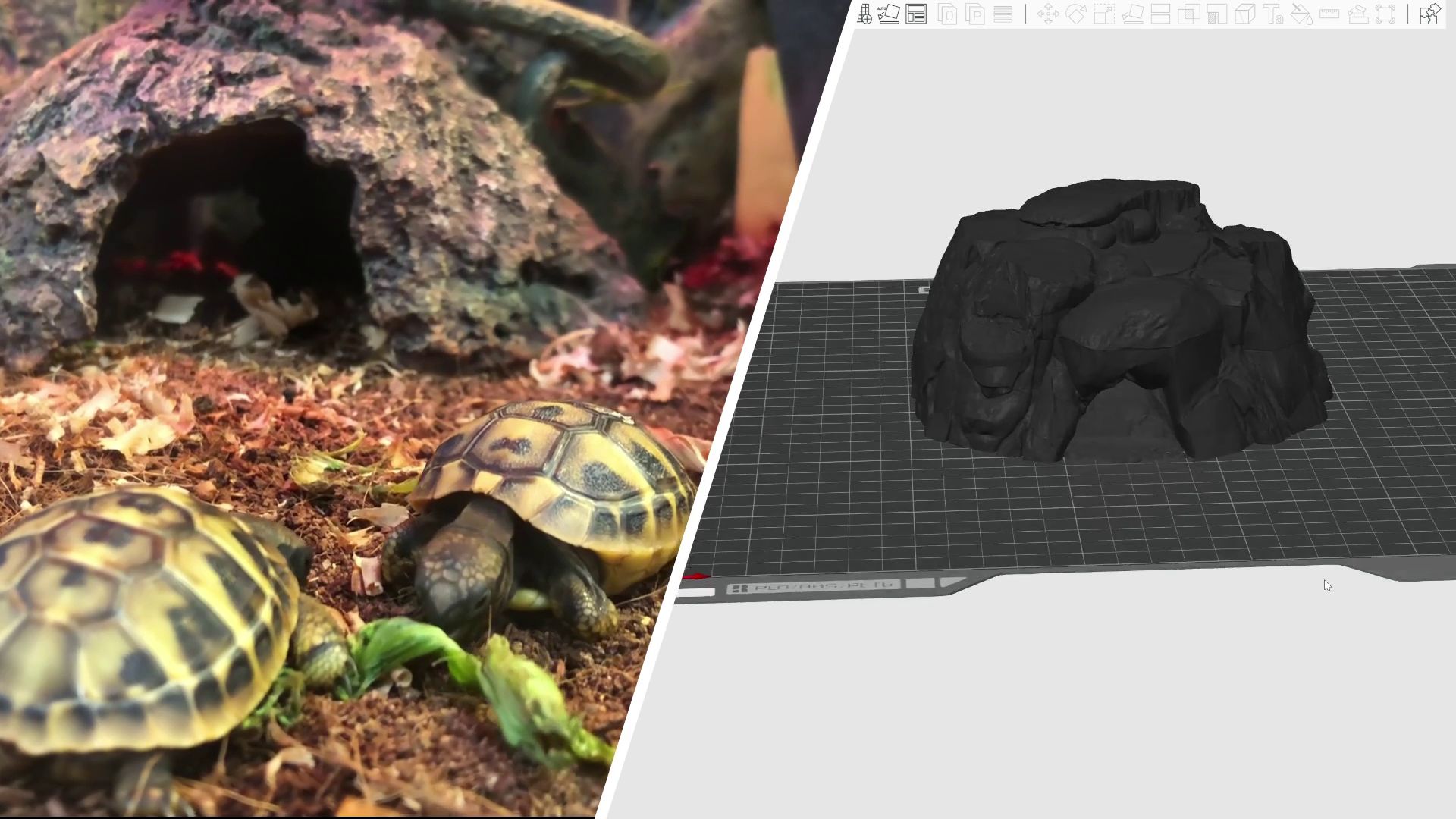
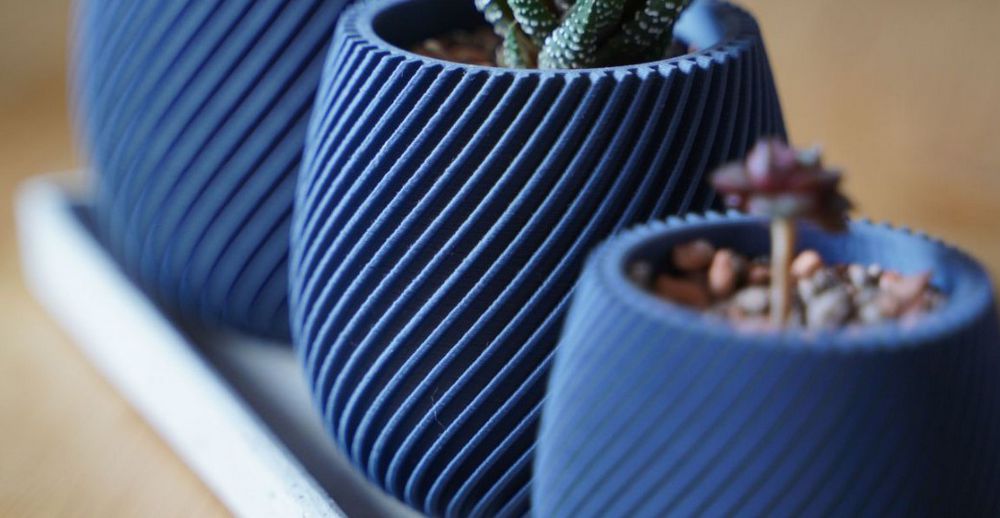
A terrarium is far more than just a glass box: it's a miniature ecosystem, a refuge where aesthetics meets nature. 3D printing offers enthusiasts unprecedented creative freedom to design unique, functional décor perfectly suited to their plants, reptiles, or insects.
Why is 3D Printing Ideal for a Terrarium?

- Endless Customization: Forget standard store-bought decorations. With a 3D printer, you can design and print any shape, from miniature bridges to detailed tree stumps, to match exactly your vision.
- Custom Functionality: You can create pieces that are not just beautiful, but also practical. Think custom hiding spots for your reptiles, integrated feeders or water dishes, or supports for your climbing plants.
- Precise Sizing: 3D printing lets you perfectly adapt each piece to your terrarium's dimensions, optimizing space and creating a harmonious environment.
Ideas for Terrarium Creations
- Shelters and Hideouts: Create caves, tunnels, or half-logs to provide your animals with a safe, secluded resting spot.
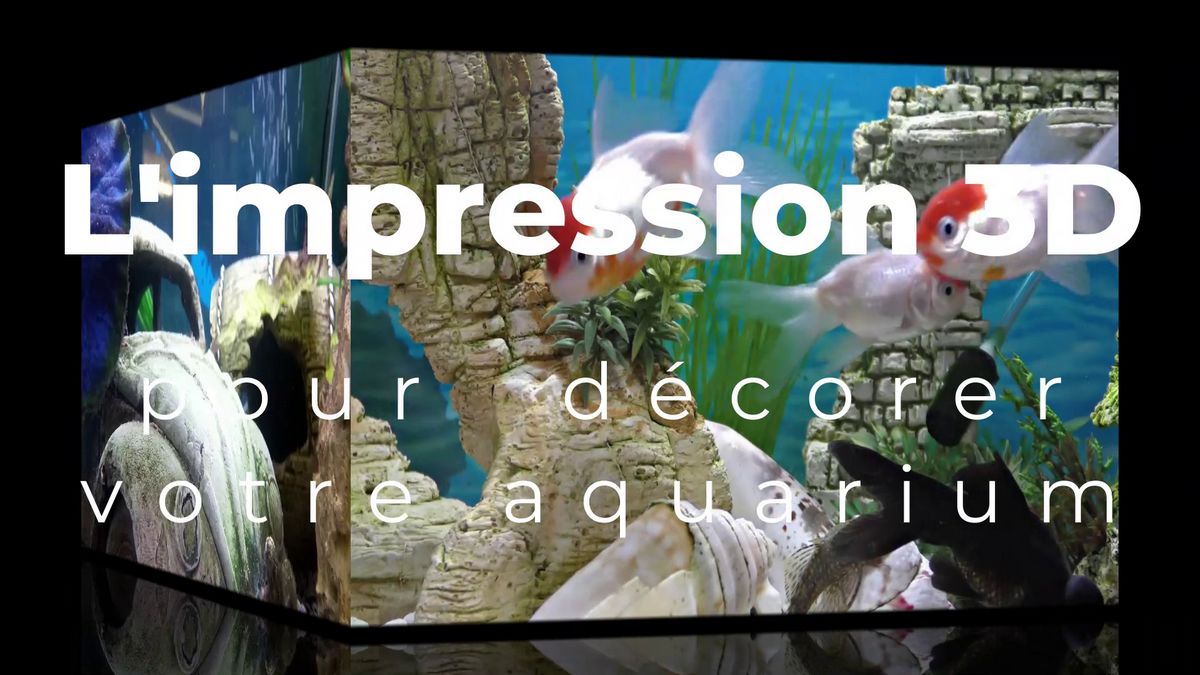
- Landscape Elements: Print fake rocks, dead tree stumps, bridges, or even ancient temple ruins for a unique theme.
- Functional Accessories: Supports for your vines, access ramps for animals, or platforms for your plants can all be custom designed.
Many online platforms are packed with free and paid models ready to download and print. Check out our article: "Where to Find Free 3D STL Files for 3D Printing? The Best Platforms"
Materials and Safety: Essential Points
Safety is the top priority, since printed pieces will be in direct contact with living creatures.
- Filament Choice:
- PLA (polylactic acid) is the safest choice. It's a biobased and biodegradable plastic, considered non-toxic. It's the most recommended for terrarium decoration.
- Avoid filaments containing toxic additives, like certain plastics with dyes or metal fillers. Always check the filament's safety data sheet (MSDS).
- ABS-based filaments are not recommended as they can release harmful fumes during printing and are less stable in humid environments.
- Sealing and Protection:
- A raw 3D print is porous and can trap moisture, promoting mold and bacteria growth.
- To make the piece safe, it is essential to seal it. After washing the piece with soapy water, apply one or more coats of food-grade varnish or pet-safe resin. This makes the piece smooth, non-porous, and easy to clean, while protecting it from moisture.
By combining your creativity with 3D printing technology, you can create an exceptional environment, perfectly tailored and safe for the life you cultivate within it.