3D Printing and Cookie Cutters: Creativity in Baking

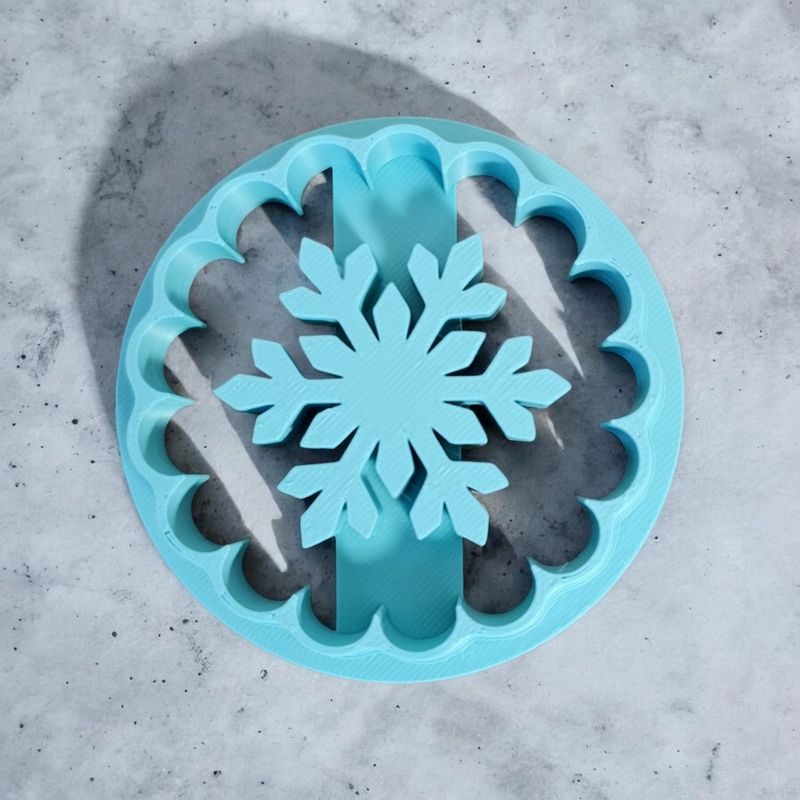
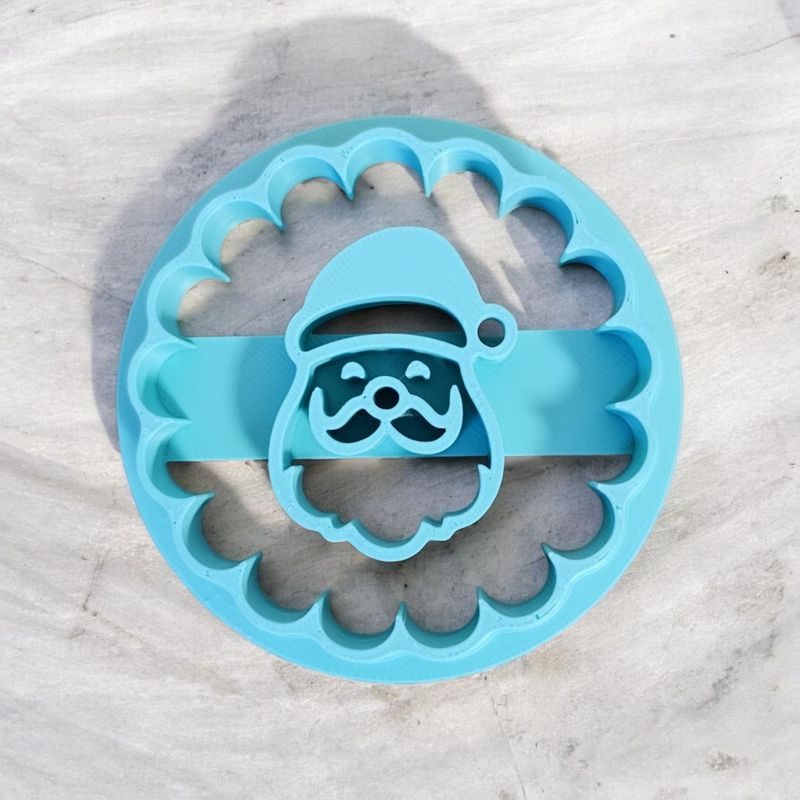
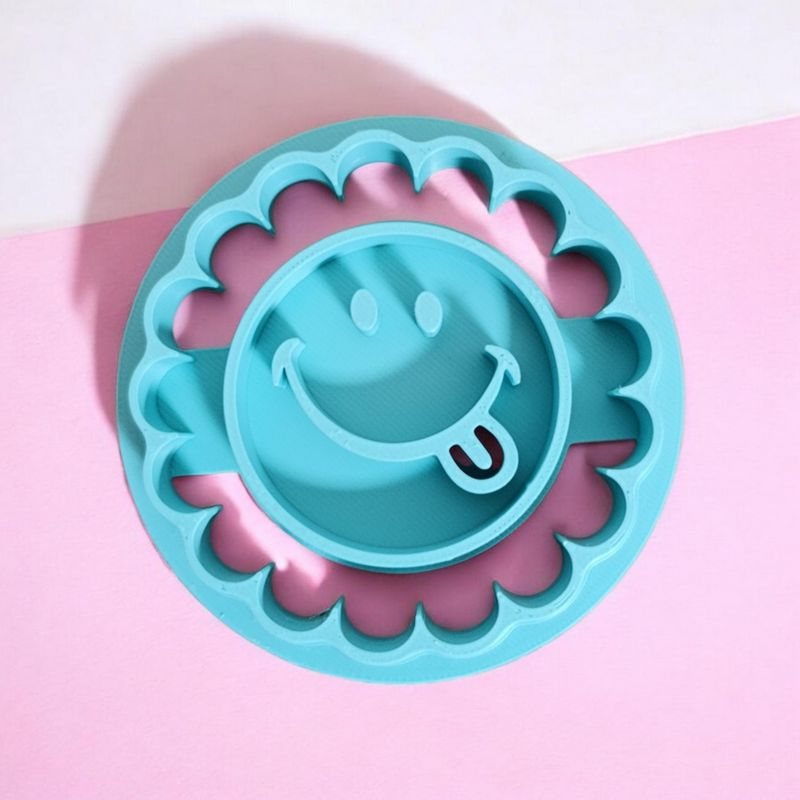
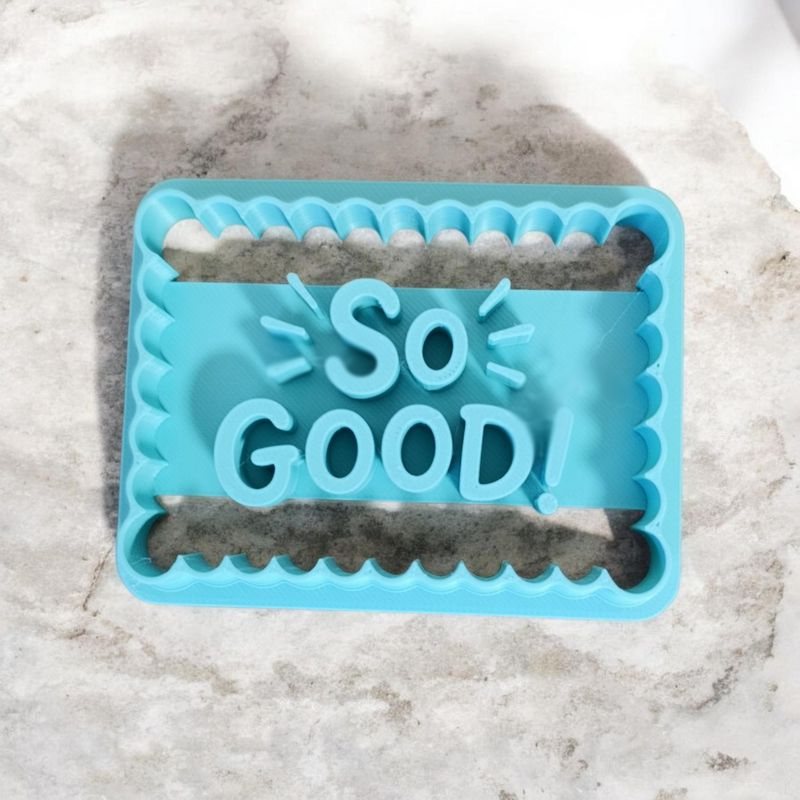
3D printing has pushed the boundaries of creativity, and this revolution doesn't stop at the kitchen door! For baking enthusiasts, 3D printing has become the ideal tool to create custom, original, made-to-measure cookie cutters. Say goodbye to standard shapes: you can now turn any idea into a delicious cookie.
Why Print Your Own Cookie Cutters?

- Unlimited creativity: This is the main advantage. You can create a cookie cutter featuring a cartoon character, a company logo, a personalized message for a birthday or wedding. The possibilities are endless.
- Savings: Highly specialized cookie cutters can be expensive in stores. 3D printing is a much more economical alternative, since the filament cost is minimal.
- Rapid prototyping: If you design your own molds, 3D printing lets you quickly test the size, shape, and usability of your cookie cutter before finalizing it.
From 3D File to Cookie: Key Steps
- Design: You can either download thousands of free files from online platforms (check our article: "Where to Find Free 3D STL Files for 3D Printing? The Best Platforms"), or create your own. Simple software like TinkerCAD make it easy to design a cookie cutter in minutes. We offer free cookie cutter models here: @LeMondedu3D
- Filament: PLA is the go-to filament. It's non-toxic, easy to print, and produces no harmful fumes.
- Printing: For a clean cut, it's best to use a low layer height (0.16 mm for example) for the cutting blade. High infill (over 50%) is recommended for a solid, sturdy handle.
- Cleaning: Once printing is complete, it's crucial to clean the cookie cutter thoroughly with hot water and soap and a small brush to remove any plastic residue or dust.
An Essential Point: Food Safety
Although PLA is considered non-toxic, there's one critical aspect to keep in mind: porosity.
The FDM 3D printing process creates tiny gaps between layers of filament. These microscopic spaces, invisible to the naked eye, can harbor bacteria and are very difficult to clean thoroughly.
For safe use:
- Limited use: It's recommended to treat 3D-printed cookie cutters as occasional-use tools.
- Meticulous cleaning: Always wash them carefully with soapy water after each use and ensure they're completely dry before storing.
- For the extra cautious: For maximum safety, some prefer using their 3D-printed cookie cutter as a stencil by placing a sheet of food-grade plastic film between the plastic and the dough.
In conclusion, 3D printing is a fantastic tool for bakers who want to let their creativity run wild. With quality filament, good hygiene practices, and responsible use, you can create unique cookies that will delight your loved ones.