3D Printing and RC Boat Modeling
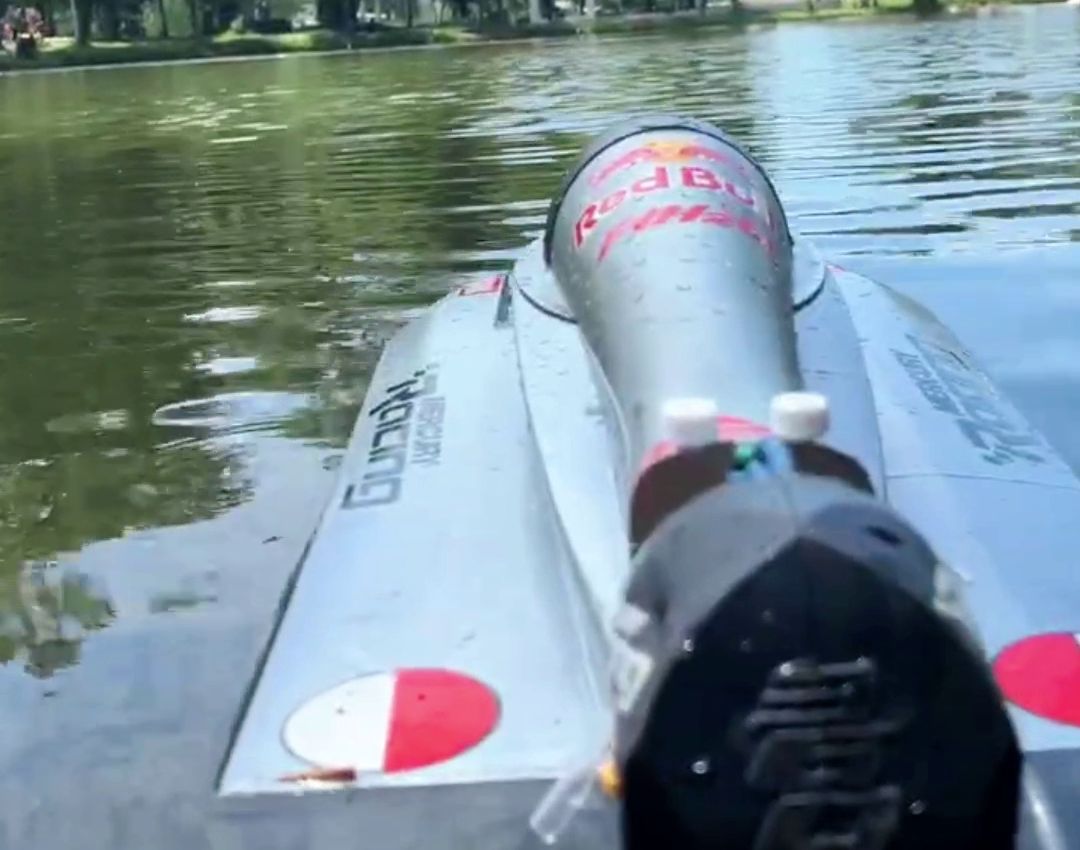
Radio-controlled (RC) naval modeling is a passion that combines technique, precision, and creativity. The advent of 3D printing has profoundly transformed this hobby, offering enthusiasts a revolutionary tool to design, repair, and customize their boats with unprecedented freedom and accuracy. The era of settling for standard parts is over: today's modeler is also a creator.
Why is 3D Printing the RC Modeler's Best Friend?

(Video Source and 3D File: Yurdesign via Cult3d)
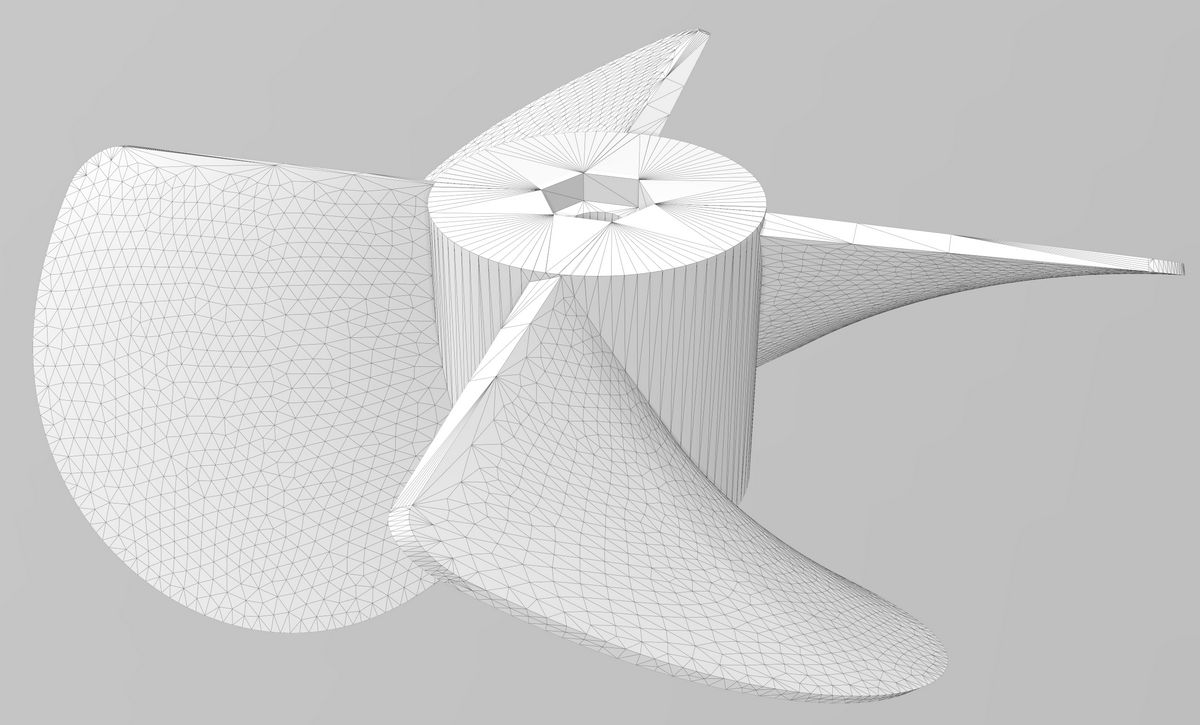
- Infinite customization: Say goodbye to generic kits. 3D printing lets you design and print unique parts, whether it's a propeller optimized for speed, a rudder with a specific shape, or a custom hull for a historic or futuristic design.
- Rapid prototyping: Design time is dramatically reduced. You can design a rudder in a few hours, print it, test it on water, then improve it without waiting for a new order or costly manufacturing.
- Repair and reproduction: A broken and hard-to-find part? A vintage RC model that needs fixing? 3D printing lets you reproduce damaged parts or pieces that are no longer manufactured, extending the life of your boats.
- Lightweight parts: For racing performance, weight is essential. 3D modeling allows you to create parts with optimized internal structure (like honeycomb infill), reducing weight without sacrificing strength.
Boat Parts You Can 3D Print
The list of 3D-printable parts is nearly endless and goes far beyond simple decoration.
- The hull: While ambitious, it's possible to print an entire hull in sections, or a full hull for smaller boats.
- Propulsion parts: Propellers, rudders, and motor mounts can be optimized for a specific boat and engine.
- Electronics mounts: The interior of an RC boat is often tight on space. Printing custom mounts for batteries, servos, and receivers lets you maximize space and secure your electronics.
- Aesthetic details: Railings, antennas, winches, radars, or masts can be printed with impressive detail.
Materials and Best Practices for Printing Boats
- Filament choice:
- PLA is perfect for rapid prototyping and parts that won't contact water.
- For submerged or stressed parts, PETG or ABS are better choices. PETG is more resistant to moisture and heat.
- Waterproofing: The porosity of a 3D print is a major concern. It's essential to apply a waterproof coating, such as epoxy resin, to hulls or parts that must be sealed to prevent water infiltration. For hatches and seals, printing parts in flexible TPU can be an excellent solution.
- Layer height and infill: Use a fine layer height for better waterproofing and increase the number of perimeters (or infill density) to reinforce structural parts.
Where to Find 3D Models of Boats and RC Parts
If you're not a 3D modeling expert, don't worry! Many online platforms are packed with free or paid models, ready to download and print. Check out our selection of STL file libraries
In conclusion, 3D printing has democratized RC model building. It transforms modelers into engineers and designers, allowing them to build truly unique, high-performance boats that reflect their vision.