3D Printing for Aquarium Decorations 🐠🐡
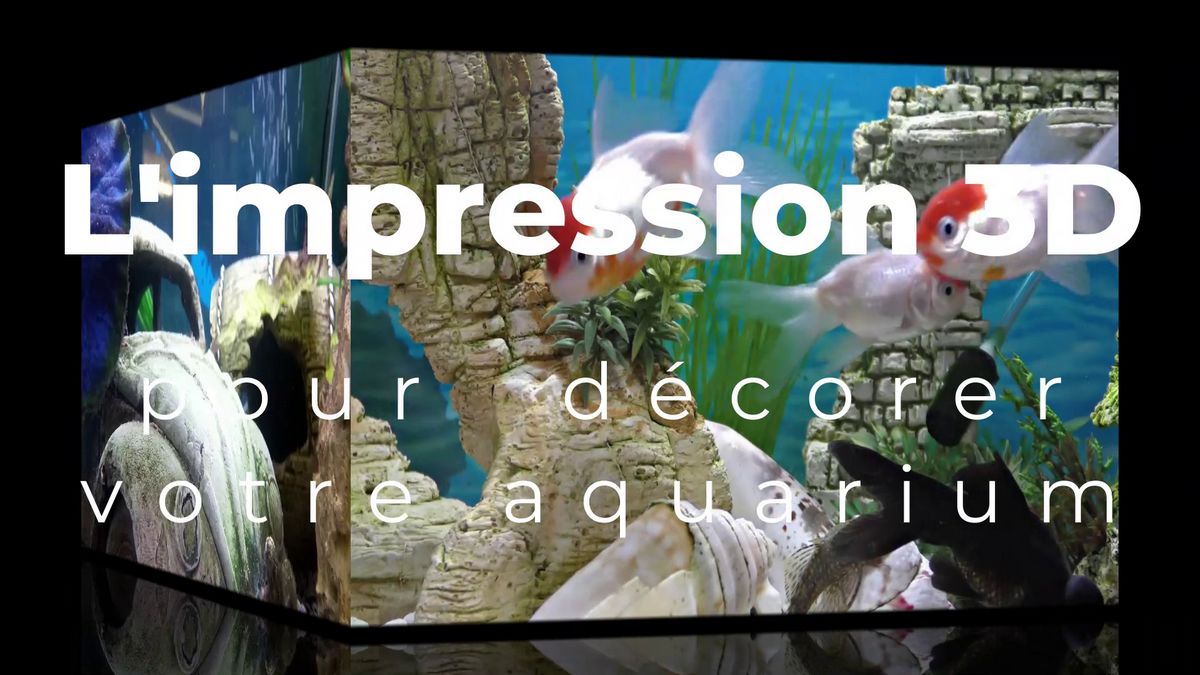
3D printing offers unprecedented creative freedom to customize your aquarium. Whether you're fabricating a coral replica, a miniature castle decor, or a hiding spot for your fish, the possibilities are endless. However, it's crucial to follow strict rules to ensure the safety and health of your aquatic ecosystem.

Filament Selection: The Golden Rule
Material selection is the most important and critical step. The wrong filament can release toxic chemicals or microparticles into the water, endangering your fish.
The best and safest choice is PLA (Polylactic Acid). This filament, made from plant-based materials (such as corn starch), is considered biodegradable and non-toxic. It's the standard for 3D printed aquarium decorations.
Avoid these filaments:
- ABS: Contains chemicals that can be toxic to fish.
- PETG: Although often labeled as "food-safe," it can degrade or release microplastics into the water over time. Its long-term safety in aquatic environments is not guaranteed.
- Resins (for SLA printers): Most resins are highly toxic until fully and perfectly polymerized (cured). It's extremely difficult to guarantee that no residual toxicity remains.
- Filaments with additives: Avoid filaments containing metal powders, wood, glitter, or fluorescent substances, as these additives can be harmful.
Platforms to Find 3D Files
If you don't want to model your own pieces, a vast library of files is available online. Many creators share their designs, free or for purchase.
You'll find countless models on 3D file platforms renowned for their extensive free collections.
Object Preparation: An Essential Process
Once your object is printed, it shouldn't be placed directly in the aquarium. Careful preparation is essential:
- Thorough cleaning: Wash the object in hot water with a new brush (no soap or detergent) to remove any dust or manufacturing residue.
- 100% infill: Print your piece with complete infill (100% infill). This prevents air bubbles from forming inside the object, which could cause floating or create pockets where bacteria could grow.
- Sanding: Sand sharp edges or burrs to prevent your fish from getting injured.
- Sealing (recommended): For maximum safety, you can seal the object with varnish or epoxy resin specifically approved for aquarium use. This will prevent any potential PLA degradation and make cleaning easier.
Installation: Patience and Precautions
Even after preparation, one final step is necessary to ensure your fish's safety:
- Immersion test: Place the object in a small separate water tank for a few days. Carefully monitor water parameters (pH, nitrites, nitrates) to ensure they're not affected.
- Observation: If parameters remain stable and the object shows no unusual odor, it's ready to be introduced into your main aquarium.
By following these steps, you can create unique and spectacular decors for your aquarium safely.