3D Printing and Robotics: A Revolutionary Duo at the Heart of Innovation

Robotics, a discipline that combines mechanical engineering, electronics, and computer science, is in constant pursuit of performance, flexibility, and efficiency. From industrial automation to surgical robots, drones, and space exploration rovers, innovation is paramount. This is where 3D printing (or additive manufacturing) steps in as a powerful catalyst, offering robotic designers and engineers unprecedented design and production capabilities.
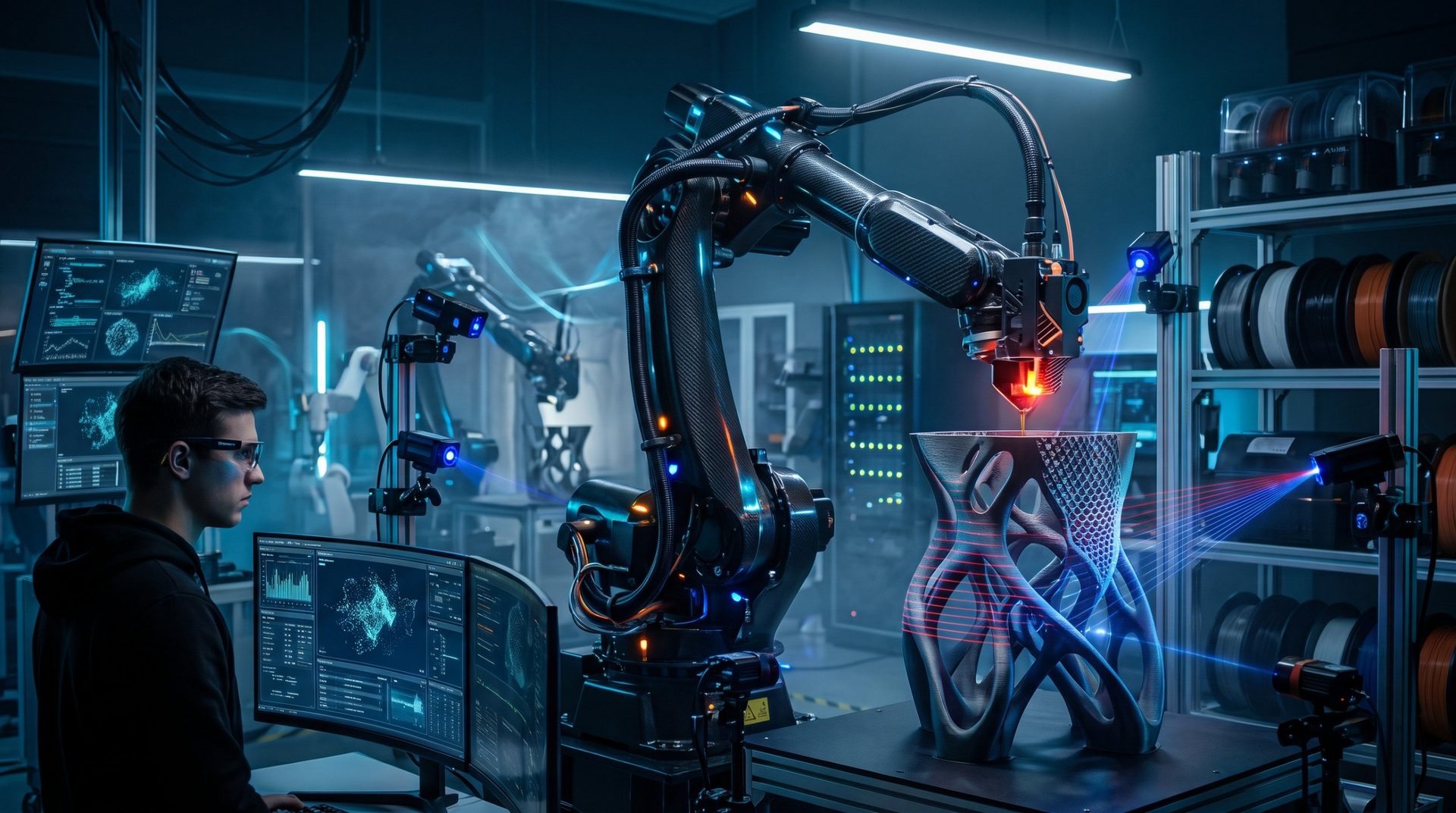
The synergy between 3D printing and robotics makes it possible to push the boundaries of what is achievable, fostering customization, agile development, and performance optimization of robotic systems.

Why Is 3D Printing Essential to Robotics Advancement?
Integrating additive manufacturing into the robotic development cycle delivers major competitive advantages:
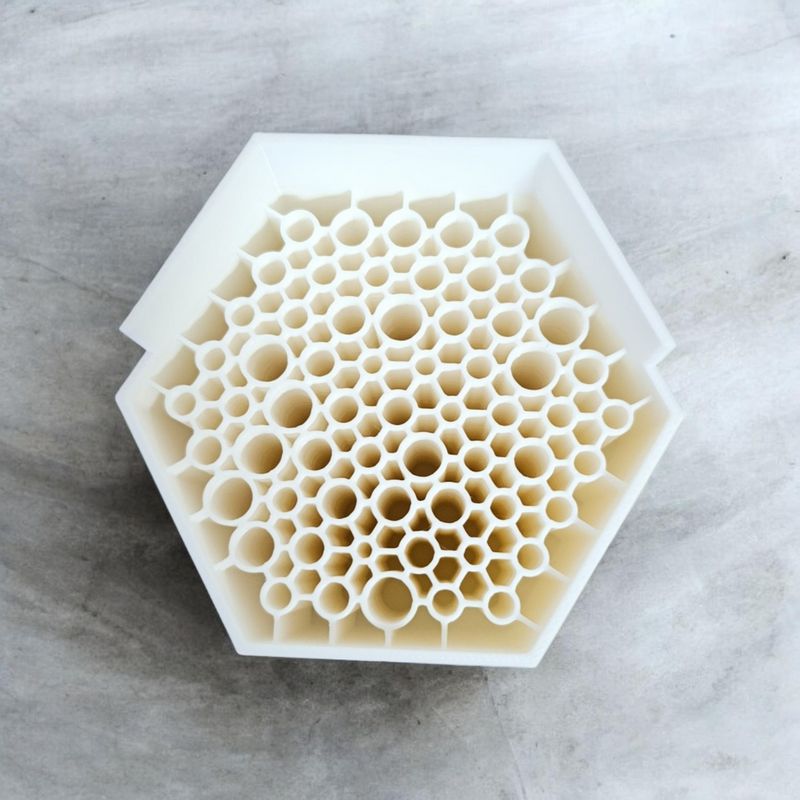
- Design Freedom and Topological Optimization: 3D printing breaks free from the constraints of traditional manufacturing methods (machining, molding). It enables the creation of complex geometries, optimized internal structures (for example, lattices to lighten a part without compromising strength), and the integration of multiple functions into a single component, reducing the number of parts and potential failure points.
- Rapid Prototyping and Agile Iteration: Robotics is a field of constant experimentation. 3D printing allows teams to quickly move from an idea to a functional physical prototype. Engineers can test different configurations, validate concepts, and adjust designs in hours or days, accelerating development cycles and reducing iteration costs.
- Lightweight and Performance: A critical factor in robotics is the weight-to-power ratio. 3D-printed parts can be designed to be extremely lightweight while maintaining the necessary rigidity and strength, improving robot agility, speed, and energy efficiency.
- Customization and Adaptability: Every robotic application may have specific requirements. 3D printing enables the fabrication of custom parts tailored to unique environments or tasks. This is especially useful for end-effectors (grippers, tools) or human-robot interface components.
- Cost Reduction: For small-batch production, one-off parts, or prototypes, 3D printing is often more economical than CNC machining or injection molding, as it requires no expensive tooling.
- Sensor and Wiring Integration: Advanced additive methods allow sensors, wire channels, or fluidic conduits to be integrated directly into the part structure during printing, simplifying assembly and improving robustness.


(Image Source and 3D File: hilderonny via MakerWorld)
Concrete Applications of 3D Printing in Robotics:
3D printing touches nearly every aspect of robotic design and fabrication:
- Structural Components and Chassis: Creation of lightweight, rigid frames, robotic arms, motor mounts, and enclosures optimized for complex shapes.
- End-Effectors: Grippers, suction cups, or tools at the end of robotic arms can be fully customized to manipulate objects of very specific shapes, sizes, or fragility levels, including "soft" robots for delicate interaction.
- Joints and Movement Mechanisms: Printing of gears, cams, hinges, and other complex precision components, often as a single part.
- Humanoid Robotics and Robotic Prosthetics: Creation of more realistic and functional hands, feet, or faces, as well as custom robotic prosthetics tailored to human biomechanics.
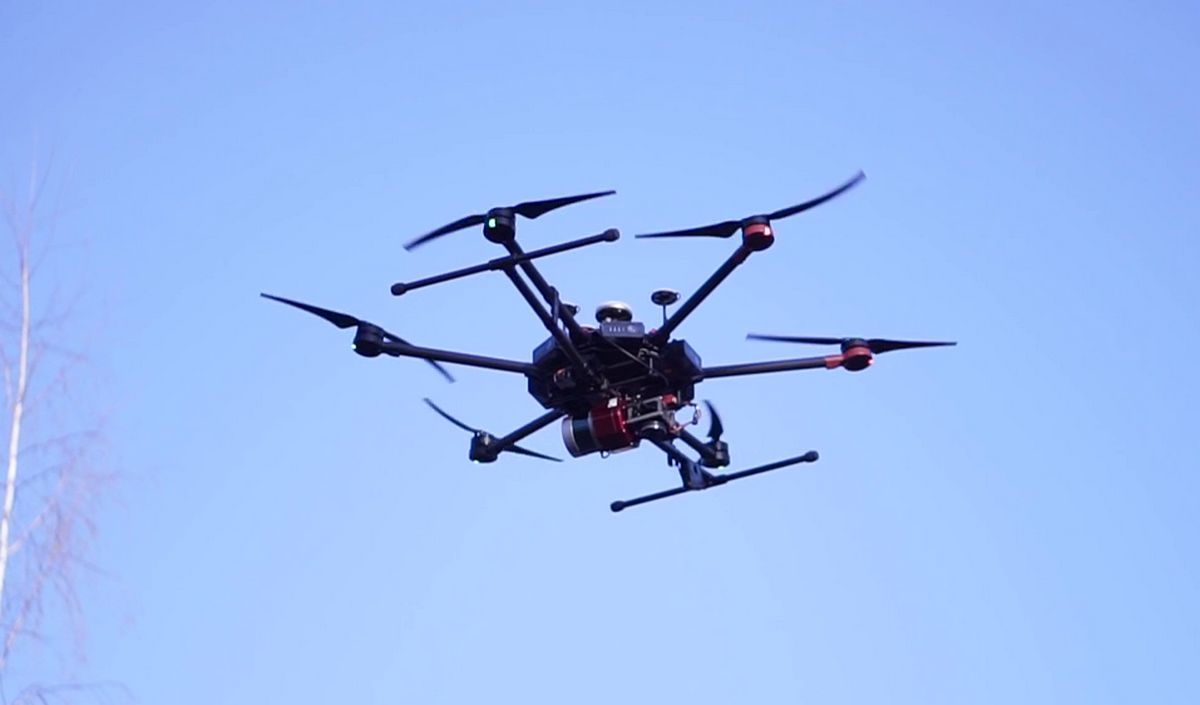
- Exploration and Drone Robots: Design of lightweight yet durable structures for drones, Mars rovers, or underwater robots, where every gram counts.
- Educational and DIY Robots: Democratization of robotics through the ability to print low-cost robot kits, enabling students and hobbyists to build their own creations.
- Soft Robotics: 3D printing, especially with flexible materials or bio-printing techniques, is fundamental to creating soft robots that can bend, stretch, and safely interact with complex environments or humans.
The Synergistic Future: Toward Ever Smarter and More Adaptable Robots
The integration of 3D printing into robotics continues to deepen. The emergence of multi-material printing and the direct integration of electronics into printed parts opens the door to "intelligent" robots where sensors and actuators are directly embedded in the structure. We can imagine robots capable of self-repair by printing their own parts, or robotic systems designed to be recycled and reprinted at end of life.
Additive manufacturing is far more than a simple production tool for robotics; it is an innovation partner. It empowers engineers and researchers to transcend traditional limitations, accelerate research and development, and build the robots of tomorrow: more agile, more customized, more performant, and better suited to the complex challenges of our world. The 3D printing and robotics duo is undoubtedly one of the driving forces behind technological advances to come.
Despite these spectacular advances, challenges remain, particularly the standardization of processes, strict regulation of 3D-printed medical devices, and research into the long-term biocompatibility of new materials.
However, the prospects are immense. 3D printing will continue to push the boundaries of personalized medicine, accelerate research, and make care more accessible and effective. It is a technology that promises not only to repair bodies, but also to enhance them, contributing to a new era of health and well-being.