3D Printing in Medicine: A Revolution for Healthcare
Technological innovation has always been a driving force behind medical progress. Among the most transformative advances of recent decades, 3D printing has emerged as a cornerstone of modern medicine, redefining diagnostic, therapeutic, and even surgical approaches. Far from being mere technical prowess, additive manufacturing is revolutionizing healthcare by enabling personalized care like never before, thereby improving treatment efficacy and patients' quality of life.

Why Is 3D Printing So Impactful in Medicine?
The human body is complex and unique to each individual. One-size-fits-all approaches in medicine quickly reach their limits. This is where 3D printing excels:
- Precise Personalization: 3D printing makes it possible to create medical devices, implants, and anatomical models that are perfectly adapted to a patient's specific morphology. This personalization improves fit, comfort, and clinical efficacy.
- Manufacturing Speed: Compared to traditional manufacturing methods, 3D printing can produce complex parts much more quickly, which is crucial in emergency situations or to accelerate treatment availability.
- Geometric Complexity: The ability to print highly complex geometries and sophisticated internal structures (lattices, porosity) opens the door to designs optimized for osseointegration, lightweight performance, or functionality.
- Cost Reduction: For personalized devices or small production runs, 3D printing can be more economical than conventional manufacturing methods that require expensive tooling.
- Use of New Materials: A wide range of biocompatible materials, from medical plastics to metals (titanium) to ceramics and hydrogels, is now 3D-printable, expanding therapeutic possibilities.
Revolutionary Applications of 3D Printing in Healthcare:
The impact of 3D printing is felt across multiple aspects of patient care:
1. Anatomical Models and Surgical Guides:
- Preoperative Planning: Using medical imaging (MRI, CT scan), 3D printing enables the creation of exact replicas of a patient's organs, skeleton, or tumors. Surgeons can visualize complex anatomy, plan delicate procedures, simulate gestures, and anticipate challenges before the actual operation.
- Medical Training: These models are excellent educational tools for medical students and early-career practitioners, allowing them to practice on realistic cases.
- Surgical Guides: Personalized templates can be printed to precisely guide the surgeon during osteotomies, drilling, or implant placement, increasing accuracy and reducing risks.
2. Personalized Prosthetics and Orthotics:
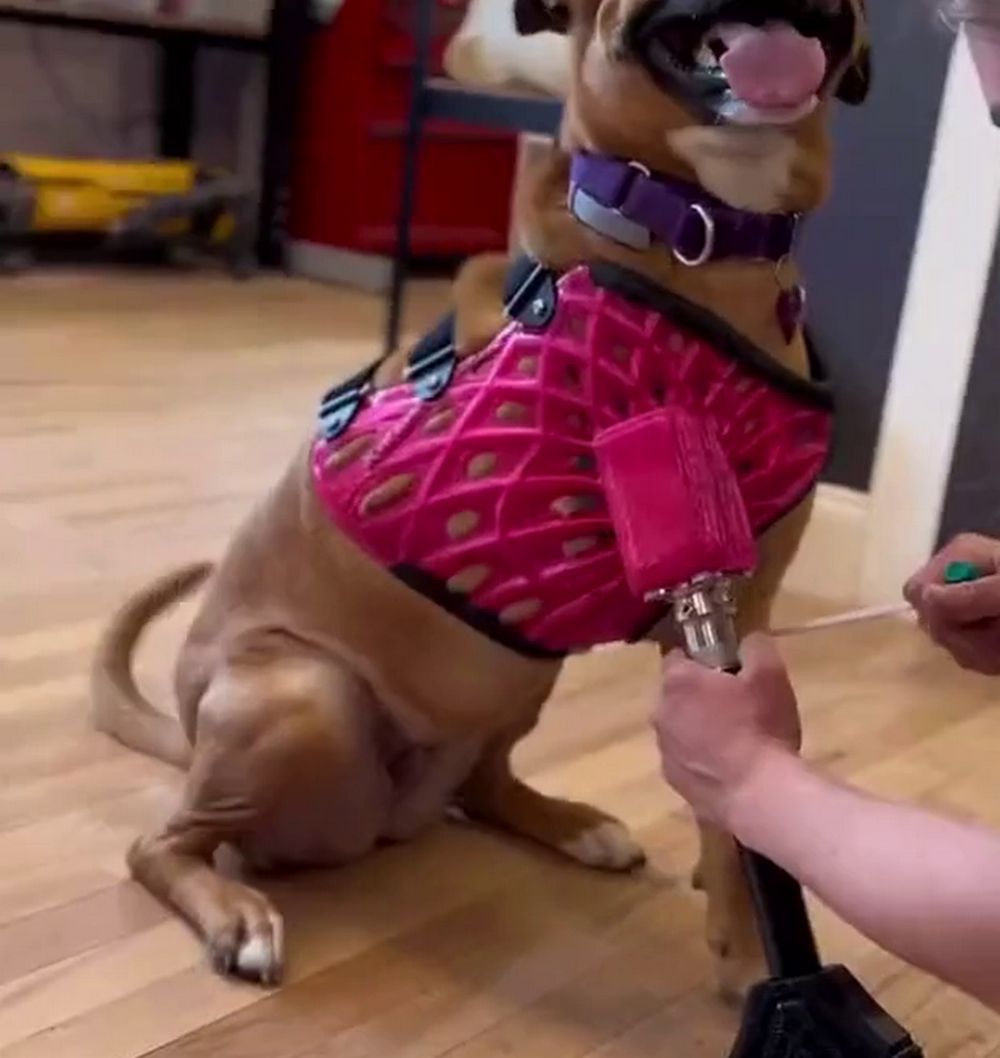
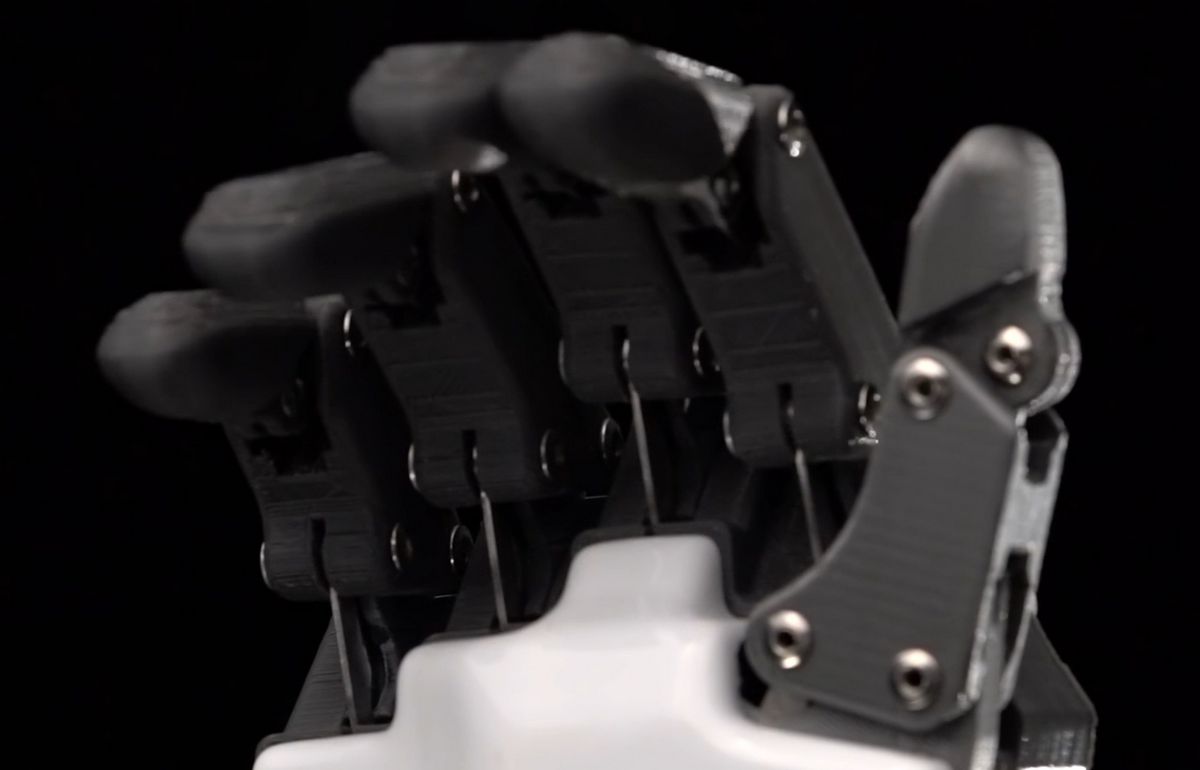
- Improved Comfort and Aesthetics: 3D printing has transformed the manufacturing of prosthetics (artificial limbs) and orthotics (splints, braces). Each device is designed and printed to fit perfectly the patient's unique anatomy, offering increased comfort and a more natural appearance.
- Speed and Cost: The process is faster and often more affordable than traditional methods, making these aids more accessible.
- Personalization for Children: Growing children can receive adjusted prosthetics and orthotics more frequently and at lower cost, tailored to their evolving needs.
3. Implants and Medical Devices:
- Cranial and Maxillofacial Implants: Damaged portions of skull or jaw can be replaced with custom-printed titanium or PEEK implants (a high-performance polymer), perfectly adapted to the patient's bone shape.
- Orthopedic Implants: Intervertebral discs, joint replacements, or bone wedges can be printed with porous structures promoting osseointegration.
- Specific Surgical Instruments: Creation of custom tools or accessories for complex or rare surgical procedures.
4. Bioprinting: The Future of Regenerative Medicine (Research):
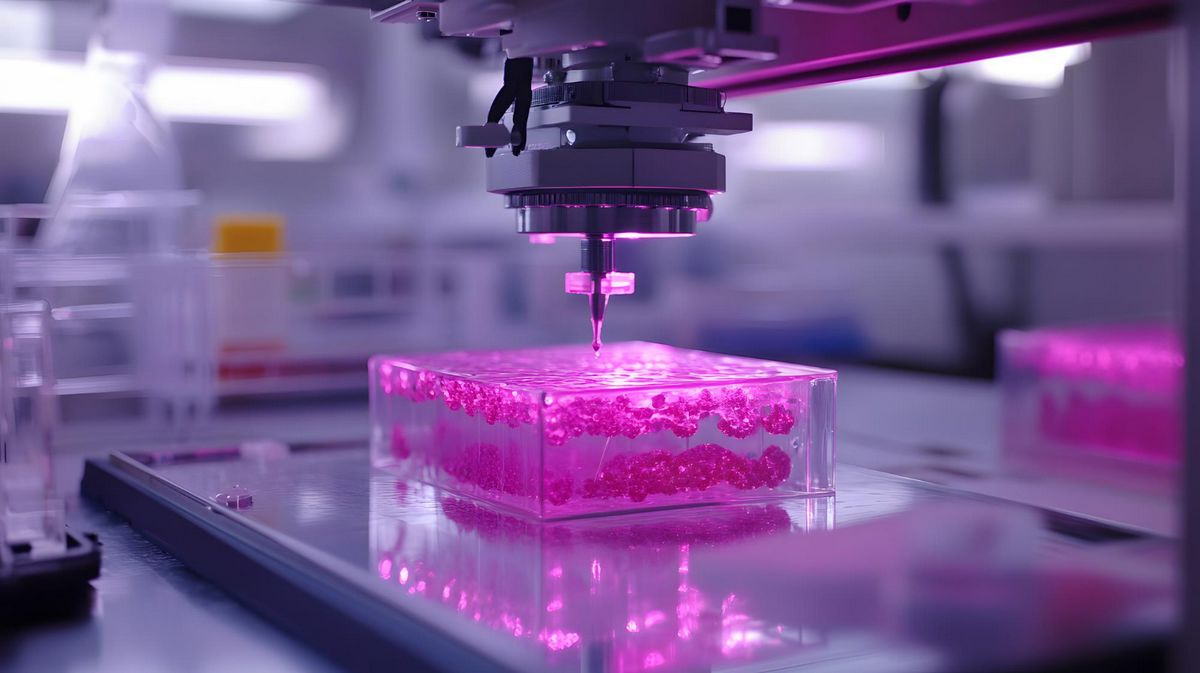
- Tissues and Organs: While still at the advanced research stage, bioprinting uses "bio-inks" (blends of living cells and biomaterials) to print tissue structures, even functional organs. The goal is to create cardiac patches, liver tissue for drug testing, and eventually complete organs for transplantation, eliminating rejection and donor scarcity issues.
- Disease Models: Printing diseased tissues in the lab enables better understanding of pathologies and testing of new drugs in a more ethical and effective manner.
Despite these spectacular advances, challenges remain, particularly the standardization of processes, the strict regulation of 3D-printed medical devices, and research into the long-term biocompatibility of new materials.
However, the prospects are immense. 3D printing will continue to push the boundaries of personalized medicine, accelerate research, and make care more accessible and effective. It is a technology that promises not only to repair bodies but also to enhance them, thereby ushering in a new era of health and wellness.