3D Printing and Formula 1: The Race to Innovation
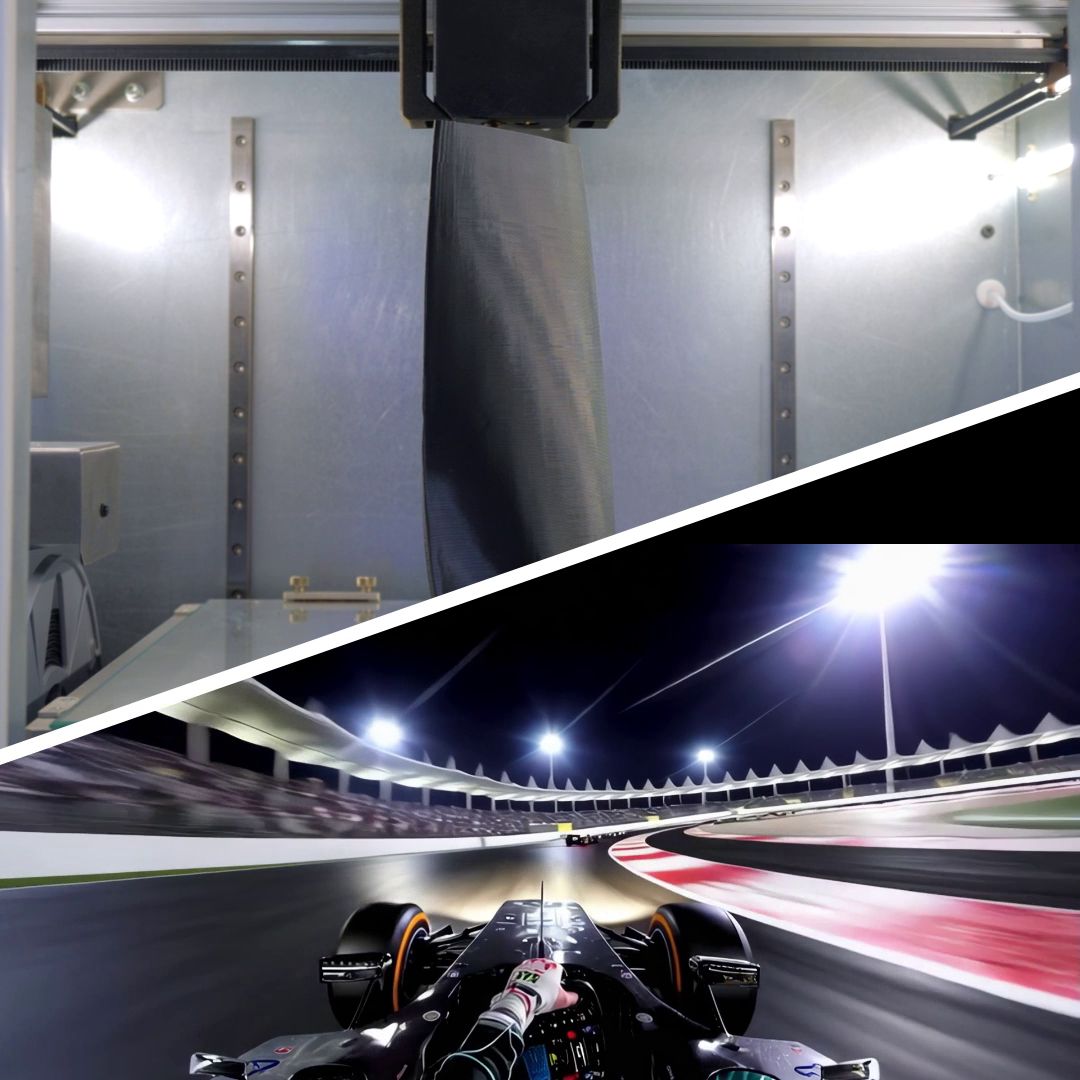
In the ultra-competitive world of Formula 1, every fraction of a second and every gram counts. For racing teams, the ability to innovate faster than the competition is the key to success. It's in this relentless pursuit of performance that 3D printing, or additive manufacturing, has become an indispensable tool, transforming how cars are designed, tested, and built.
From wind tunnel prototype to race car part
3D printing plays a role at every stage of single-seater development, from the first sketch to the final lap.

1. Ultra-rapid prototyping
Speed is the major advantage of 3D printing in F1. Teams use it to produce hundreds of parts per week for wind tunnel testing. Engineers can print scaled models of new wings, diffusers, or cooling ducts to validate aerodynamics in hours, where traditional methods would take days. Teams like Sauber Motorsports (Alfa Romeo) produce parts on the fly to test new configurations between races, gaining a crucial edge.
2. Final race part fabrication
3D printing is no longer just for prototypes. Thanks to advanced materials like titanium, high-performance aluminum, and technical polymers, it's used to manufacture final race parts.
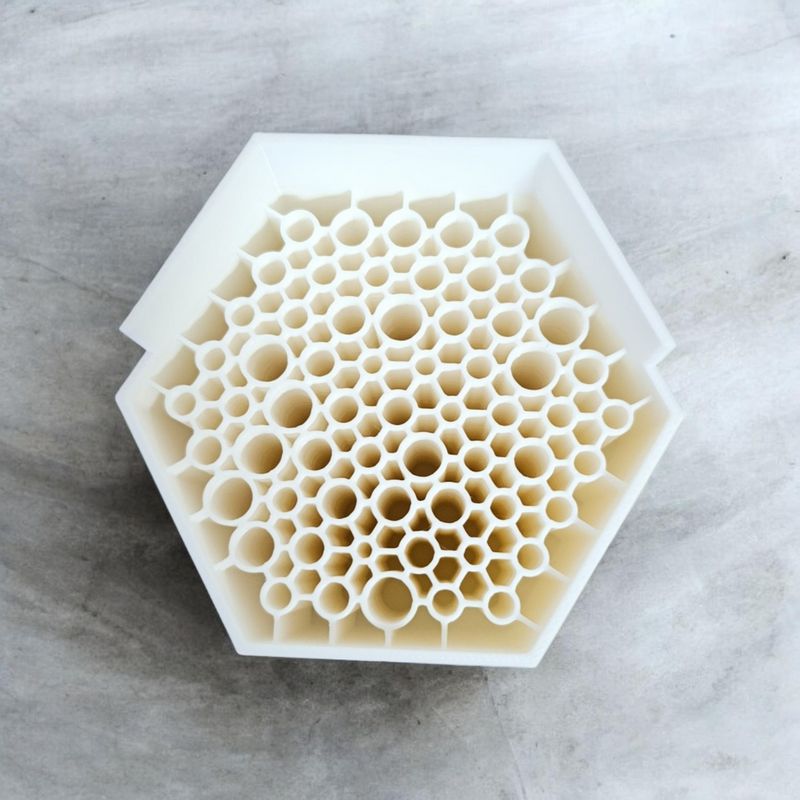
- Ultralight components: The technology enables complex geometries and lattice structures impossible to machine, which are both lighter and equally strong.
- Critical parts: FIA regulations now allow the use of 3D-printed parts, such as suspension arms in titanium or aluminum. Teams like Red Bull Powertrains and Alpine F1 Team also use additive manufacturing for engine cooling parts or complex internal components.
3. Tooling and precision molds
For composite parts, particularly carbon fiber, 3D printing is used to create custom molds and jigs. These tools are faster and cheaper to produce, speeding up manufacturing of aerodynamic parts, chassis, and other essential elements.
4. Driver customization
Driver comfort and ergonomics are essential. 3D printing enables the design and fabrication of bespoke components for perfect synergy between driver and machine:
- Custom steering wheels: Each wheel is unique, tailored to the driver's hand size and grip preference.
- Seat inserts: Custom-printed seat inserts mold perfectly to the driver's body, ensuring optimal support and maximum comfort during races.
Key benefits: a competitive edge
The adoption of 3D printing in Formula 1 is not a trend—it's a performance strategy built on:
- Time and cost savings: Rapid manufacturing allows teams to test more ideas in less time and avoid the costs of traditional tooling for prototypes.
- Unmatched design freedom: Engineers can create organic shapes and complex geometries to maximize aerodynamic performance, without machining constraints.
- Critical weight savings: 3D-printed parts are often lighter, a determining factor for single-seater speed.
In conclusion, 3D printing is a fundamental element of the Formula 1 ecosystem. It enables teams to push the boundaries of engineering, iterate at unprecedented speed, and ultimately gain the tenths of a second that make all the difference on the circuit.