3D Printing for Automotive Design and Prototyping

The automotive industry, traditionally known for its long development cycles and high prototyping costs, is undergoing a major transformation. 3D printing has become an indispensable tool for manufacturers and designers, enabling them to accelerate the design phase and push the boundaries of innovation. Far from being a mere gadget, additive manufacturing is now at the heart of the process, from the initial sketch to the final part.
From rapid prototyping to functional validation

The main strength of 3D printing lies in its ability to transform a digital file into a physical object in just a few hours. This speed is a major asset for automotive design.
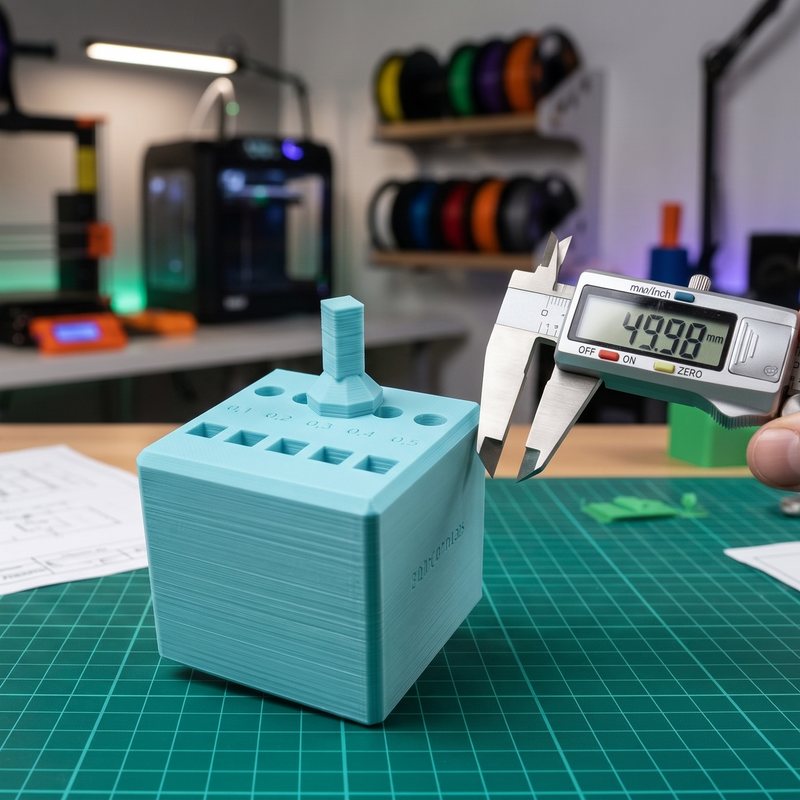
- Iterative prototyping: A designer can model a new dashboard or side mirror, print it in a few hours, hold it in their hands, and evaluate its ergonomics. If there's a flaw, they can modify the design and print it again the next day. This iterative process, once lengthy and expensive, is now fluid and efficient.
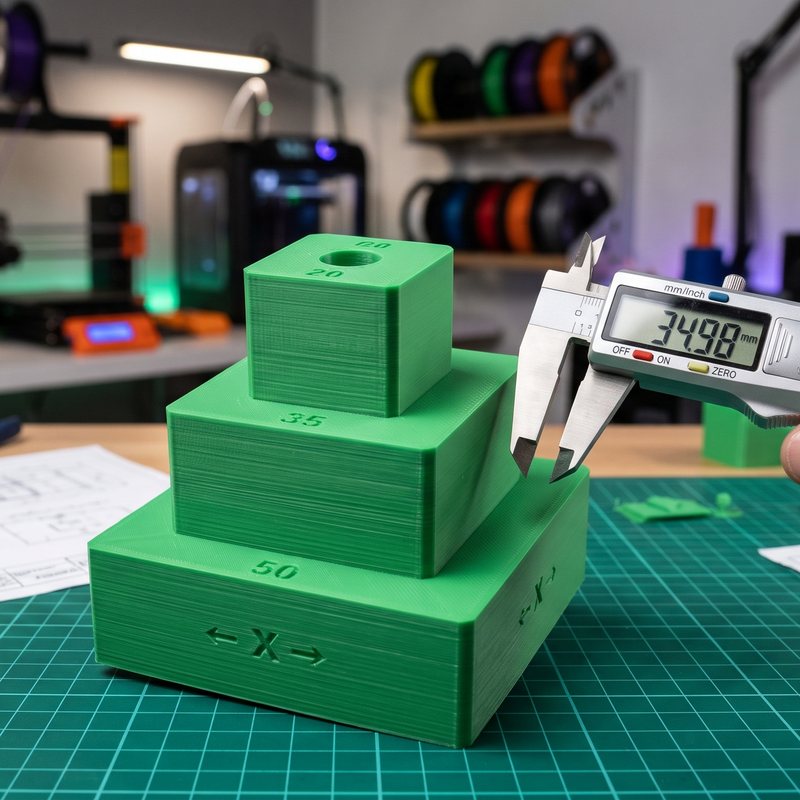
- Part validation: 3D printing enables the creation of functional prototypes to validate fit, form, and function. Engineers can print air ducts to check their flow, intake manifolds to test performance, or engine mounts to assess their strength before launching serial production.
From tooling to final production
The usefulness of 3D printing doesn't stop at simple prototyping. It's increasingly integrated into the production chain itself.
- Tooling and fixtures: Automotive factories use 3D printing to create fixtures, clamps, and custom tools for assembly lines. These parts, often complex and model-specific, are faster and cheaper to produce than with traditional methods.
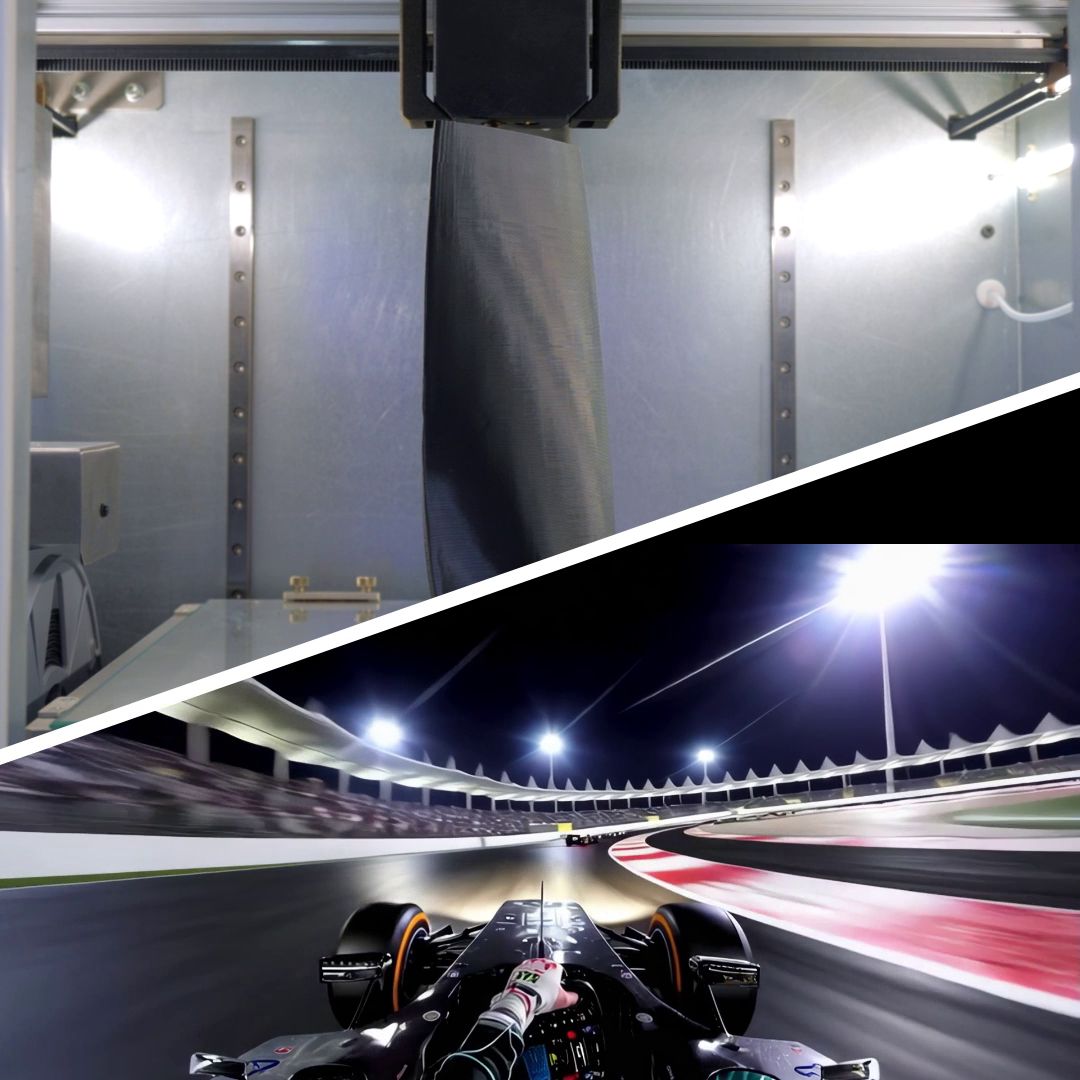
- Customization and performance parts: 3D printing is increasingly used for the production of final parts, especially for high-end vehicles. This allows for the creation of personalized interior components for customers, unique grille designs, or complex, lightweight parts for race cars (such as in Formula 1).
Key advantages for the automotive industry
Integrating 3D printing is not a choice, but a strategic necessity that offers concrete benefits.
- Cost and time reduction: 3D printing eliminates the need to create expensive molds or tools for each prototype. This can cut design timelines in half or even by ten times, while significantly reducing costs.
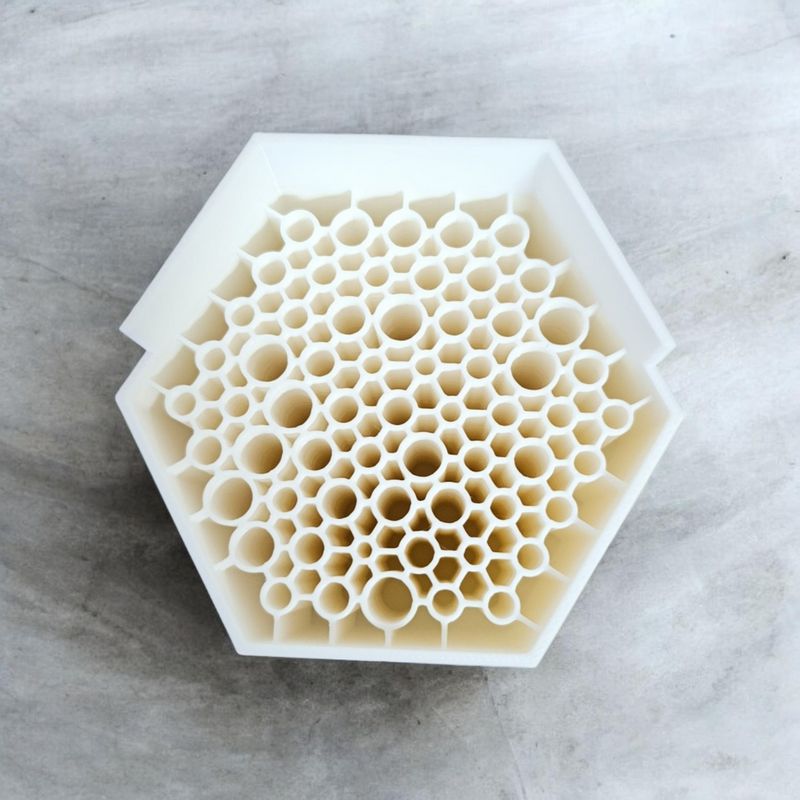
- Design freedom: This technology allows designers to break free from the constraints of traditional manufacturing methods. They can create organic shapes, complex lattice structures, and ultra-lightweight parts, optimized for performance.
In short, 3D printing is a catalyst for innovation in the automotive industry. It makes the creation process faster, cheaper, and more free, allowing manufacturers to move from idea to road-ready car with unprecedented efficiency.