3D Printing in the Motorcycle World
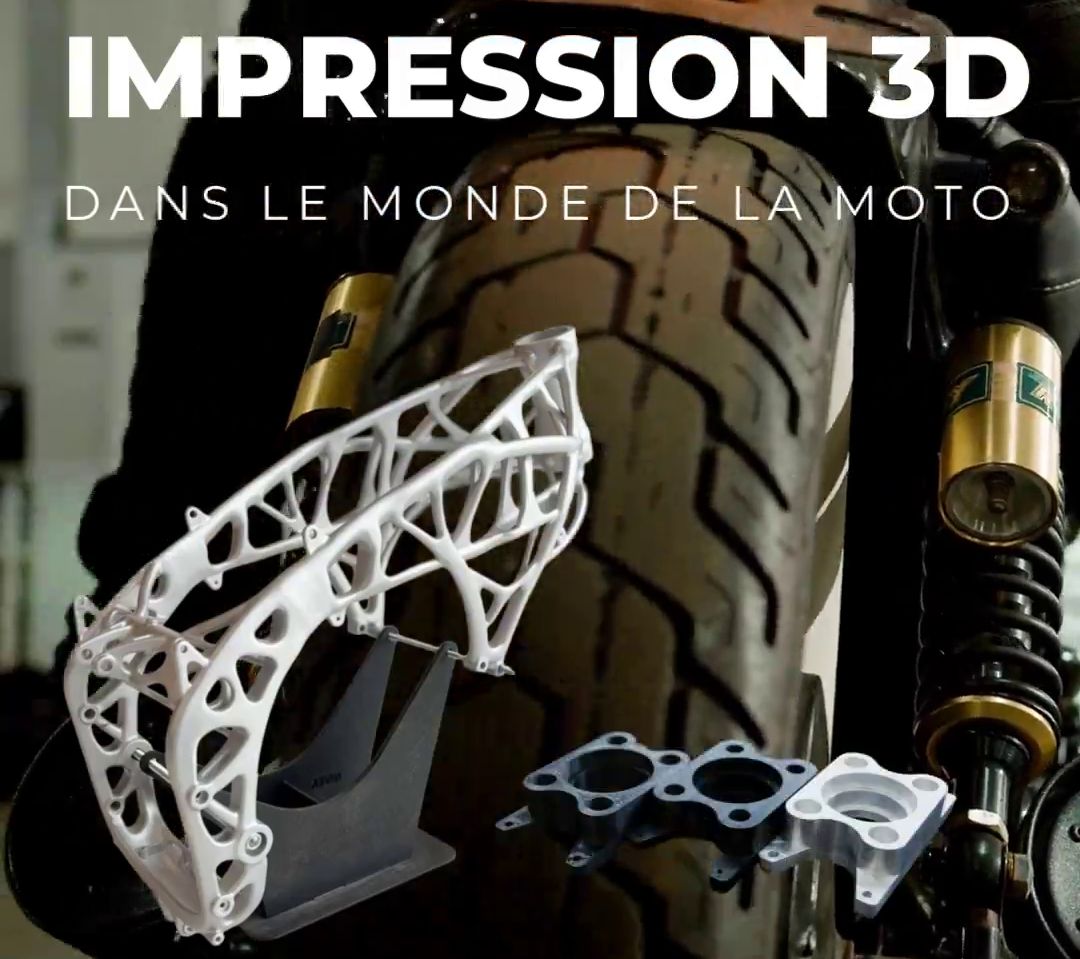
The world of motorcycles, with its culture of performance, customization, and mechanical innovation, is the perfect playground for 3D printing. Far from being limited to toys and gadgets, this technology has fundamentally transformed how professionals design and enthusiasts maintain their bikes. 3D printing is now the tool that allows ideas to reach the road faster and with more creativity than ever before.
3D Printing Serving the Motorcycle Industry

Major manufacturers and renowned builders were among the first to adopt 3D printing for its undeniable advantages.
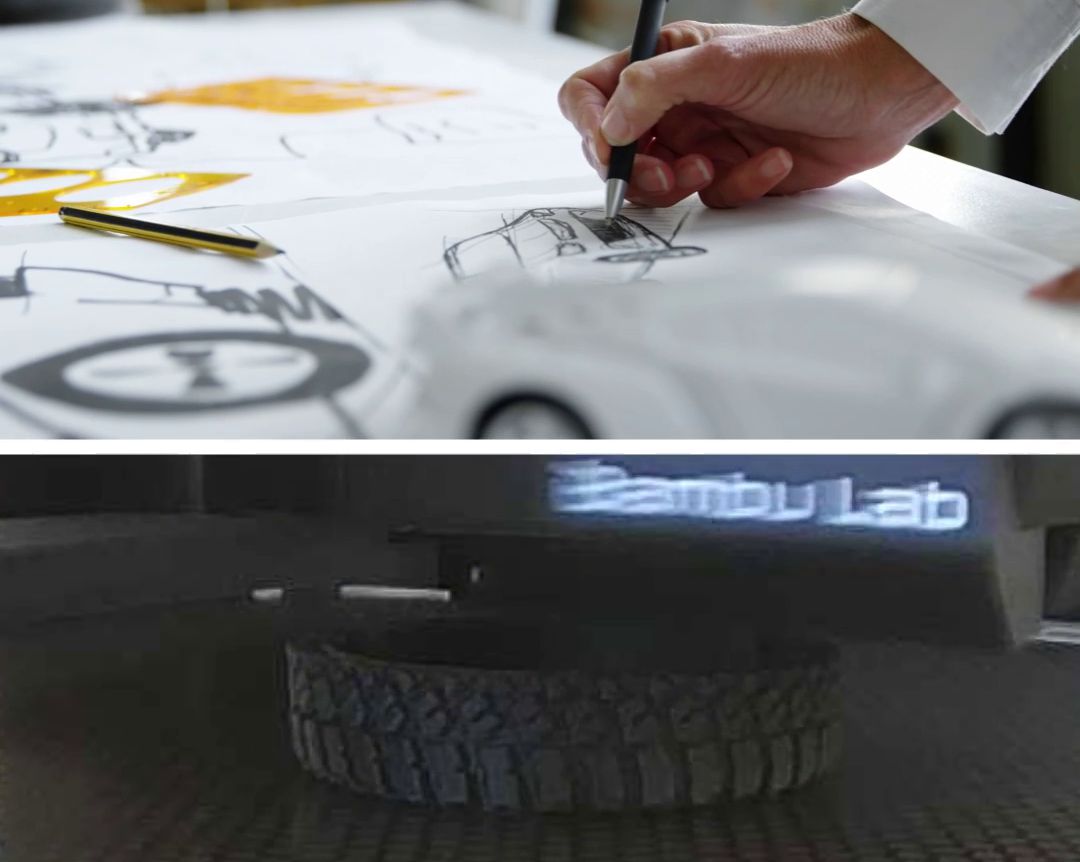
- Rapid prototyping: Before mass production, every new part—whether it's a fairing, engine mount, or design element—can be printed in just a few hours. This allows designs to be tested and validated quickly, dramatically reducing development timelines.
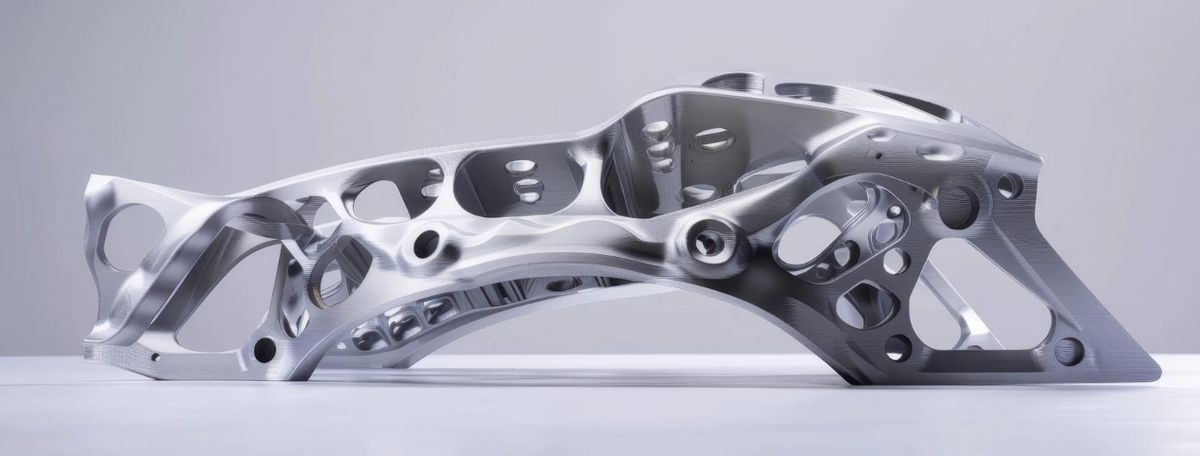
- Complex and lightweight parts: 3D printing enables the creation of complex geometries, such as internal channels or honeycomb structures, impossible to achieve with traditional methods. The result? Lighter parts with the same strength, improving the overall performance of the motorcycle.
- Customization and limited editions: For high-end models or collector bikes, 3D printing makes it possible to produce unique or very small batch parts without the costs and lead times of traditional molding tooling.
3D Printing for Racing: The Performance Advantage
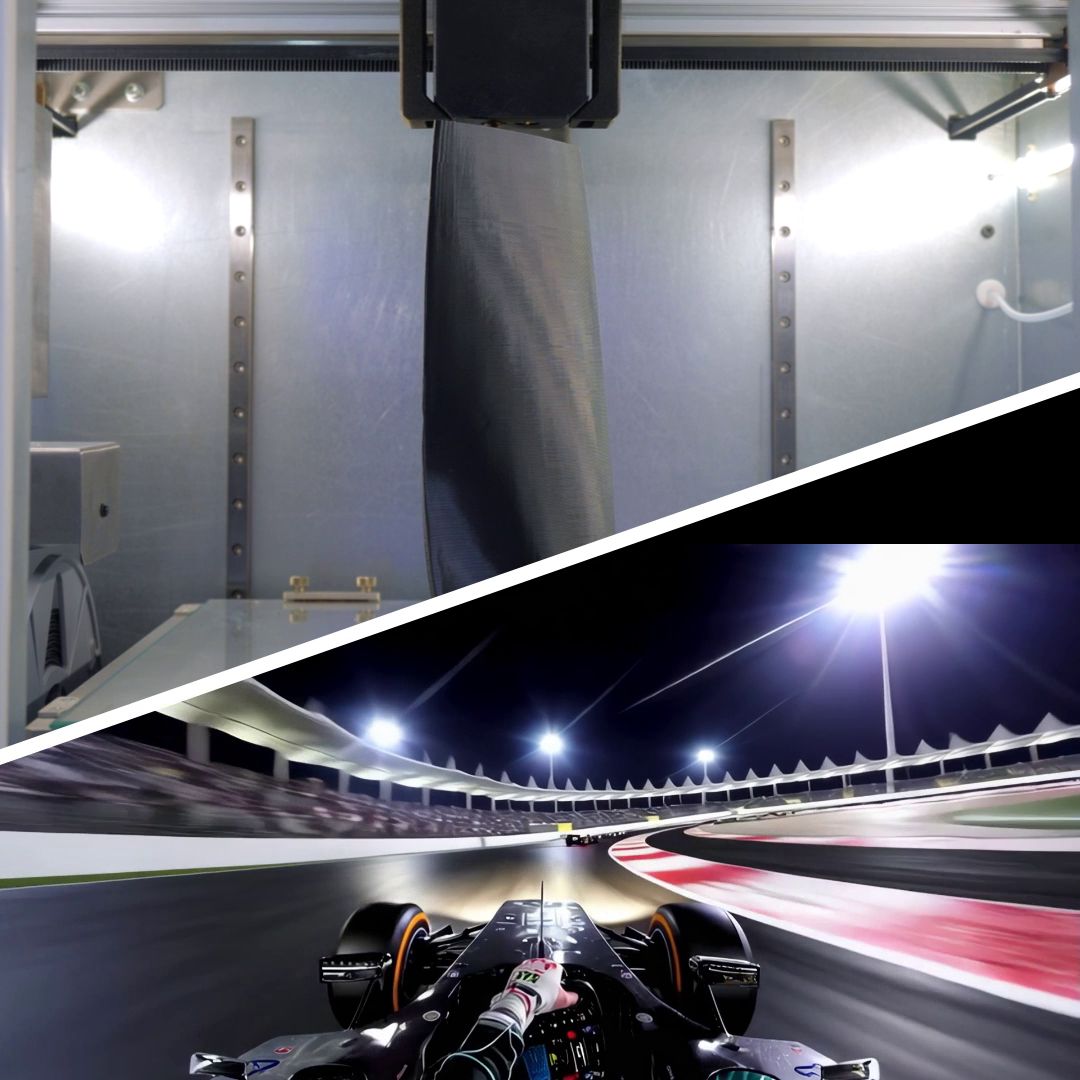
In the world of competitive racing, 3D printing has become a strategic tool for shaving off fractions of a second. Racing teams use it to rapidly design and manufacture parts that optimize performance. This includes custom air intake ducts to maximize airflow, lightweight mounts for electronic housings, or aerodynamic fairings tailored to a specific track. 3D printing allows teams to react quickly and iterate on a part's design overnight, giving them a decisive edge on the track. For critical components, advanced materials like carbon fiber-reinforced filaments are often used to ensure maximum strength for minimal weight.
The Ultimate: 3D Printing Metal Motorcycle Parts
The pinnacle of 3D printing for motorcycles lies in the fabrication of metal parts. Using technologies like selective laser melting (SLM), it's possible to create components in titanium, aluminum, or stainless steel. These parts offer superior mechanical strength and durability, often lighter than their machined counterparts. This method is used for critical engine parts or frame mounts where performance and reliability are non-negotiable. While this technology remains expensive and reserved for professionals and renowned builders, it pushes the boundaries of what's possible to build on a motorcycle.
Article on metal printing: "3D Metal Printing: A Revolution in Industrial Manufacturing"
3D Printing for Enthusiasts and DIY Builders
In any rider's garage, a 3D printer is a genuine asset. It offers complete creative freedom, far beyond standard parts catalogs.
- Custom personalization: Express your style! You can print unique aesthetic pieces like custom fuel tank covers, personalized chain guards, radiator grilles with your logo, or ergonomic brake lever extensions.
- Repair and replacement: A rare plastic part or out-of-production component is broken? Through 3D modeling and printing, you can recreate an exact replica—a headlight mount, fairing clip, or any other part—giving your bike a second life.
- Functional accessories: Create mounts for your phone or GPS perfectly adapted to your bike's handlebars, action camera mounts, or custom protective covers for the most exposed parts of your machine.
Materials and Best Practices for Motorcycles
Choosing the right filament is crucial, as motorcycle parts face intense stresses: vibration, heat, weather, and UV exposure.
- Recommended filaments:
- PETG: An excellent choice for its durability and good resistance to heat and moisture. It's ideal for mounts and fastening parts.
- ABS / ASA: These filaments are perfect for exterior parts thanks to their high heat and UV resistance. ASA in particular is widely used in the automotive industry for its outdoor durability.
- Carbon fiber-reinforced filaments: For parts requiring extreme strength and minimal weight (like engine guards or fairings), these composite materials are a preferred choice.
- Finishing and post-processing: Parts exposed to the elements should be treated. After sanding, apply a primer followed by automotive paint and protective clear coat. This ensures not only perfect aesthetics but also lasting protection against sun and rain.
In conclusion, 3D printing is democratizing innovation and customization in the motorcycle world. It's a valuable asset for professionals, but especially for every enthusiast looking to make their machine truly their own by creating custom, reliable, and unique parts.