The Different Types of Resins in 3D Printing
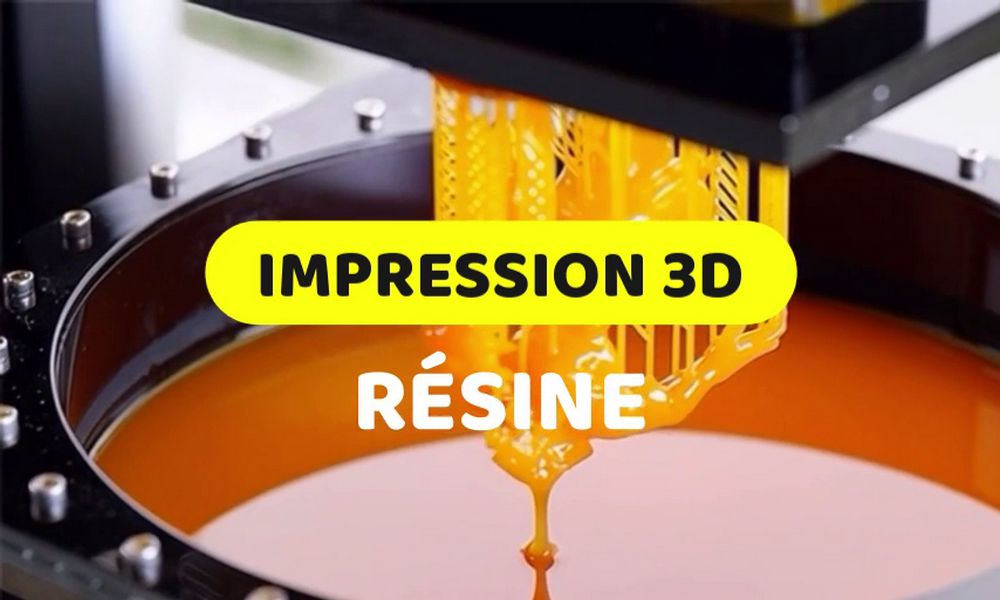
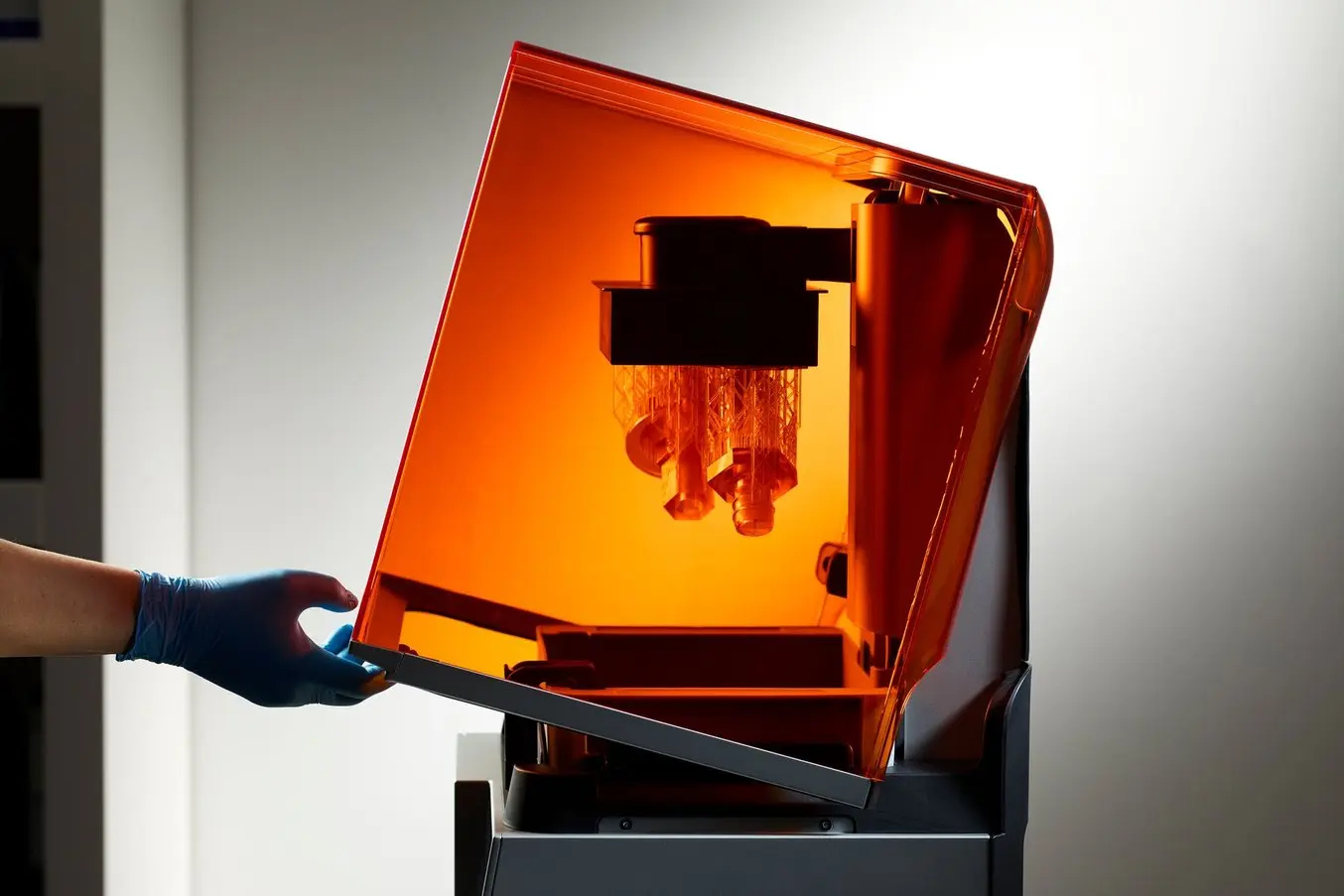
3D printing by photopolymerization (SLA, DLP, or LCD technologies) uses liquid resins that harden when exposed to UV light. Choosing the right resin is more critical than selecting filament for FDM printing, as it determines not only the aesthetics and detail level, but also the mechanical properties, durability, and in some cases the safety of your finished part.
Resins can be classified into two main categories: Standard resins and Technical resins.

1. General-Purpose Resins (Standard and Everyday Use)
These resins are the most widely used and offer an excellent balance between cost, ease of printing, and detail quality.

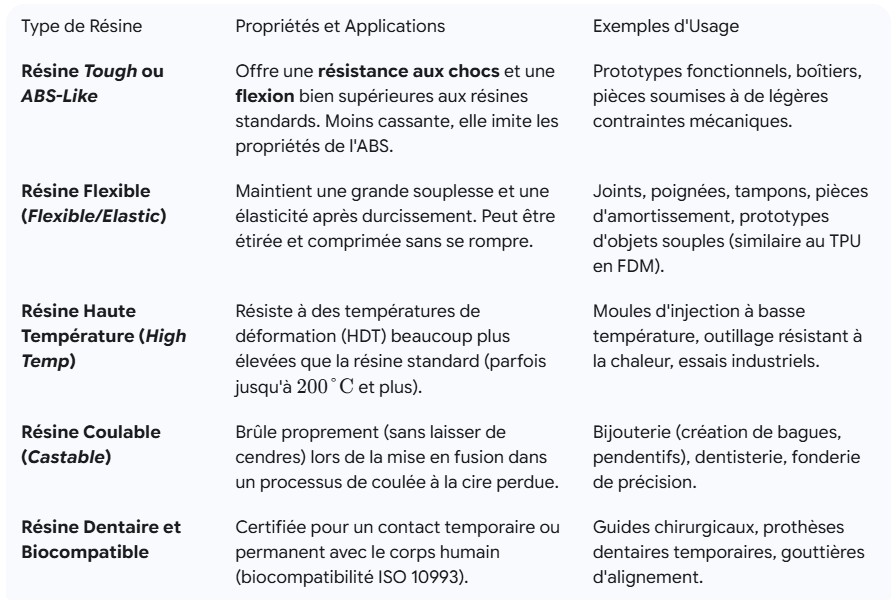
Technical and Specialized Resins
These resins are designed for specific applications requiring particular mechanical or chemical properties. They are generally more expensive but deliver superior performance.
Conclusion: Choosing Your Material
To select the resin that best fits your needs, it's essential to define the intended use of your part:
- Beauty and Detail with No Constraints: Standard or Water-Washable Resin.
- Impact Resistance and Functionality: Tough or ABS-Like Resin.
- Body Contact or Food Contact: Certified Biocompatible Resin.
Whatever resin you choose, always follow safety guidelines (gloves, safety glasses, proper ventilation) and perform thorough post-processing (cleaning and UV post-curing) to ensure best results.