Dual-Head 3D Printing: Mastering Multi-Material Prints
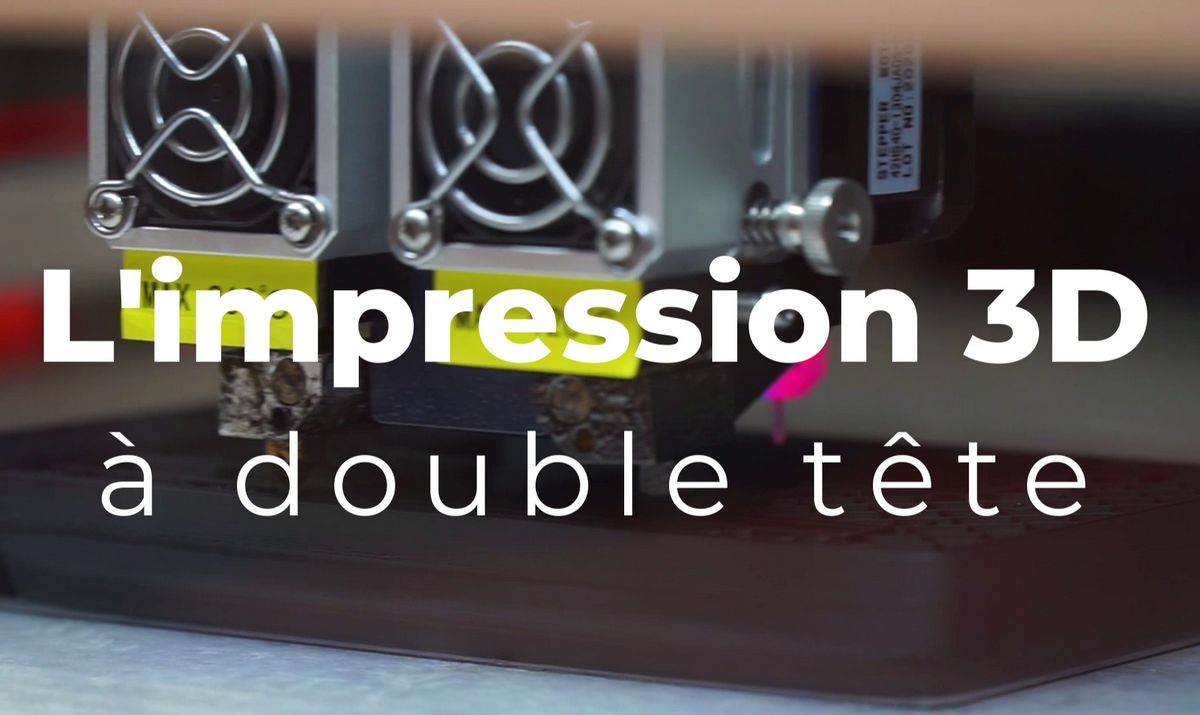
Single-nozzle 3D printing has its limits. For enthusiasts and professionals looking to push the boundaries of creation, the solution often lies in using a dual-head extruder printer. This system allows you to print simultaneously with two different filaments, opening the door to complex, functional projects that are visually richer.

The main advantages of dual extrusion
A dual extrusion system, though more complex, offers unique capabilities:
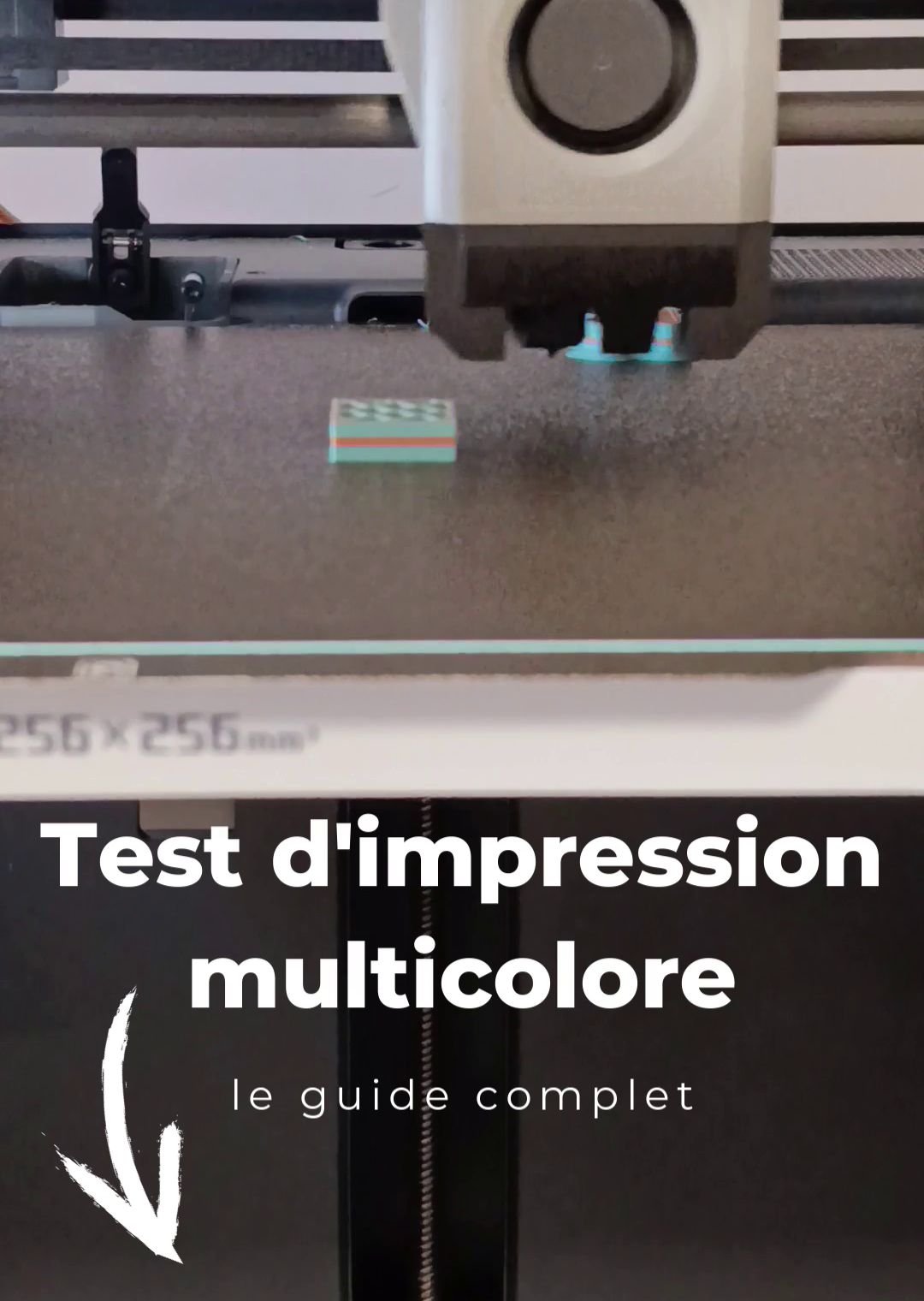
- Multi-color printing: This is the most obvious application. The printer can switch between extruder heads to print a single part with two distinct colors, allowing you to create logos, text, or patterns without having to paint the part after printing.
- Multi-material printing: The dual head lets you combine the properties of different filaments. For example, you can create a rigid part in PLA with a flexible section in TPU (thermoplastic polyurethane), ideal for a tool or handle.
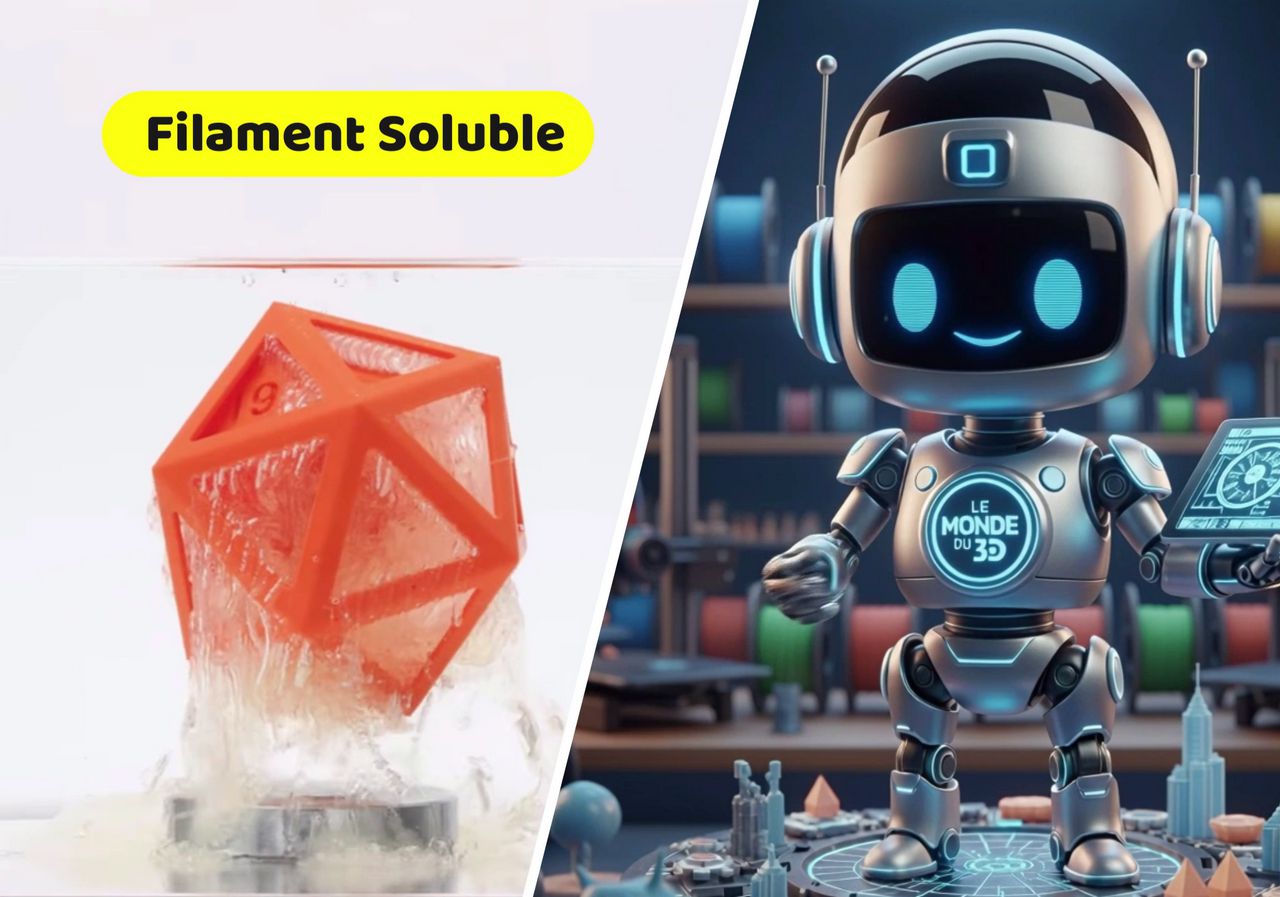
- Soluble supports: This is the most revolutionary advantage for complex parts. One head prints the object with standard filament, while the other prints supports with a water-soluble material like PVA. Once printing is complete, simply soak the part in water and the supports dissolve, leaving no marks or damage to the object. It's the ideal solution for complex geometries or parts with internal cavities.
Technical challenges and calibration
A dual-head system requires greater precision in setup and tuning.
- Weight and speed: The extruder head is heavier, which can reduce print speed and increase the risk of ghosting (image shift).
- Calibration: Calibration is a crucial process. Both nozzles must be perfectly aligned on the X, Y, and Z axes. Even a slight offset can cause layer defects and poor color rendering.
- Oozing: The inactive nozzle can leak small amounts of filament. To prevent this, dual-head printers often use very precise retraction settings and a purge tower to clean the nozzle before printing.
Practical applications
The possibilities are vast for both enthusiasts and professionals:
- Functional prototyping: Create prototypes of mechanical parts with rubber or hard plastic sections.
- Design and art: Print complex figurines or artwork with different patterns or colors for each section.
- Custom manufacturing: Create parts with complex supports that would be impossible to remove using traditional methods.
In conclusion, dual-head 3D printing is a powerful tool for anyone who wants to push the limits of creation. While it requires some expertise in calibration, the results it delivers are of a complexity and quality that are impossible to achieve with a single nozzle. It's the next step for anyone looking to take their hobby or business to the next level.