Create Your 3D Printed Tic-Tac-Toe!
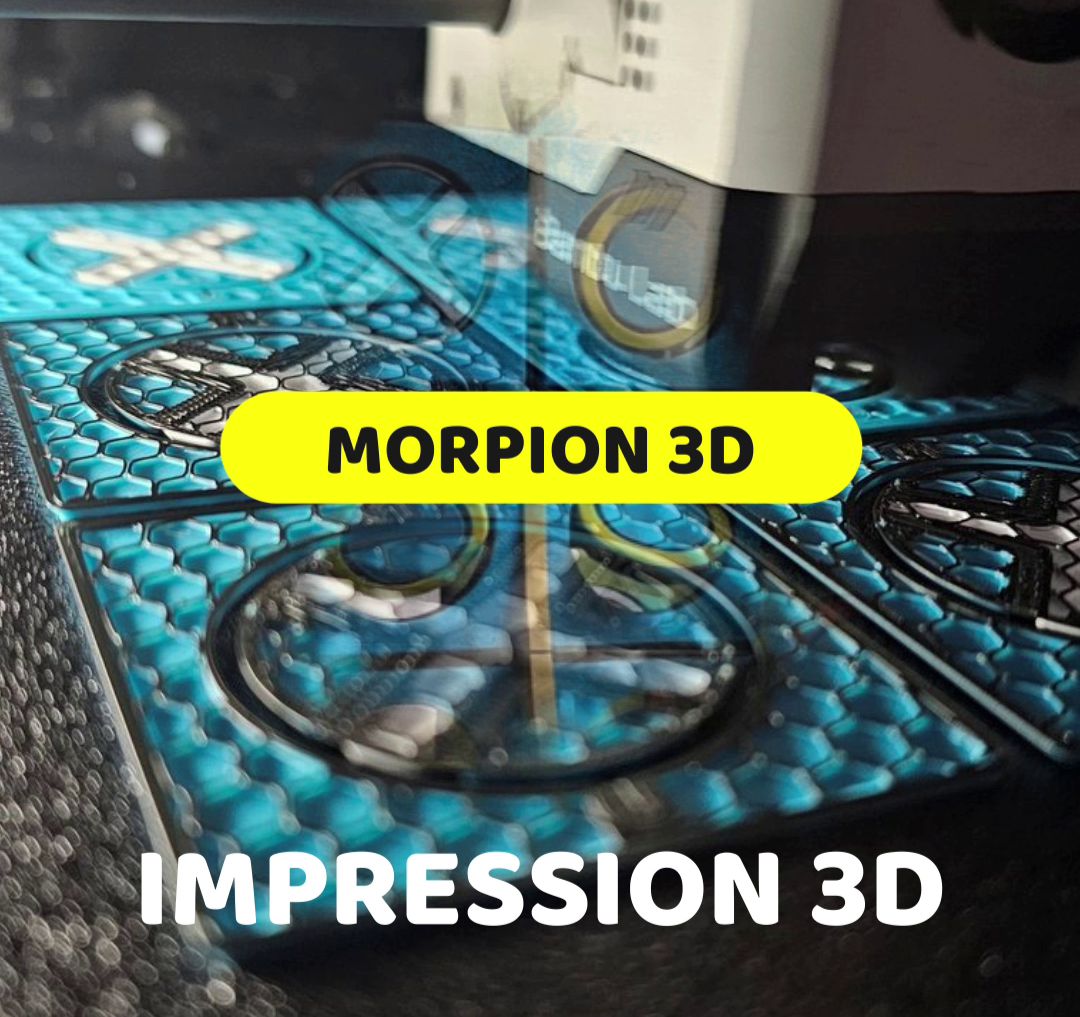
Tic-tac-toe is a timeless classic—the first strategy game many children learn. Its genius lies in its simplicity, but 3D printing breathes new life into it, transforming a simple pencil-and-paper game into a tactile, playable object that's genuinely elegant. Printing a tic-tac-toe set in 3D is your chance to create a durable, fully customizable game that's perfect for spontaneous matches and meaningful gifts.

(Image and 3D File Source: NSprints via MakerWorld)
Simple 3D Design: Board and Pieces
Tic-tac-toe consists of a grid and two piece types (the "X" and "O"). The beauty of 3D printing is making these elements sturdy and genuinely satisfying to hold.
- The Board:
- Integrated Grid: Most models print the grid directly into a solid base. PLA is perfect for this, delivering a stable surface.
- Magnetic Grid: For a clever touch, some designs include small pockets for neodymium magnets (inserted during a mid-print pause or glued afterward). This lets pieces "click" into place, adding that premium feel.
- Colors: Print the board in a neutral shade (gray, wood-tone) or go bicolor for the grid lines if your printer supports it.
- The Pieces ("X" and "O"):
- Clear Shapes: "X" and "O" are simple forms that print with crisp definition.
- Customization: This is where 3D printing truly shines! Instead of plain "X" and "O", print:
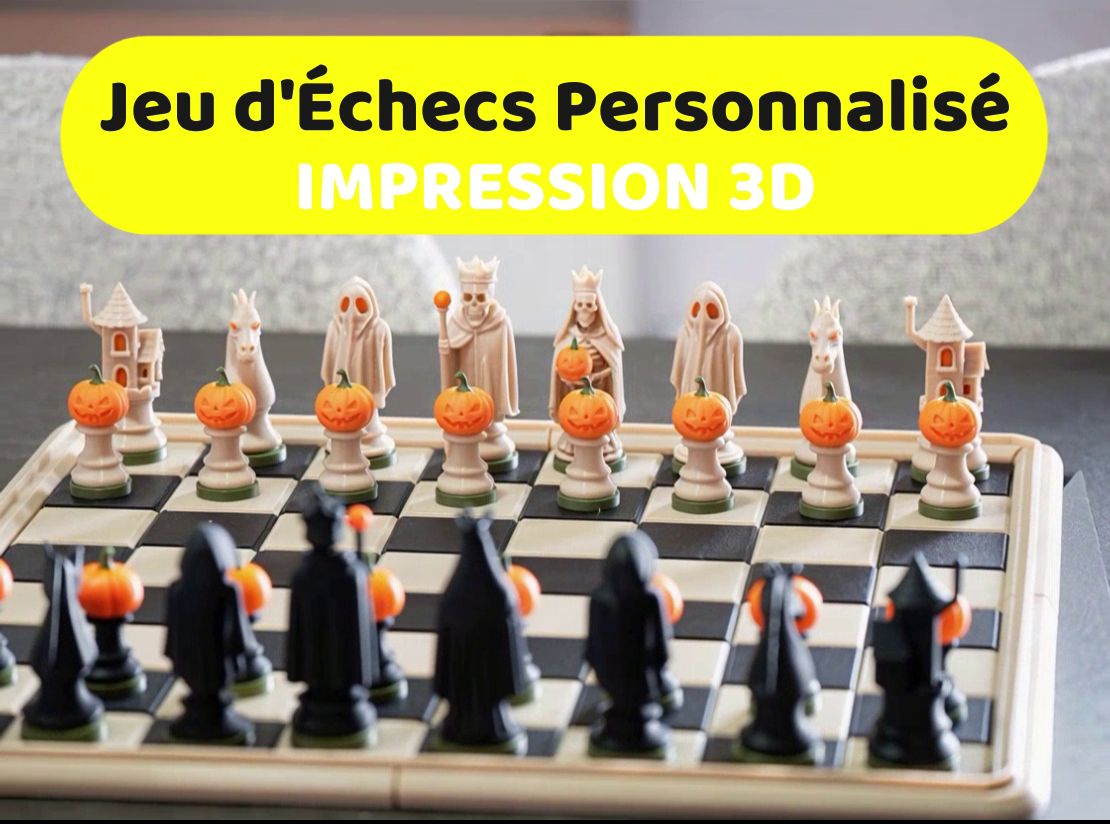
- Tiny skulls and pumpkins for Halloween.
- Sports team logos.
- Stylized miniature characters.
- Pieces with embossed text or icons.
- Weight: For a better feel in hand, add heft to pieces by inserting small nuts or ball bearings in their base (using a mid-print pause).
Materials and Colors: Game Aesthetics
Color choice is essential for an appealing tic-tac-toe set.
- PLA: The go-to material for ease of printing and endless color options.
- Use two contrasting colors for "X" and "O" pieces—think red and blue, or timeless black and white.
- Silk PLA (for glossy metallic look) or Marble PLA (for a stone effect) can add a premium touch to your game.
- PETG: More durable and slightly more flexible, PETG is a solid choice if the set will see heavy play, especially if pieces are thin-walled.
- Multi-Color Printing: If your printer has dual extrusion or a multi-material system (AMS), you can print the board with crisp black-and-white grid lines or even pieces with one color outline and another interior—the possibilities are endless.
Optimization for Printing and Durability
- Tolerances: Make sure "X" and "O" pieces fit snugly into board squares. Leave a slight clearance of around 0.2 mm in your model to account for print precision and slight over-extrusion.
- Layer Height: A 0.2 mm layer height strikes a good balance between detail and speed. For very thin or intricate pieces, drop to 0.12 mm.
- Infill: 15–20% infill is plenty for pieces and board alike—strong enough yet lightweight.
Printing a tic-tac-toe set in 3D is an excellent project for beginners and seasoned makers alike. It's a simple way to transform a childhood game into a unique decorative piece, a thoughtful personalized gift, or a practical travel game that's built to last.