Making Your Own Custom 3D Printed Chess Set ♟️
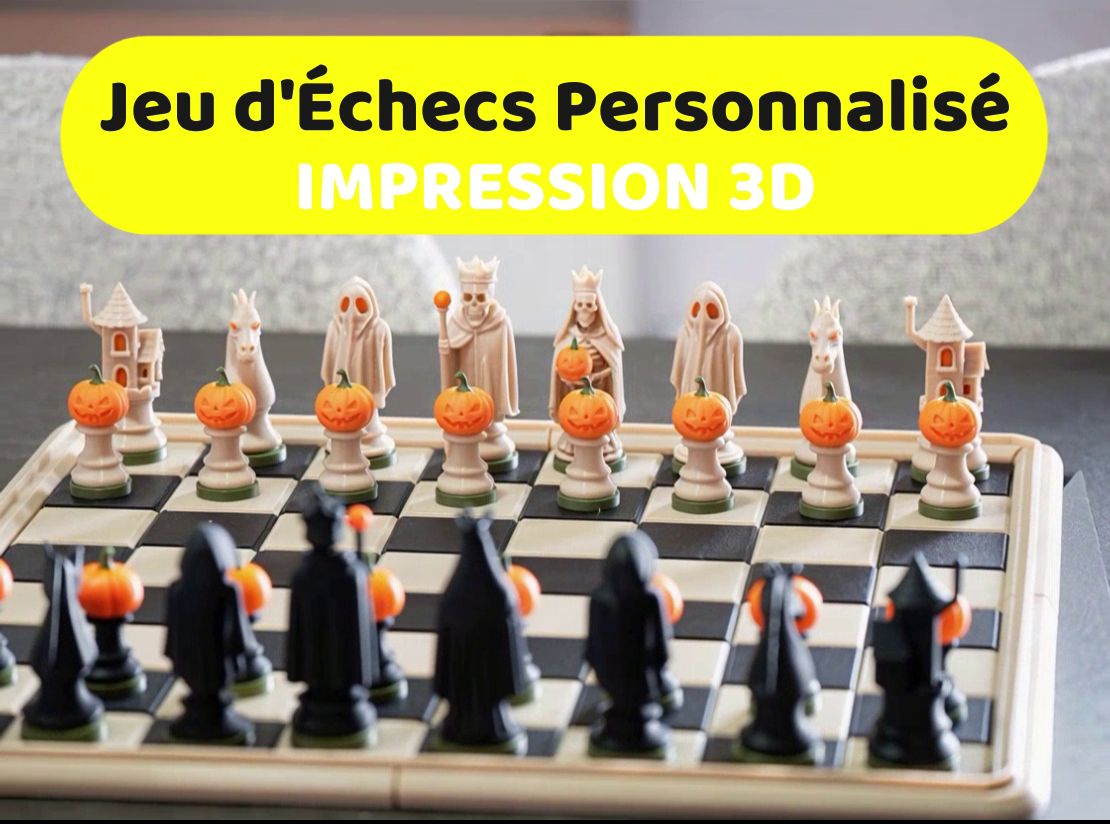
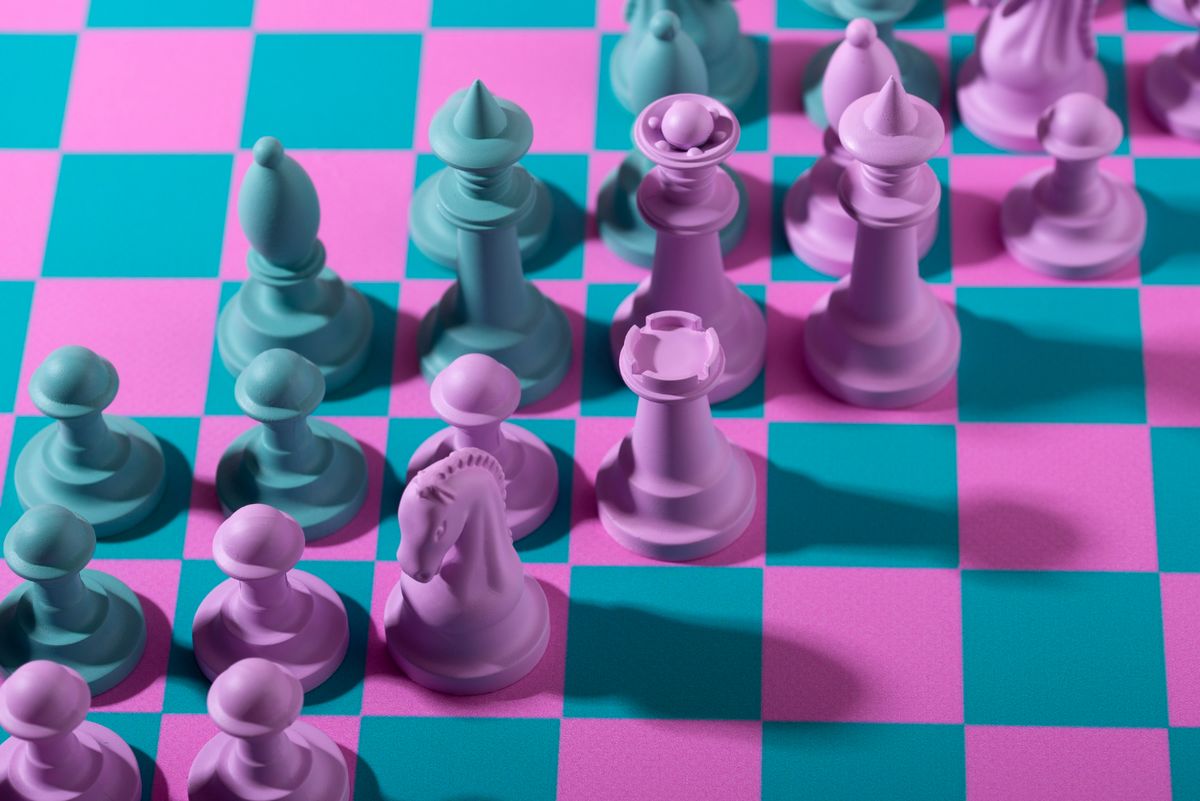
3D printing has transformed the manufacturing of functional and decorative objects, and the chess set is the perfect example of this customization. More than just a pastime, creating your own chess set with 3D printing is a rewarding project that combines design, strategy, and craftsmanship. Whether you want pieces inspired by fantasy, science fiction, or architecture, additive manufacturing offers unlimited freedom.

(Image Source and 3D File: WrapDesign via MakerWorld)
Why Print a Chess Set in 3D?
3D printing offers several advantages that surpass buying a standard set:
- Total Customization: Each piece (King, Queen, Bishop, Knight, Rook, Pawn) can be thematic. Imagine a set based on Star Wars (Vader vs. Luke), ancient Egypt, or Cyberpunk style.
- Unique Design: You have access to unique models created by 3D artists or can model your own design, creating a one-of-a-kind collectible piece.
- Materials and Weight: You control the filament type and infill density. The weight of pieces is crucial for chess; 3D printing allows you to add metal inserts (nuts, ball bearings) in the base of pieces to make them heavier and give them better stability, mimicking the feel of luxury sets.
Choosing Your Technology and Filament
The quality of your set depends on the type of printer you use.
A. FDM Printers (Filament)
- Advantages: Affordable and ideal for printing the entire build plate (often in four sections) and pieces. PLA is perfect for its rigidity and wide range of colors.
- Colors and Finish: Print both sides in two contrasting colors (Black/White, Gold/Silver, Red/Blue). Use special filaments like Silk PLA (for a glossy, luxurious effect) or Marble/Wood PLA (for a rustic or classic look).
B. Resin Printers (SLA/DLP)
- Advantages: Resin's precision is unmatched for highly detailed pieces (especially Knights and Bishops). The finish is smooth and requires minimal sanding.
- Drawbacks: More expensive, and the build plate is usually too small to print the entire board.
The Chessboard: An Assembly Project in Itself
The game board is often the biggest challenge of the project, but also the most rewarding:
- Modular Board: The board is typically divided into or sections to fit on a desktop machine. Sections are designed with interlocking systems (keys or hinges) for solid, invisible assembly.
- Dual-Color Board:
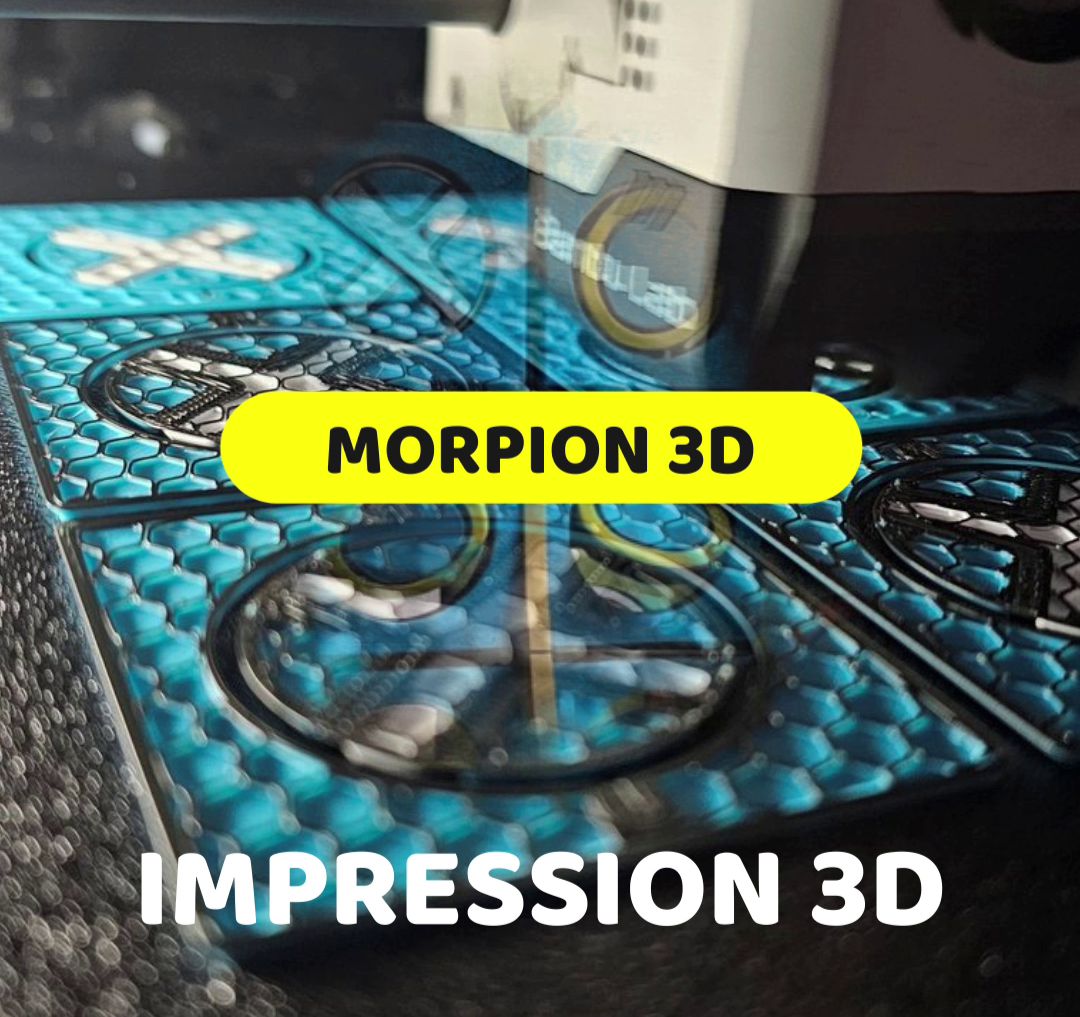
- FDM Method: Use multi-material printers (like Bambu Lab's AMS system) to print black and white squares with a single file.
- Single-Layer Method: Print a base in one color, then print the contrasting squares separately and glue them (or clip them) into precise slots on the base.
Tips for a Collectible-Quality Set
- Stability and Weight: To add weight to your pieces, use the Pause feature in your slicing software. Have the printer stop halfway through the base and insert lead putty, ball bearings, or nuts before resuming the print.
- Protection: After printing, glue felt or velvet pieces to the base of each piece to protect the board and improve sliding.
- Finishing: Even with PLA, a coat of primer and metallic paint (Gold or Bronze) applied with dry brushing can transform plastic into a work of art.
Printing your own chess set isn't just about saving money—it's an opportunity to add a highly personal and functional object to your collection.