How 3D Printing Is Revolutionizing Prosthetics Manufacturing
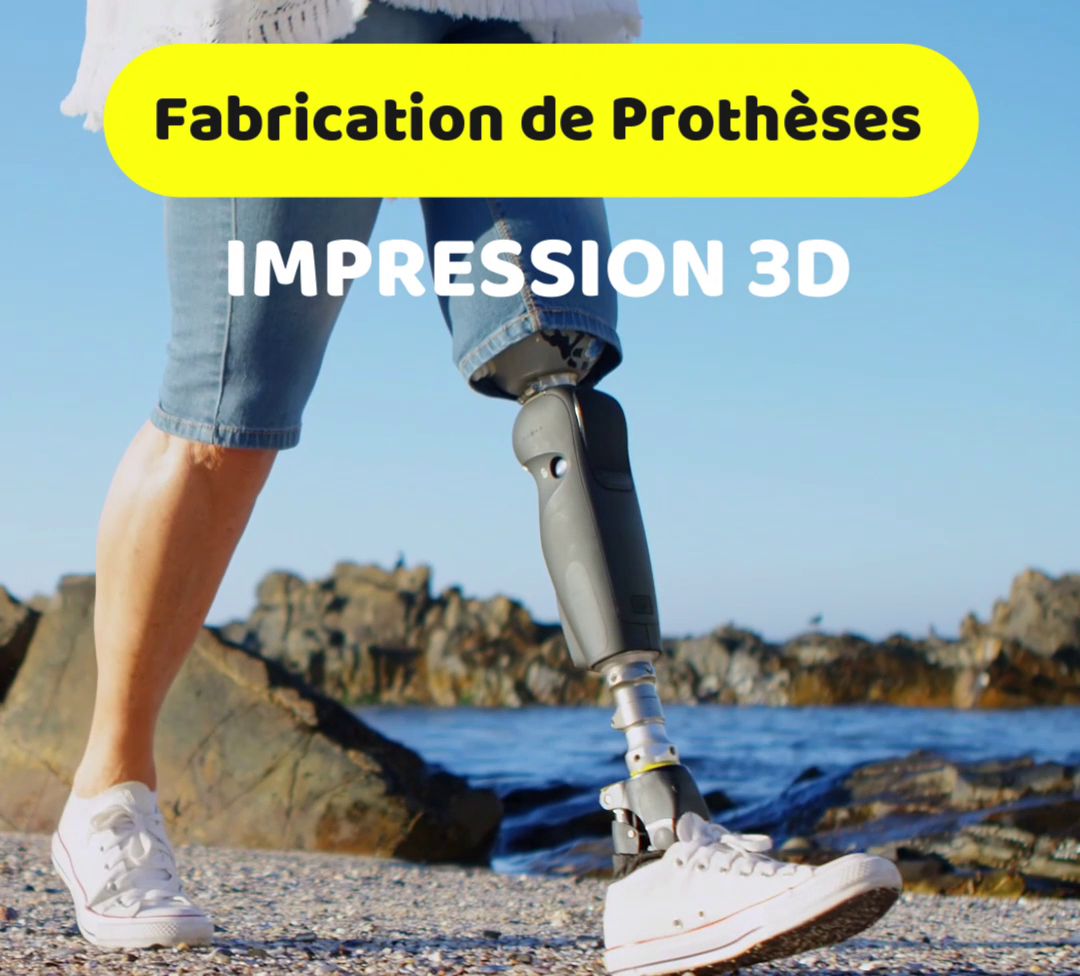
For decades, prosthetics were synonymous with heaviness, exorbitant costs, and generic designs, often meant to be hidden. They were a medical necessity, not a fashion accessory or an extension of personality. The arrival of 3D printing has radically changed this equation, transforming the prosthetic into a lightweight device, affordable and, most importantly, a powerful tool for personal expression.

The Revolutionary Trifecta: Cost, Speed, and Fit
Additive manufacturing has solved the main problems of accessibility and comfort with traditional prosthetics.
1. Cost Democratization
Traditional prosthetics can cost tens of thousands of euros, making them inaccessible in many parts of the world or for low-income families. A 3D-printed prosthetic can be manufactured for a fraction of that price, often just a few hundred euros in materials. This accessibility is crucial for children, who need their prosthetic replaced every six to twelve months due to rapid growth.
2. Perfect Fit and Lightweight Design
3D printing allows for perfect ergonomic adaptation. With a 3D scanner, the shape of the residual limb is captured with precision, ensuring a custom-fitted and comfortable socket.
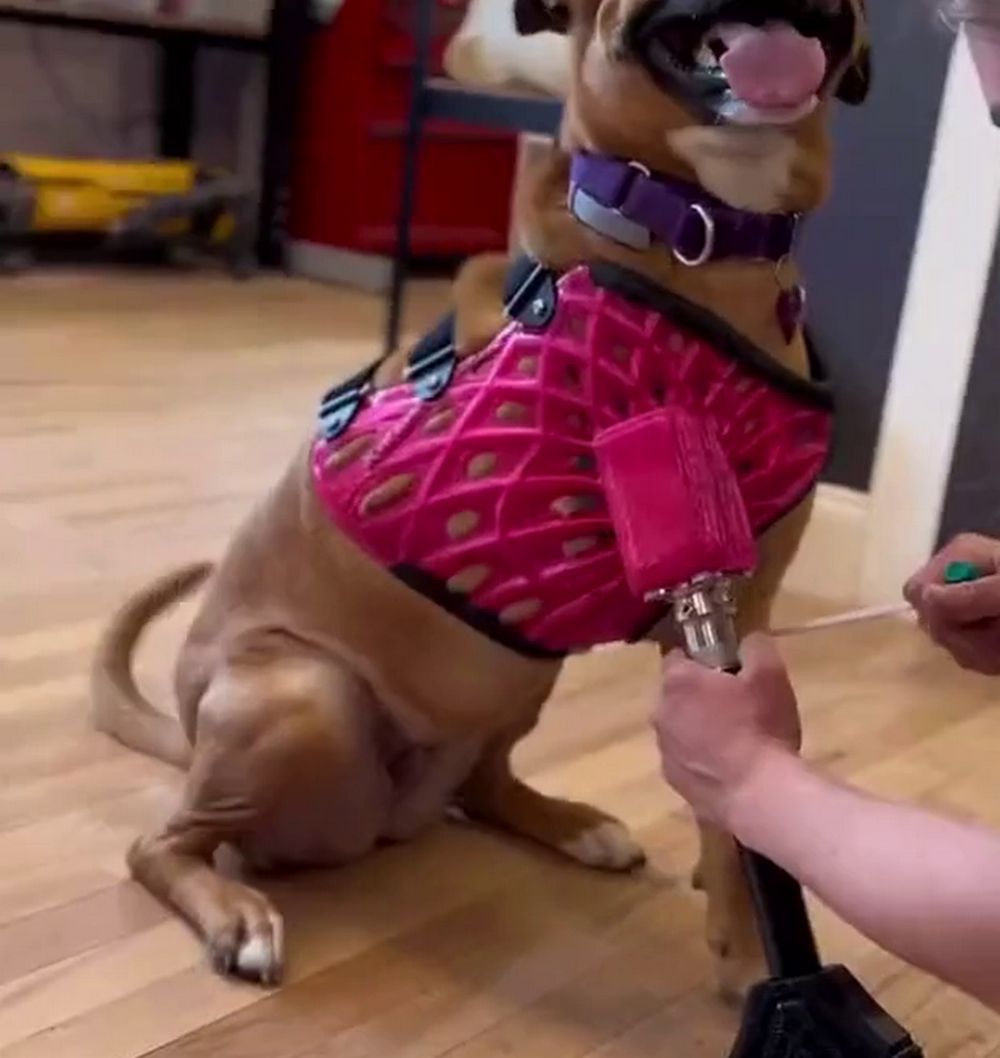
Moreover, design freedom allows for creating internal structures with lattice or honeycomb patterns. The result is a prosthetic that is much lighter than a traditional metal or composite resin device, improving comfort and reducing daily fatigue.
Aesthetics as a Psychological Factor
The most profound change brought by 3D printing may be psychological. The prosthetic is no longer a medical burden—it becomes a statement piece.
The Power of Open Design
The technology allows users to move beyond generic "skin" tones and adopt vibrant colors, artistic patterns, or specific themes. The choice is left to the user:
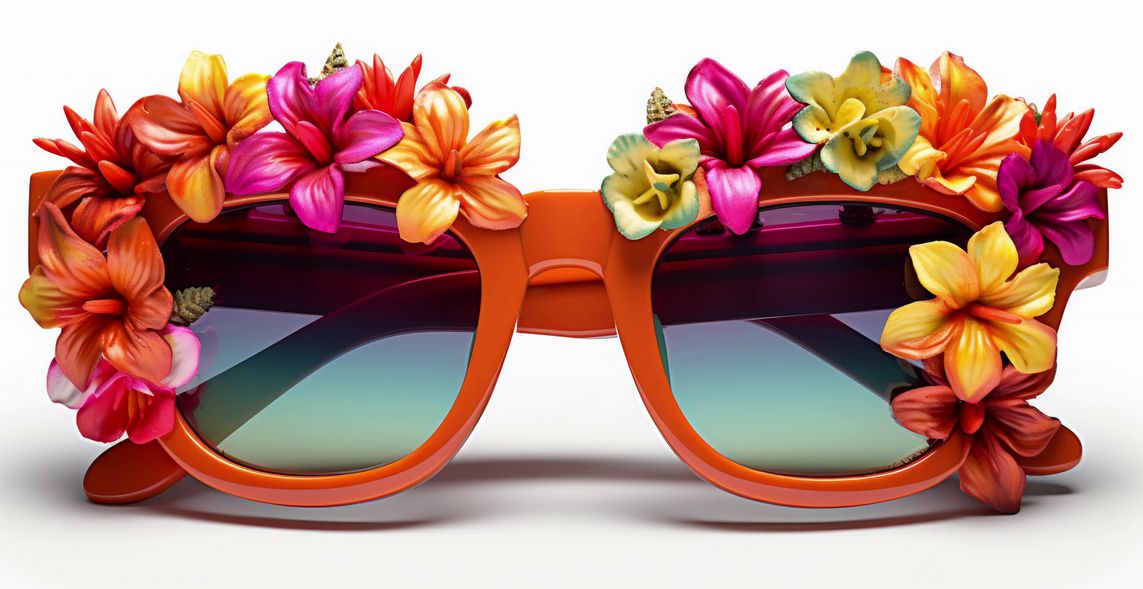
- Identity and Pride: Thematic shells (superhero armor, floral patterns, futuristic designs) transform the prosthetic from a potential stigma into a bold statement.
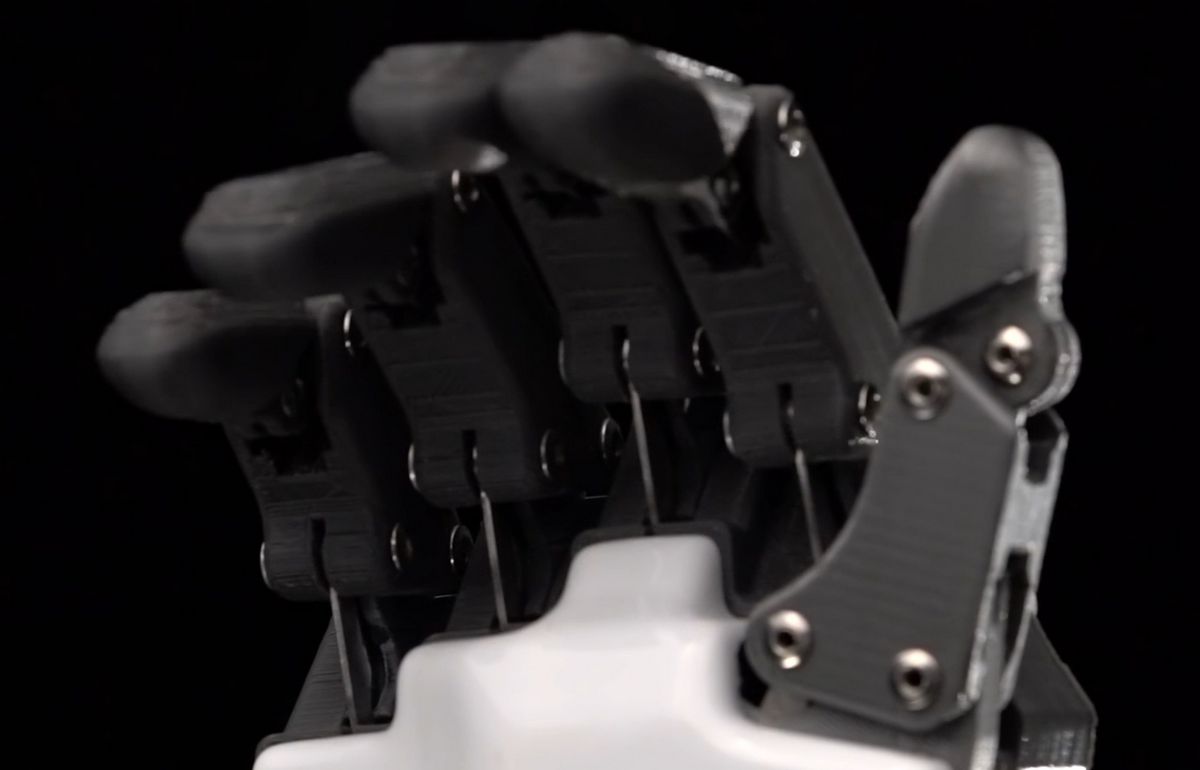
- Social Integration: For children, a bionic hand inspired by Iron Man or Star Wars sparks positive curiosity and admiration from peers rather than discomfort. The object becomes a source of pride and acceptance.
- Self-Expression: Some users choose to print different shells for each occasion (work, sports, evening out), making their prosthetic a true fashion accessory that reflects their changing personality.
The Open Source Movement: e-NABLE
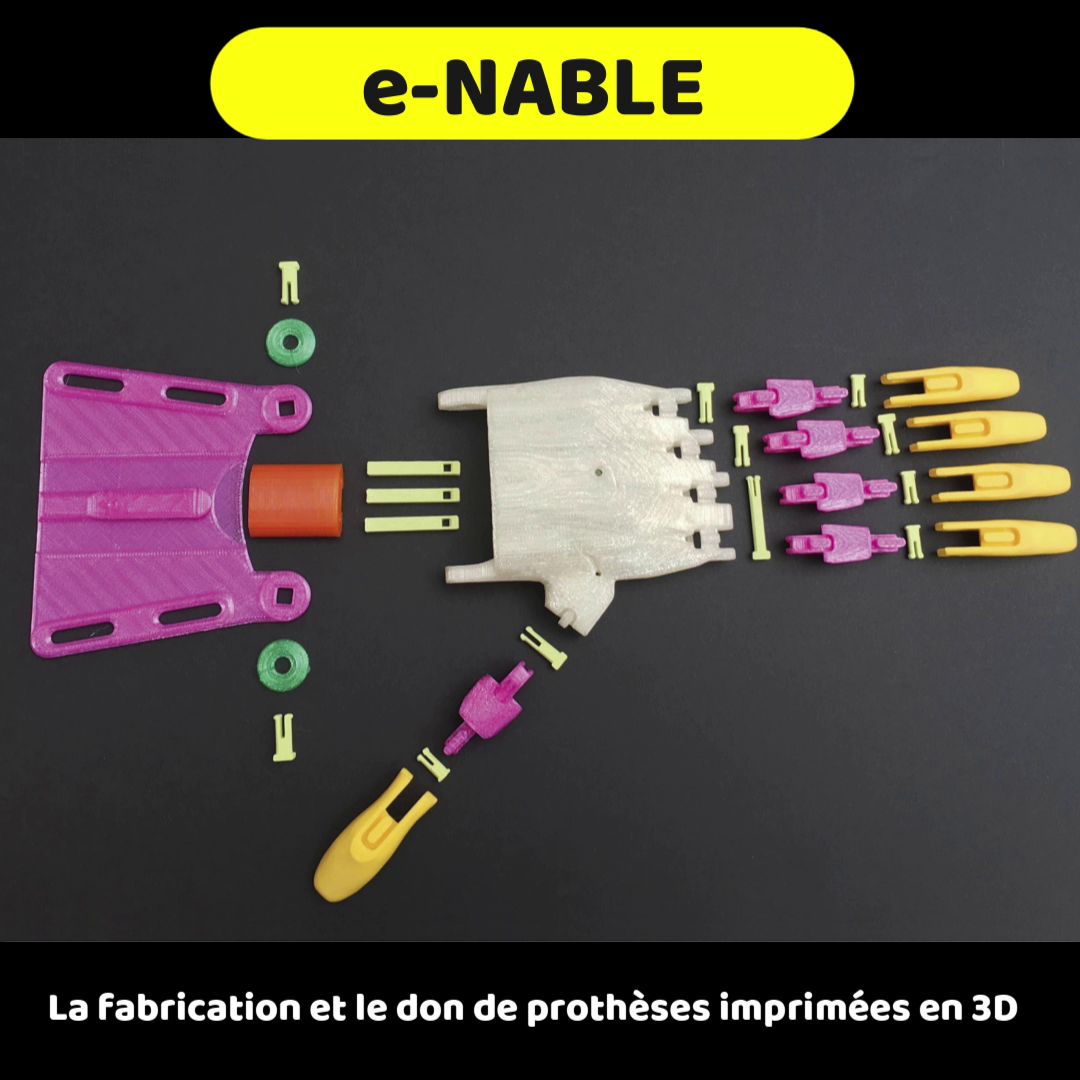
This aesthetic and affordable revolution is largely driven by the open source community. The e-NABLE movement is the perfect example. Thousands of volunteers worldwide design, print, and freely share functional hand and arm prosthetic plans.
This decentralized approach not only reduces costs but also ensures constant innovation where design improvements are shared instantly on a global scale.
3D printing has thus elevated the prosthetic from a hidden object to an expression of identity, making assistive devices more accessible, more comfortable, and profoundly more human.