3D Printing for Animals: From Prosthetics to Conservation
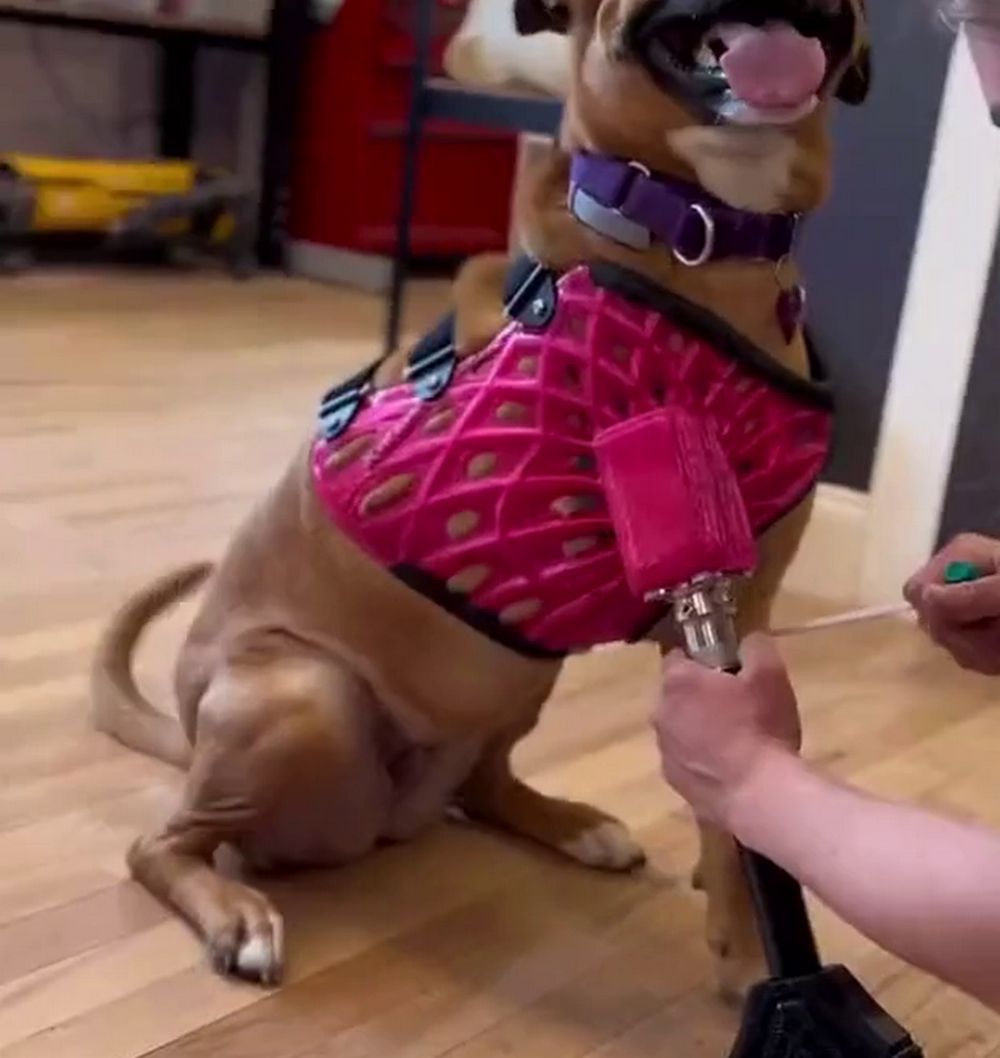
3D printing isn't just a technological revolution for humans; it's also opening extraordinary possibilities for our animal friends. Whether improving their quality of life, facilitating rehabilitation, or even contributing to their protection, additive manufacturing brings innovative and tailored solutions to the animal kingdom.
Prosthetics and Mobility Aids: A Second Chance for Disabled Animals

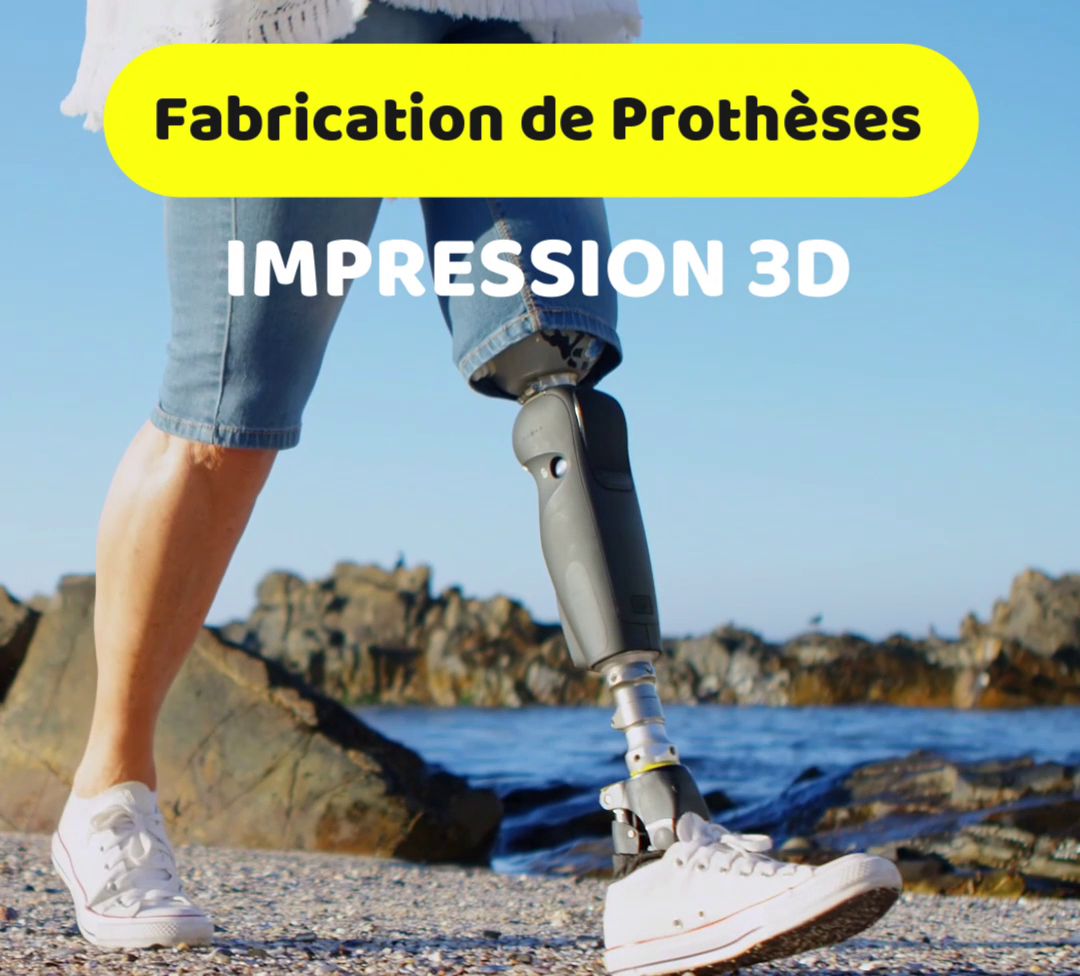
This is one of the most touching and visible applications of 3D printing for animals. Injured animals, those born with malformations, or those that have suffered amputations can recover a nearly normal life thanks to custom prosthetics.
- Legs and Limbs: Dogs, cats, tortoises, and even birds have already benefited from 3D-printed leg prosthetics. These prosthetics are custom-designed to fit perfectly to the animal's anatomy, offering comfort and functionality. We remember Derby, the dog who was able to run thanks to 3D-printed front leg prosthetics.
- Shells and Carapaces: For turtles with damaged shells, 3D printing creates lightweight, durable protections that promote healing or serve as a permanent replacement.
- Orthoses and Supports: Beyond complete prosthetics, 3D printing manufactures orthoses to support a weak limb, aid in rehabilitation after injury, or correct posture.
The major advantage is customization and cost. Compared to traditional prosthetics that are often expensive and poorly suited, 3D-printed versions are more affordable and can be quickly adjusted or replaced as the animal grows or its needs change.
Veterinary and Medical Tools: Precision and Innovation in Surgery
Additive manufacturing is also revolutionizing veterinary medicine.
- Surgical Guides: For complex operations, precise cutting or drilling guides can be 3D-printed from scans (CT or MRI) of the animal. This allows veterinarians to plan and execute surgeries with unmatched precision, reducing risks and operation time.
- Anatomical Models: Veterinary medicine students and surgeons can train on 3D-printed organ or skeleton models that faithfully reproduce specific pathologies or anatomies.
- Implants: In some cases, animal-specific implants can be created, such as plates for complex fractures or joint prostheses.
Species Protection and Conservation: An Unexpected Ally
3D printing also plays a role in the fight for species conservation.
- Fake Eggs and Horns: To combat poaching, organizations 3D-print replicas of turtle eggs or rhino horns equipped with GPS and other sensors to trap traffickers and track their networks.
- Shelters and Enrichment: 3D-printed structures can serve as artificial shelters for marine wildlife (coral reefs) or enrichment toys for captive animals, improving their welfare.
- Identification and Tracking: Lightweight tags and personalized identification systems can be printed for scientific monitoring of animal populations.
Custom Toys and Accessories: Comfort and Entertainment
Beyond medical and conservation applications, 3D printing allows creation of everyday objects for our pets:
- Durable Toys: Tough toys adapted to the animal's size and behavior.
- Ergonomic Bowls: Bowls designed to help animals eat more slowly or adapt to physical constraints.
- Fashion Accessories: Custom collars, ID tags, or harnesses.
Challenges and Future Outlook
Despite these advances, challenges remain:
- Biocompatible Materials: Developing even more biocompatible and durable 3D printing materials is essential for long-term implants.
- Standardization and Certification: Establishing standards for 3D-printed medical devices for animals is a major challenge.
- Cost and Accessibility: Although more affordable than some alternatives, access to the technology and necessary expertise remains a challenge in some regions.
3D printing is rewriting the story of animal health and conservation. By offering custom, fast, and often more economical solutions, it proves that technology can be a powerful tool for improving the lives of every living being.