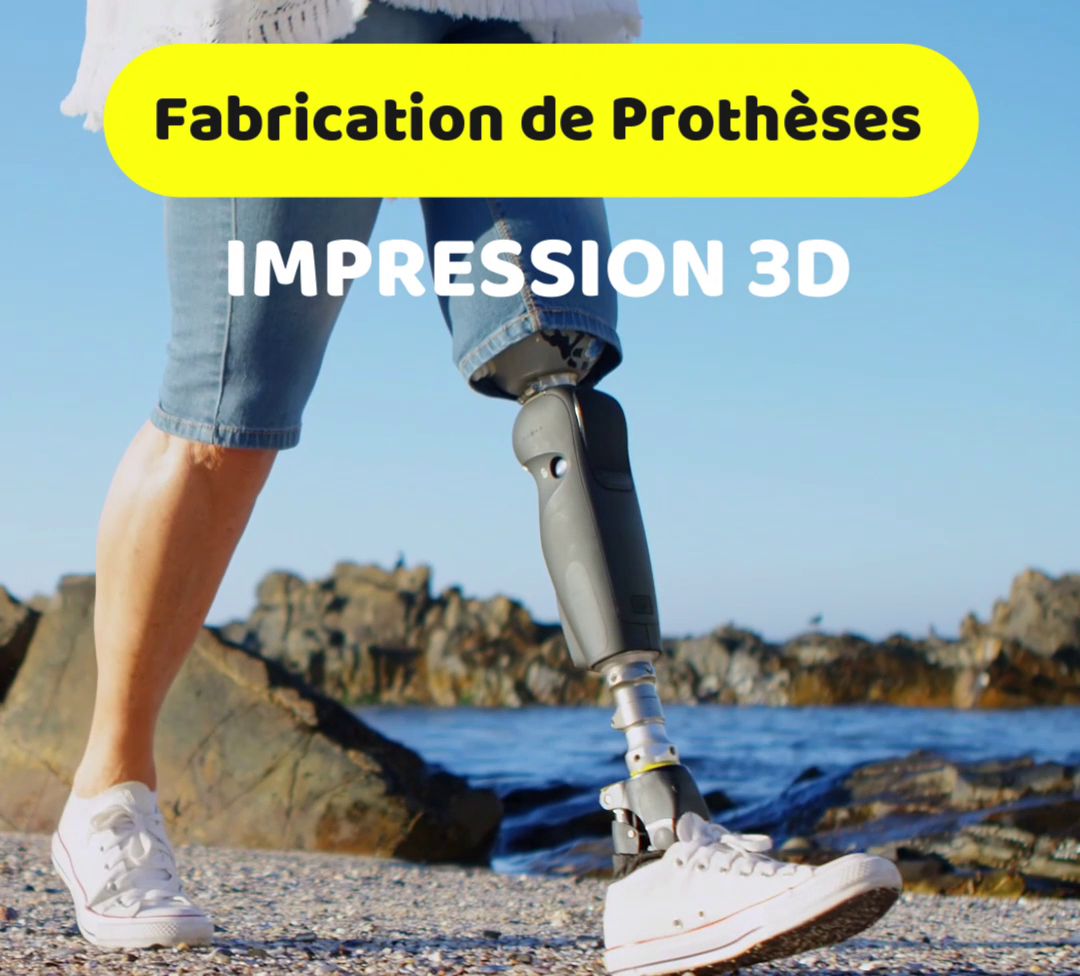
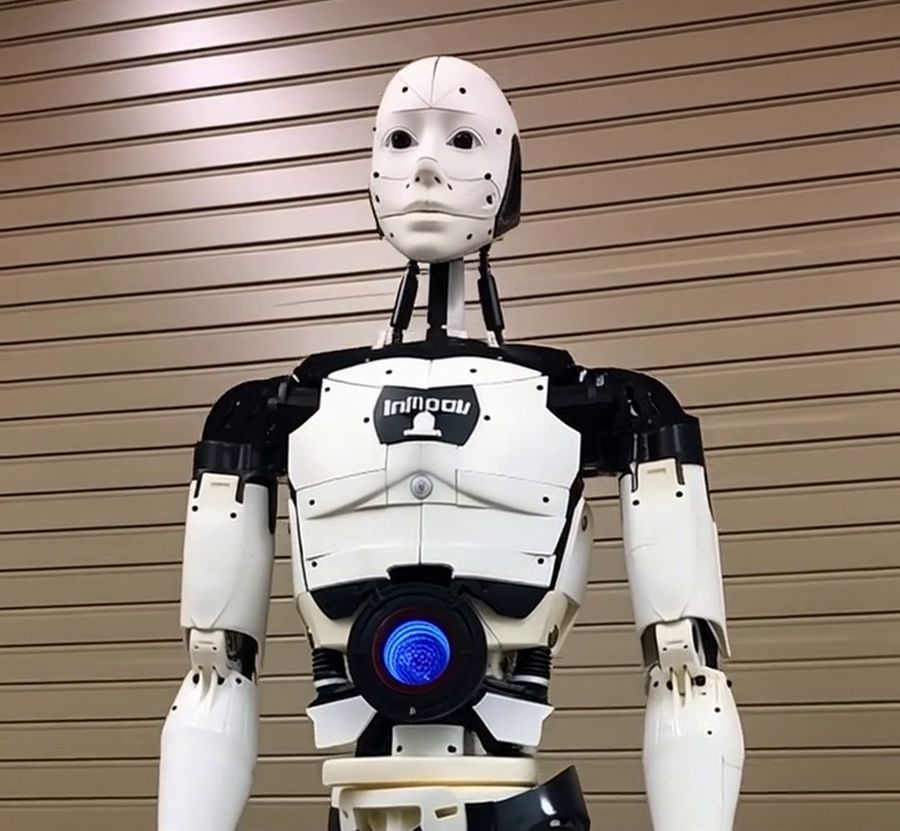
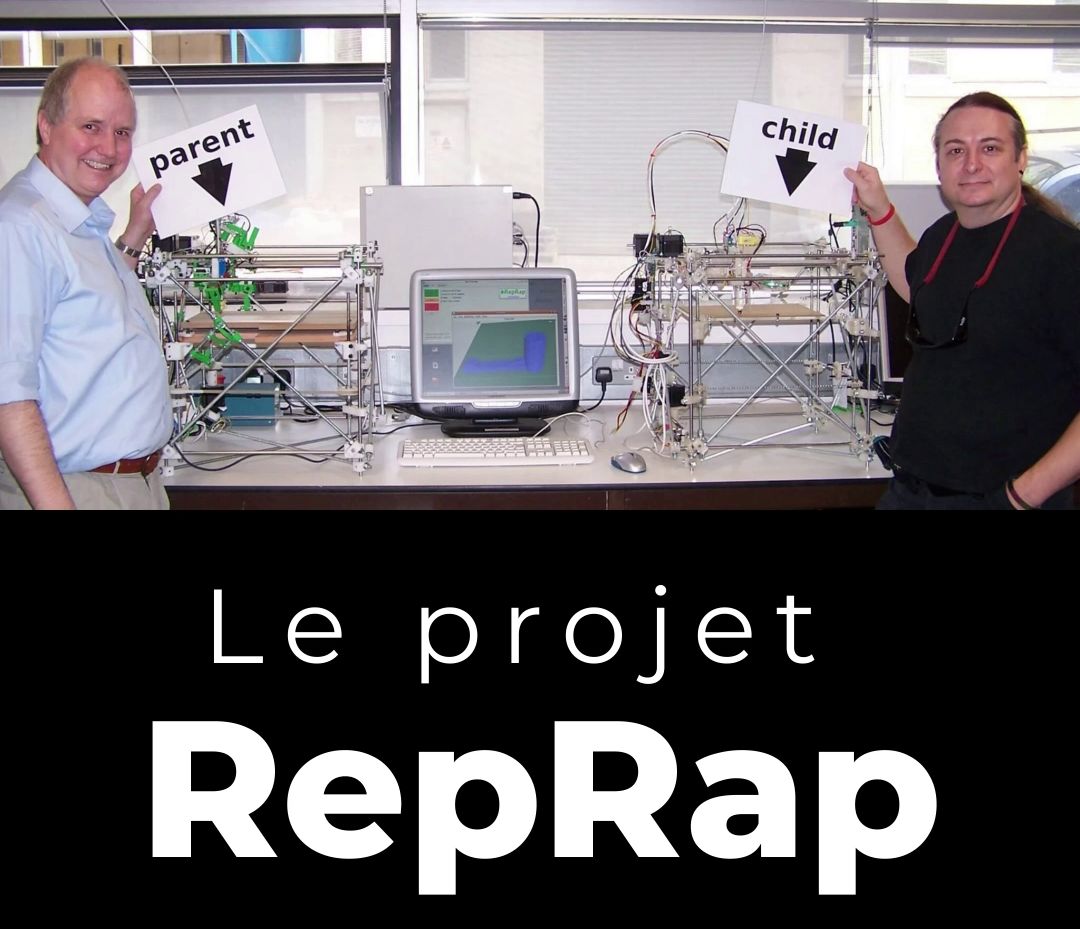
e-NABLE 3D Printed Prosthetics: Hands for Humanity
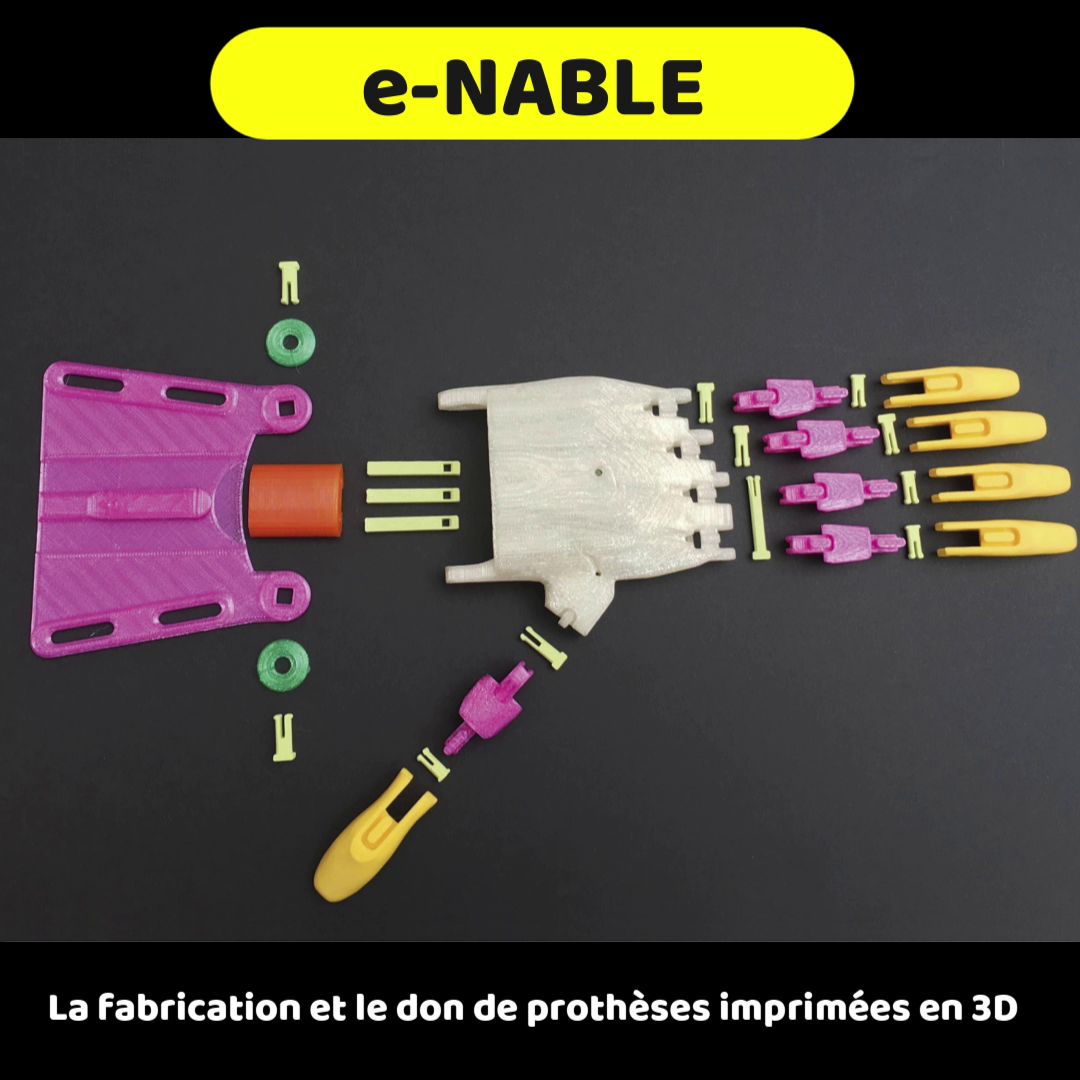
In the brief history of 3D printing, few movements better illustrate its humanitarian and collaborative potential than e-NABLE. It's not a company, but a decentralized global community of volunteers (engineers, designers, makers, and everyday individuals) united by a simple mission: to design and manufacture free or ultra-affordable functional prosthetic hands and forearms for those who need them, using 3D printing. Visit the site: https://e-nable.fr/fr/

The Revolutionary Model: Open Source for Humanity
e-NABLE was born from the online collaboration of two passionate individuals and quickly transformed into a global network. Its operation is based entirely on the Open Source philosophy:
- File Sharing: The heart of the movement is an online library of validated STL files that are constantly improved. These designs (for mechanical hands, articulated forearms) are accessible to everyone and are created to be printed on affordable desktop 3D machines.
- Local Connection: A volunteer (the "maker") downloads the designs, prints the prosthetic, and assembles it. Another volunteer (often a therapist or coordinator) connects the maker with the local recipient, who provides precise measurements.
- Decentralization: e-NABLE's strength is its ability to bypass geographic barriers. Someone in a developing country can receive a prosthetic designed by an American designer and printed by a European maker.
The Game-Changing Advantage of 3D Printing
3D printing is essential to the survival and success of this model for three major reasons.
1. Drastically Lower Cost
A traditional prosthetic, whether bionic or purely mechanical, often costs tens of thousands of euros. The cost of materials needed for an e-NABLE 3D printed prosthetic, meanwhile, typically falls between . This difference is critical for low-income families and, most importantly, for children.
2. Quick Adaptation to Growth
Growing children need to change prosthetics every six to twelve months. The recurring cost of traditional prosthetics is often unsustainable. Thanks to 3D printing, resizing is simple and fast: just scale up the STL file and print a new device.
3. Perfect Customization
Prosthetics are printed to fit the exact measurements of the residual limb. Beyond functionality, 3D printing allows for bright colors, patterns, or themes (superheroes, robots) that transform the prosthetic from a stigma into a cool and empowering accessory, making social integration easier for children.
More Than a Hand: A Symbol of Hope
e-NABLE prosthetics are primarily mechanical devices powered by wrist or elbow movement. They enable users to perform everyday tasks like gripping objects, riding bikes, or playing sports.
The e-NABLE community proves that the affordable technology of a desktop 3D printer, combined with a spirit of global sharing, has the power to solve complex humanitarian problems and restore autonomy and dignity to thousands of people worldwide. It's the most eloquent illustration of the power of the maker movement.