The Future of Fashion and Textiles with 3D Printing
The textile industry, steeped in millennia of tradition, is undergoing profound transformation today. 3D printing, far from merely creating rigid objects, is merging with the world of fabrics to give birth to creations of an entirely new kind. This alliance between soft material and digital filament opens the door to infinite possibilities, from haute couture to everyday wear, as well as high-performance technical textiles.
Direct Fabric Printing: A New Way to Design

Direct Fabric Printing: A New Way to Design
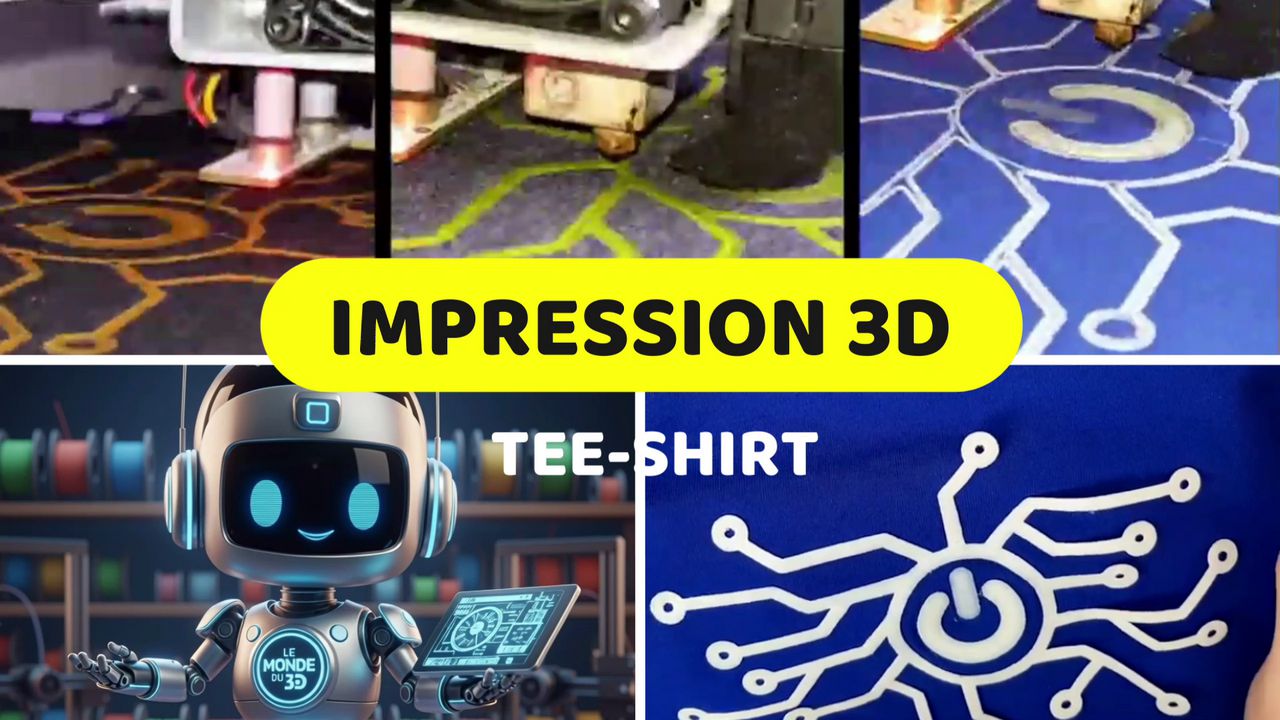
One of the most revolutionary applications is printing patterns and structures directly onto a piece of fabric.
- Unique patterns and textures: Specialized 3D printers, like the Stratasys J850 TechStyle, are now capable of depositing layers of material directly onto various textiles such as cotton, denim, or linen. This technique enables the creation of raised patterns, sensory textures, or ornaments that were impossible to achieve with traditional screen printing or embroidery methods.
- Integrated functionality: Direct printing can also add functional elements. Imagine closures, loops, or reinforcement pieces printed directly onto the textile without needing to be sewn on.
Creation of Printed Textiles and Meshes
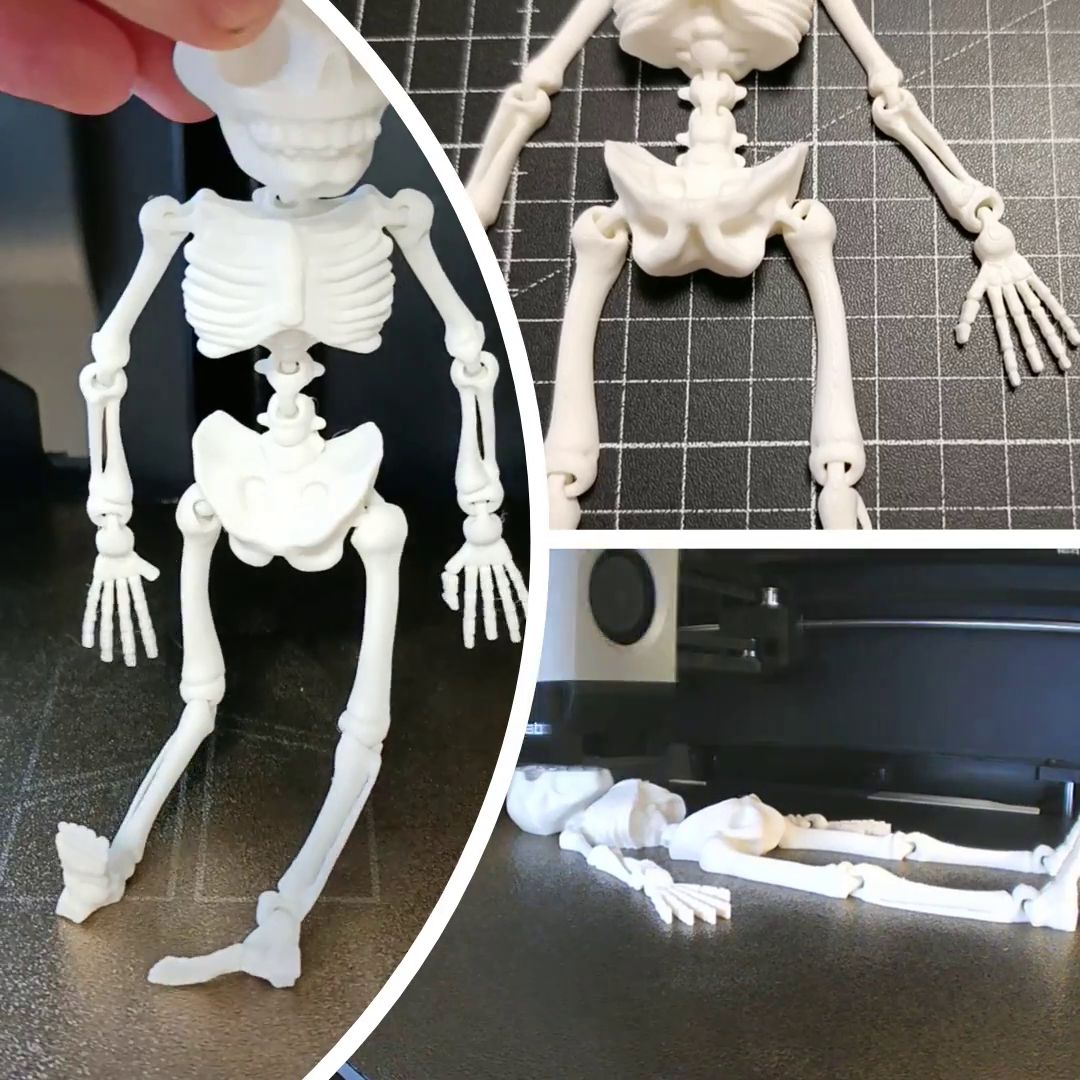
Another approach involves fabricating the "fabric" itself layer by layer, thereby creating meshes or articulated structures entirely in 3D.
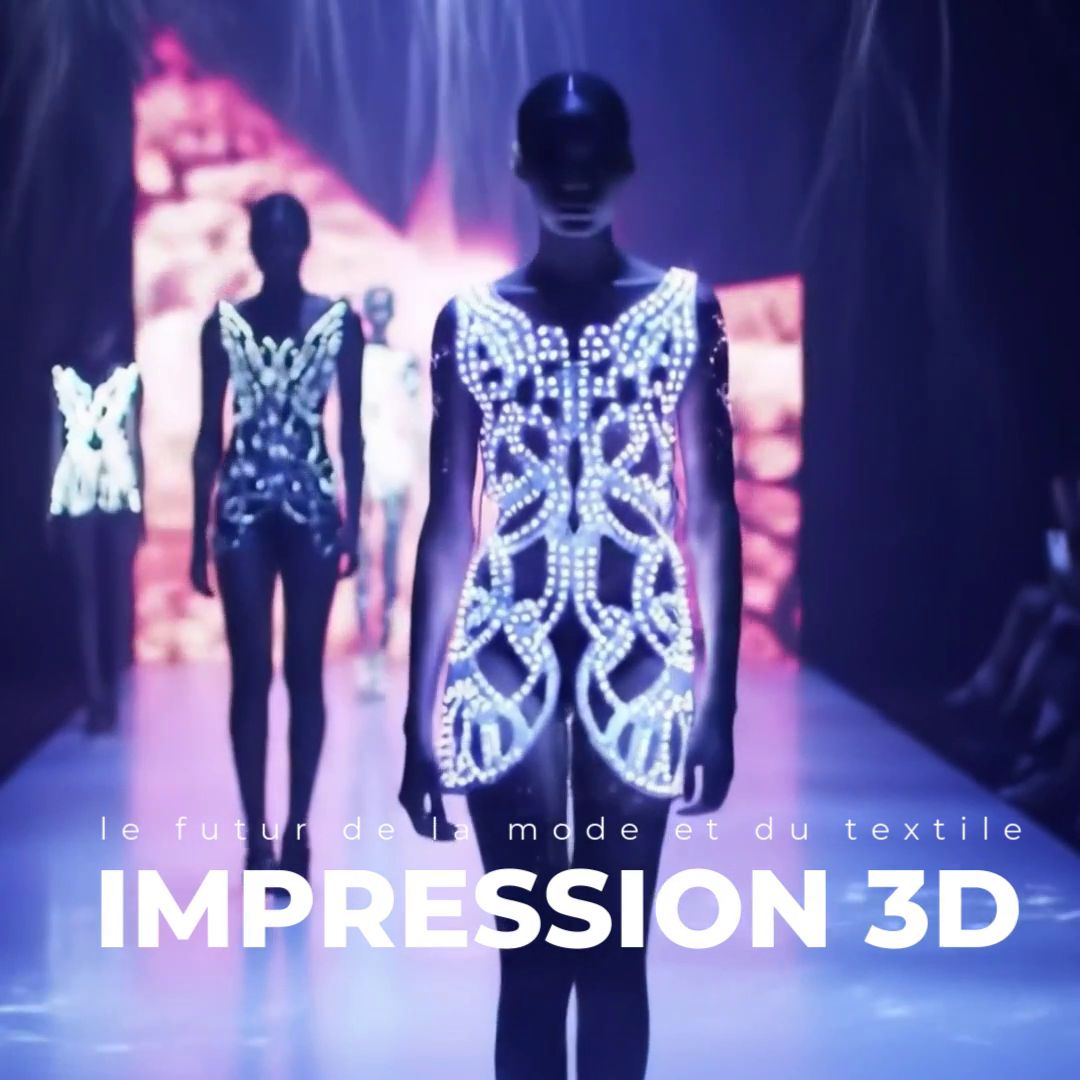
- Garments as sculpture: Renowned designers like Iris van Herpen are pioneers of this technique. By printing chains of tiny links or complex structures, they create materials that mimic fabric movement while displaying futuristic rigidity and aesthetics. The garment becomes a work of art, a wearable sculpture.
- Hybrid materials: It's possible to combine flexible filaments with more rigid sections to create textiles with variable elasticity, or even integrate conductive elements for connected wearables.
Materials and Technical Challenges
While the possibilities are immense, this technology also presents challenges.
- Filament choice: Flexible materials like TPU (Thermoplastic Polyurethane) are the most commonly used for this application, as they mimic fabric softness and elasticity. PLA can be used for more rigid elements.
- Adhesion: A major challenge is ensuring good adhesion between filament and fabric. It's often necessary to properly tension the fabric on the build plate to prevent deformation.
- Durability and comfort: You must ensure that printed pieces withstand washing, wear, and won't irritate skin. Post-processing, such as applying a coating, may sometimes be necessary.
A Future of Customization and Sustainability
The fusion of 3D printing and textiles promises to transform the fashion industry. It enables the production of custom-fit garments, tailored to each person's body shape and preferences, thereby reducing inventory and waste. It's a pathway toward more sustainable fashion, where every piece is unique, created on demand, and where innovation serves both style and functionality.