3D Printing: The Revolution for Cosplay Masks and Helmets
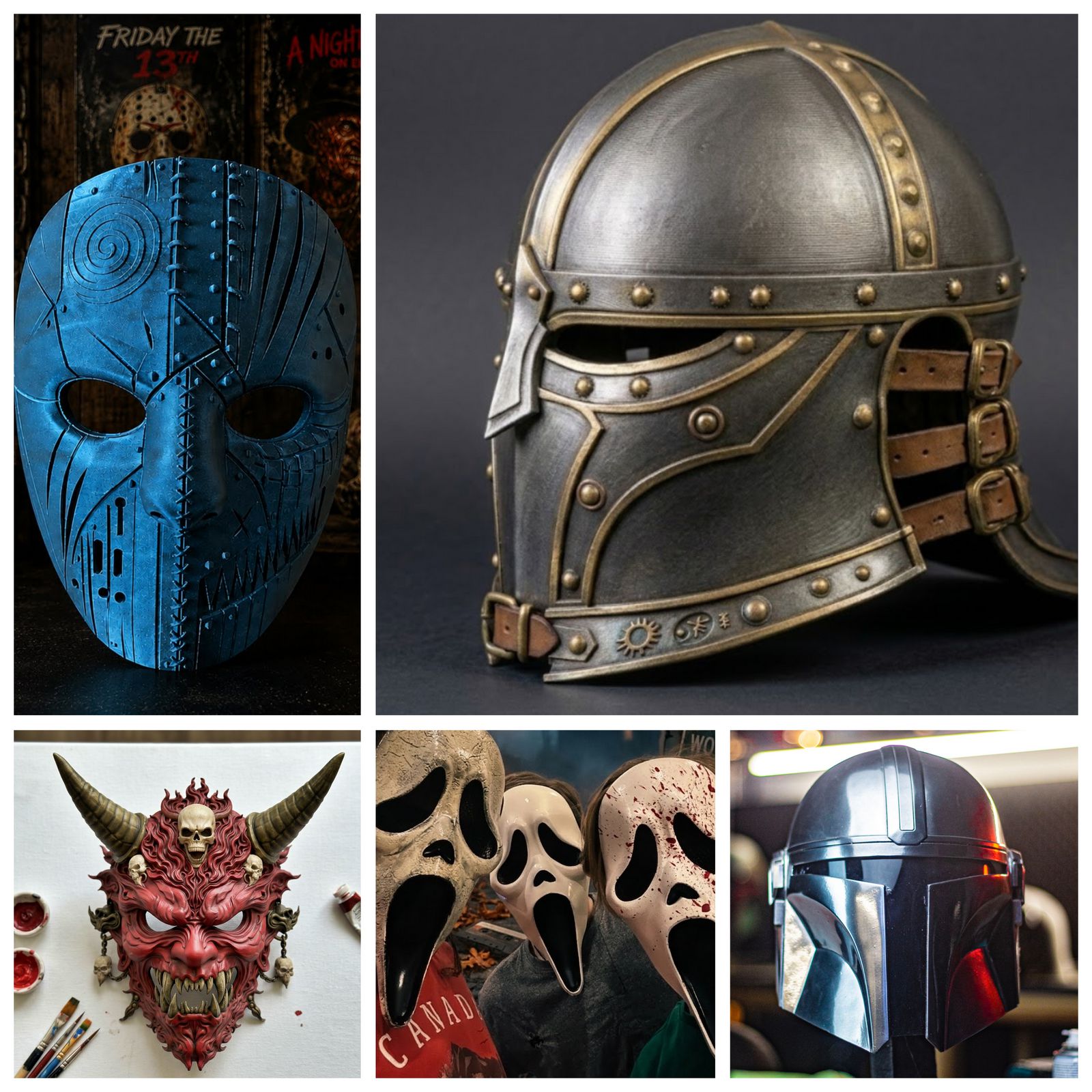
Creating armor, masks, and helmets has always been one of cosplay's most technical challenges. The arrival of 3D printing has completely transformed this discipline, allowing enthusiasts to turn digital concepts into physical objects with stunning precision.
✅ Why Choose 3D Printing?
Using this technology offers considerable advantages for manufacturing complex accessories:
-
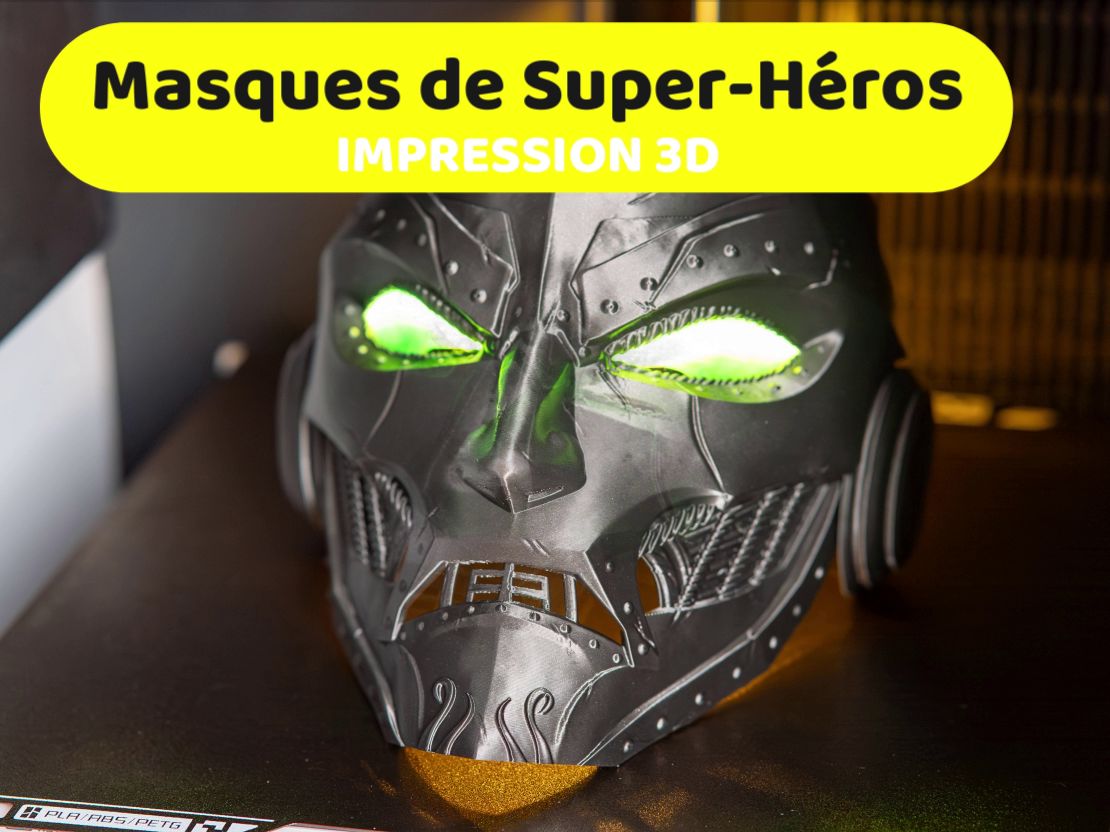
Millimeter precision: Details from a superhero helmet or creature mask are faithfully reproduced from the original digital files.
-
Perfect scaling: Printing software lets you adjust the model to your exact head measurements, avoiding uncomfortable or disproportionate helmets.
-
Time saved on structure: While printing takes many hours, the machine works alone, freeing you to focus on sewing or other costume elements.
-
Reproducibility: If a piece breaks at a convention, simply reprint the damaged part instead of having to sculpt everything again.
✅ The Creation Process
Manufacturing a helmet or mask involves a rigorous process to achieve professional results.
-
Modeling or acquisition: The first step is obtaining a 3D file (STL or OBJ format). You can model it yourself or download it from dedicated platforms and specialized creators.
-
Software slicing: Import the file into slicing software. This is where you define layer thickness, part infill, and support structures needed to hold overhanging sections.
-
Physical cutting: If the helmet is too large for your printer's build plate, the software lets you split it into multiple pieces that print separately and assemble later.
-
Printing: The process can take from a few hours for an eye mask or half-mask to several days for a complex full helmet.
-
Post-processing: This is the most important step. It includes assembly (often with cyanoacrylate or epoxy glue), careful sanding, applying filler or smoothing primer, then painting and weathering to create the illusion of metal, bone, or carbon fiber.
✅ Which Material to Choose?
Your material choice is crucial for durability, especially if you plan to wear your creation all day.
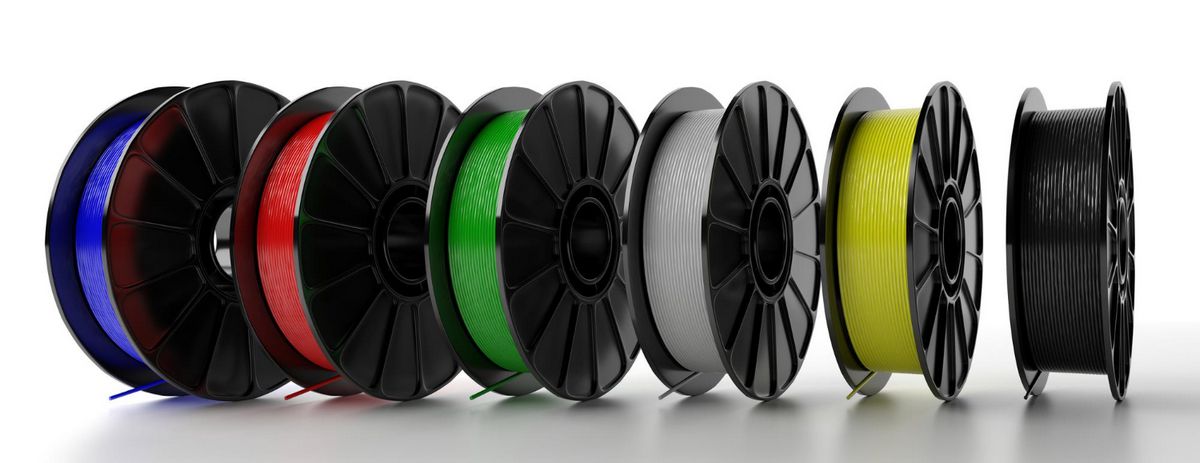
| Material | Advantages | Disadvantages | Recommended Use |
| PLA | Very easy to print, odorless, excellent detail reproduction. | Heat-sensitive (warps in sun or hot vehicles). | Indoor masks, decorative pieces, prototypes. |
| PETG | Impact-resistant, good heat tolerance, slightly flexible. | Harder to sand than PLA, more temperamental settings. | Armor helmets, functional pieces under stress. |
| ABS / ASA | Excellent heat resistance, easily smoothed with acetone vapor. | Requires enclosed chamber, releases fumes during printing. | Outdoor helmets, high-quality durable replicas. |
| Resin | Exceptional detail, ultra-smooth finish requiring minimal sanding. | Heavier and more brittle material, often limited build volume. | Small face masks, complex details (horns, lenses). |
3D printing doesn't diminish the craftsperson's merit; it simply shifts the challenge from manual sculpting to mastering digital tools and finishing techniques. Post-processing remains the decisive step where the cosplayer truly brings their accessory to life.
Which character are you planning to bring to life in your next cosplay project?