3D Printing Superhero Masks
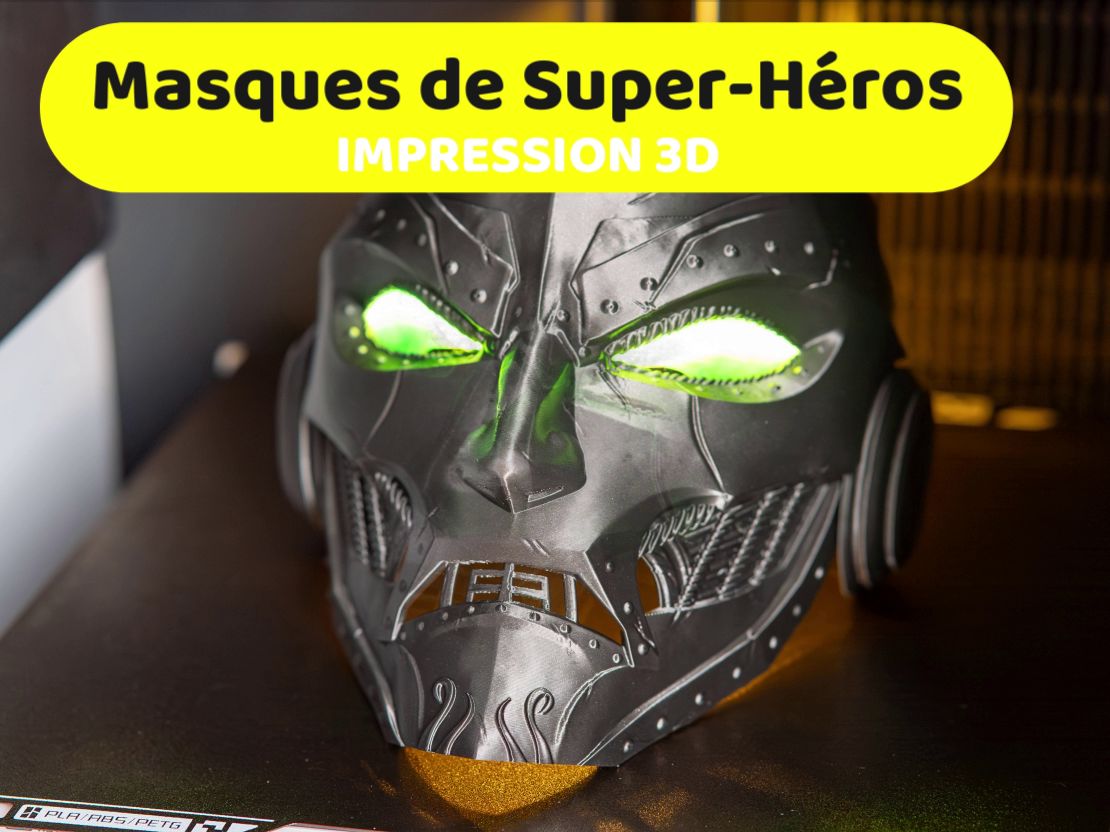
From Batman to Iron Man, the mask or helmet is the most iconic element of a superhero. For cosplay fans and collectors, 3D printing is the only affordable method to get detailed, custom-fit replicas ready for action. Printing a mask is an exciting project that demands rigor in modeling, material selection, and especially post-processing.

Modeling: A Proper Fit Is Key
Fit is critical for comfort and realism. Nobody wants a mask that floats around or restricts breathing.
- Scaling: Before printing, the most important step is to adjust the model to your head size.
- Measure your head circumference (forehead to back of skull) and ear-to-ear distance.
- Compare these measurements to the internal dimensions of the 3D model in your slicing software.
- Adjust the scale uniformly until the size is slightly larger (a gap of a few millimeters is better so you can add comfort foam).
- Orientation: To minimize support material and reduce warping, the mask is often printed with the mask face (the side touching your face) laid flat or slightly tilted on the build plate.
Material Choice: Lightweight and Durable
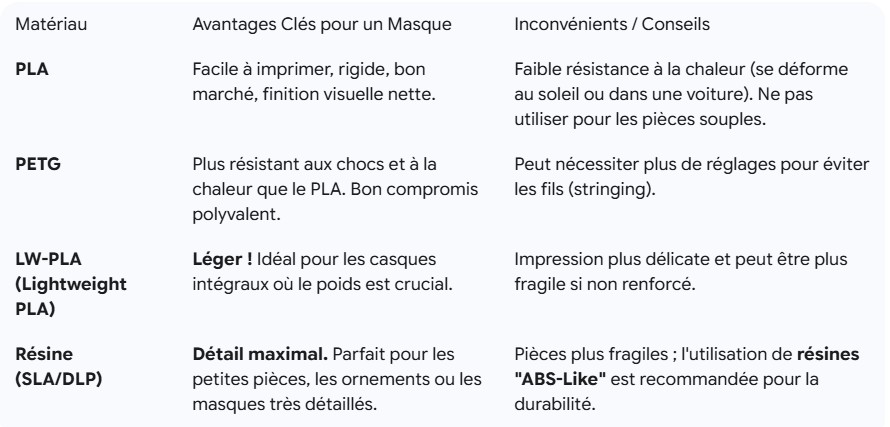
The material should be easy to work with, lightweight for extended wear at conventions, and shock-resistant.
Post-Processing: From Plastic to Professional Armor
This is where the mask transforms from a "printed part" to a "professional replica."
A. Sanding and Priming
- Initial Sanding: Remove supports and sand with coarse grit (≈ 80 to 120) to eliminate support marks and smooth major defects.
- Filler / Putty: Apply automotive filler putty or filler primer spray to fill remaining layer lines and small holes.
- Fine Sanding: Sand again with progressive grits (220, 400, 600) until you achieve a perfectly smooth surface with no visible layer lines.
B. Painting and Finishing
- Base Coat: Apply a final primer coat (white or gray) to ensure paint adhesion.
- Metallic Paint: For heroes like Iron Man or War Machine, use high-quality metallic spray paint and finish with gloss or satin varnish for the armor effect.
- Aging / Effects: Use a dark wash (heavily diluted black paint) and dry brushing to simulate dirt, wear, or battle damage.
Functional Details
- Visor and Eyes: Eyes are typically covered with transparent plastic or mesh sheets (printed or cut), painted white or yellow. Adding mini-LEDs (powered by a small hidden battery) is common to bring the mask to life (e.g., Iron Man, Spider-Man).
- Comfort: Glue EVA foam strips or neoprene padding inside the mask at the forehead, temples, and nose for comfortable wear and a secure fit.
Printing your own superhero mask is a true rite of passage in the cosplay world, blending modern engineering with costume craftsmanship.