3D Printing Jewelry: Revolutionize Your Design
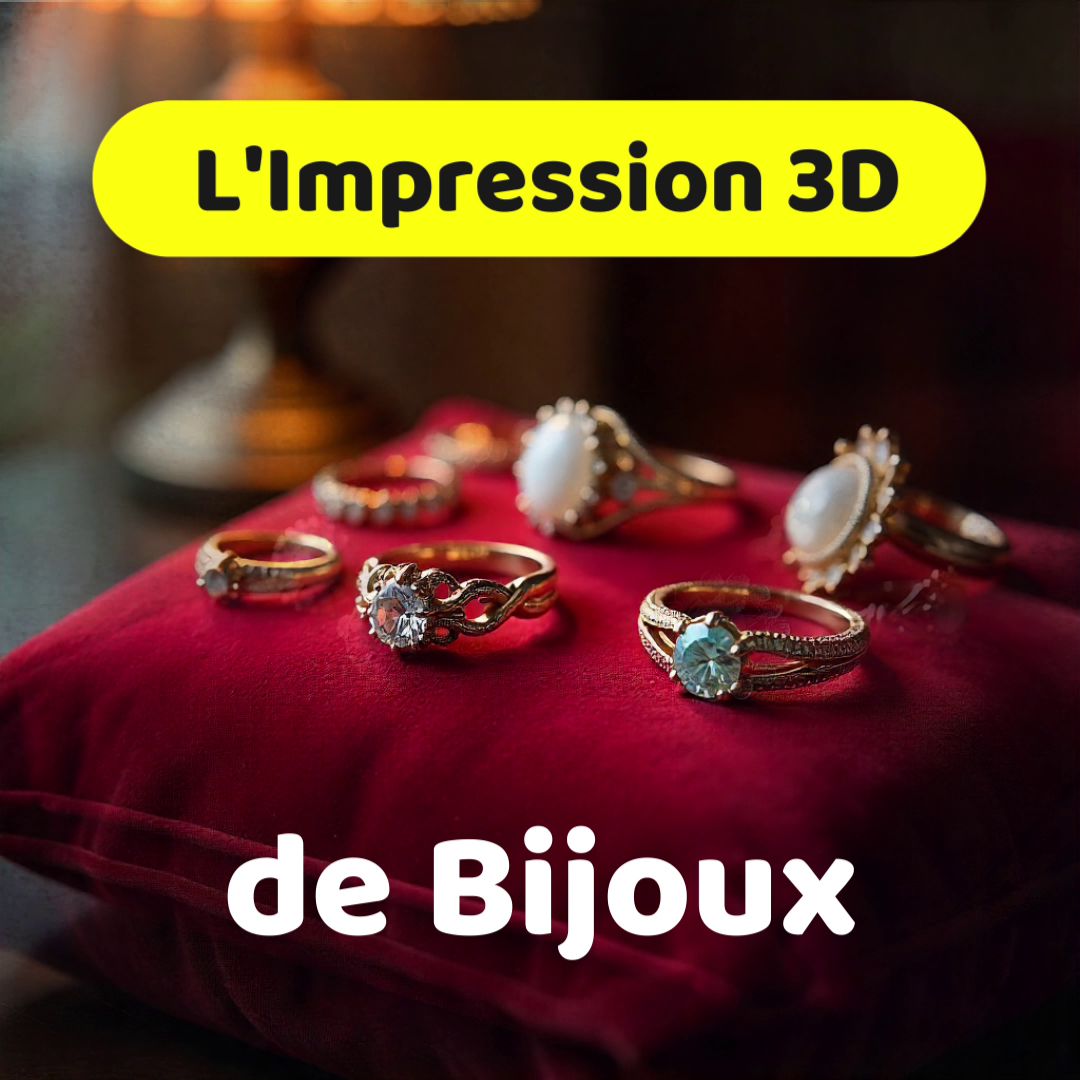
3D printing has transformed many artistic fields, but its impact on the world of jewelry is particularly spectacular. Once a craft requiring hours of manual sculpting, jewelry creation is now accelerated and enhanced by technology. 3D printing allows designers to realize complex forms with micrometric precision, opening an infinite field of creative possibilities.

1. The Advantages: Precision, Speed, and Complexity
Integrating 3D printing into a modern jeweler's workflow offers essential benefits.
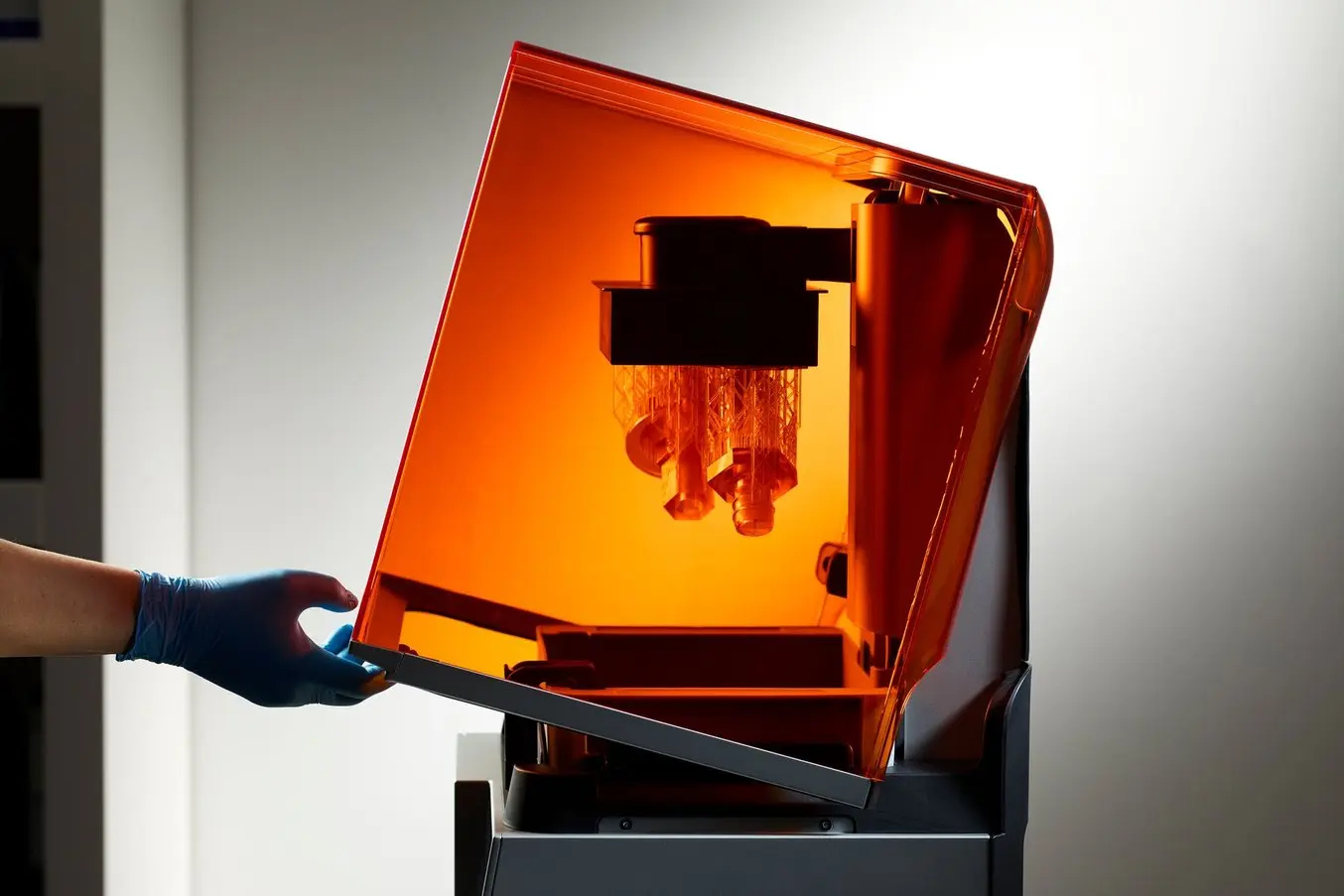
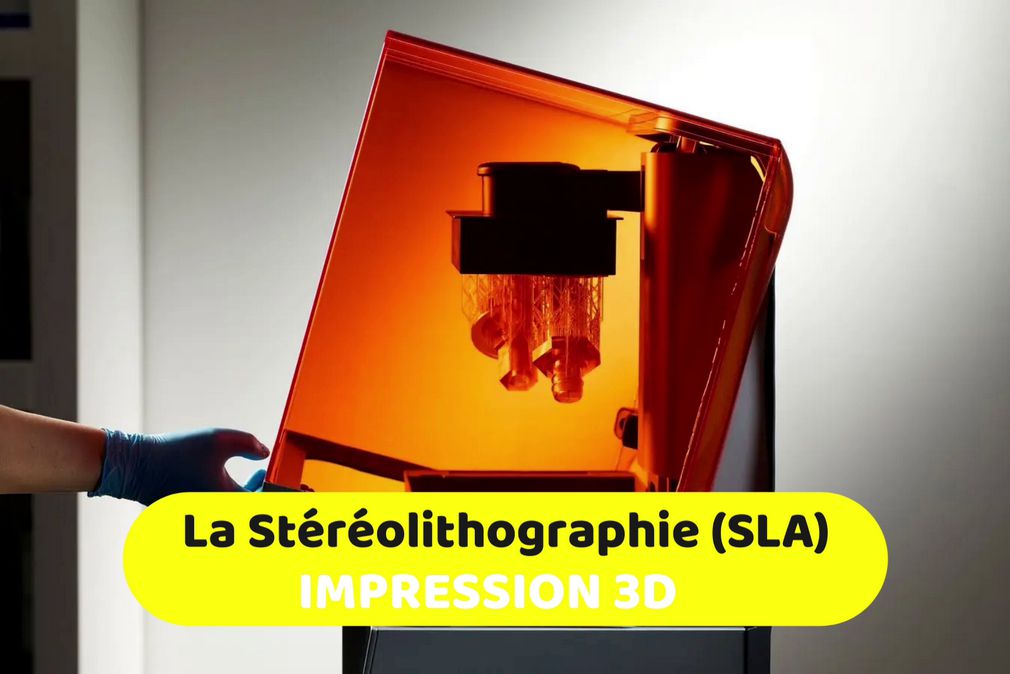
- Unmatched Detail: High-precision resin printers (SLA or DLP) can reproduce incredibly fine details, such as tiny setting claws, complex filigree, or micro-engravings, with precision often superior to traditional manual sculpting.
- Rapid Iteration: A designer can print a trial model to check fit, weight, stone size, and overall aesthetics in just a few hours. This iteration speed reduces costly errors before moving to the precious metal casting stage.
- Complex Geometries: 3D printing enables the creation of complex internal structures or interlocking pieces that would be impossible to achieve with traditional milling or engraving methods.
2. From File to Gold: Digital Lost Wax
In fine jewelry, the 3D-printed model is rarely the final piece. Instead, it serves as a master matrix in an ancient process: lost-wax casting.
- Resin Master Model: The digital design is printed using castable resin (or burnout resin). This resin is formulated to burn without leaving ash or residue when fired (calcination).
- Molding: The resin model is embedded in refractory plaster.
- Calcination: The entire assembly is heated. The resin burns away, leaving a perfectly clean cavity in the plaster.
- Casting: Precious metal (gold, silver, platinum) is poured into this cavity.
This process replaces manual wax sculpting with a digitally perfect model, speeding up production and guaranteeing maximum reproducibility.
3. Direct Printing and Customization
Beyond casting, 3D printing enables the creation of finished jewelry without passing through metal.
- Direct Materials: Selective laser sintering (SLS) printers can directly print robust, detailed pieces in Nylon or metal-filled polymers. These jewelry pieces are often used for fashion jewelry or complex accessories.
- Customer Customization: The potential for customization is limitless. A designer can quickly modify a ring to include a special engraving, a date, or a unique size, offering custom service that traditional craftsmanship could only provide at an exorbitant cost.
3D printing hasn't replaced the jewelry artisan; it has given them a powerful tool to bring dreams and designs once confined to imagination to life. It is the new foundry where cutting-edge technology meets the art of jewelry.