3D Printing in Art and Design: Redefine Artistic Creation
Pushing the Limits of Form and Matter
For millennia, artists and designers have sought to push the boundaries of matter to express their vision. From clay to canvas to marble, each medium has offered unique possibilities. Today, in the digital age, a new revolution is underway: 3D printing. This technology doesn't just reproduce objects; it has become a true creative tool, a digital brush that allows artists and designers to materialize the unimaginable, reinvent form, and democratize access to artistic fabrication.
One of the most profound impacts of 3D printing on art and design lies in its ability to free creation from traditional physical constraints.
Unlimited Geometric Complexity
Where sculpture or classical molding are limited by gravity, tools, and manual subtractive or additive techniques, 3D printing allows you to build layer by layer forms of staggering complexity.
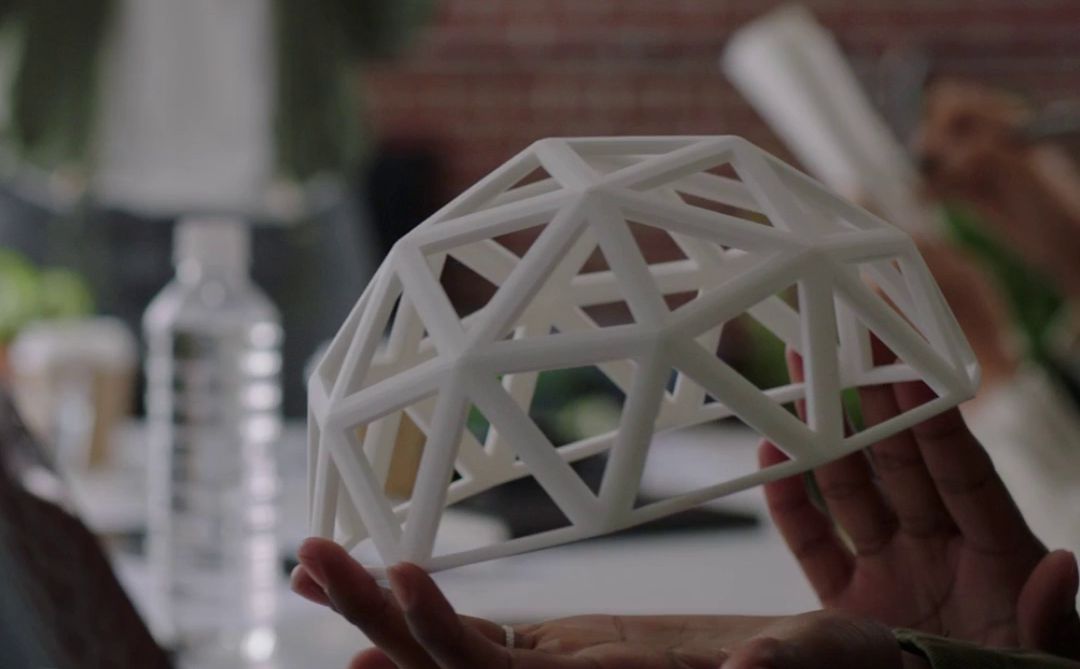
- Internal structures: Complex lattices, hollow geometries, or internal architectures that would be impossible to create otherwise can be integrated, optimizing weight without compromising strength.
- Organic and fractal forms: Parametric and generative modeling software, combined with 3D printing, allows the creation of designs inspired by nature, fractal structures, or interlocking patterns that defy comprehension.
- Interconnections and movements: Articulated pieces or complex assemblies can be printed in a single pass, eliminating the need for post-print assembly.
Exploring New Textures and Surfaces
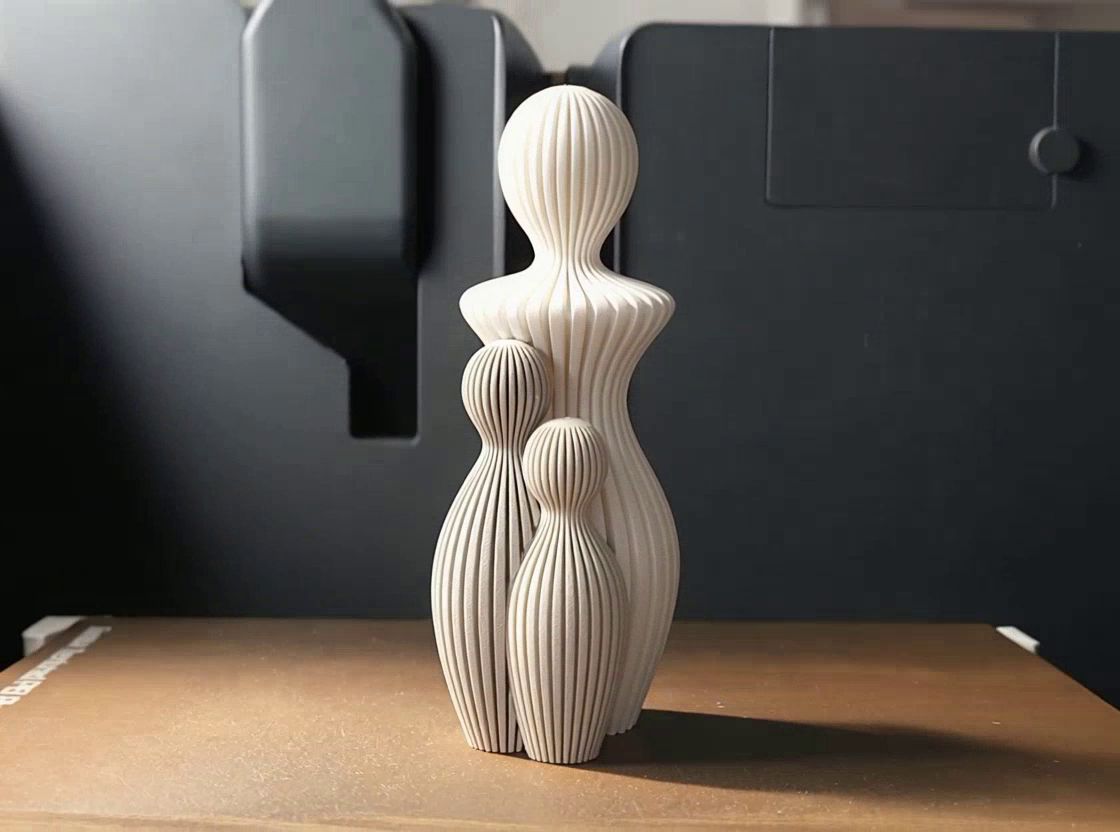
Beyond form, 3D printing offers granular control over the object's surface. Artists can experiment with precise tactile textures, infinitely repeated patterns, or finishes accurate to the micrometer. Multi-material printing opens the door to pieces featuring different properties or visual aspects within a single work, offering unmatched sensory richness.
From complex figurines to monumental installations (printed in segments then assembled), 3D printing allows sculptors to transcend size and detail constraints. Generative art, where algorithms create unique forms, finds its physical expression through this technology.
3D printing is far more than a simple fabrication machine; it has become an extension of the artist's and designer's hand and mind. It transforms the creative process, democratizes access to fabrication, and opens an infinite field of possibilities for materializing imagination. In a world where the boundaries between digital and physical are blurring, 3D printing is the key that allows artistic vision to take shape, redefining the contours of contemporary creation.
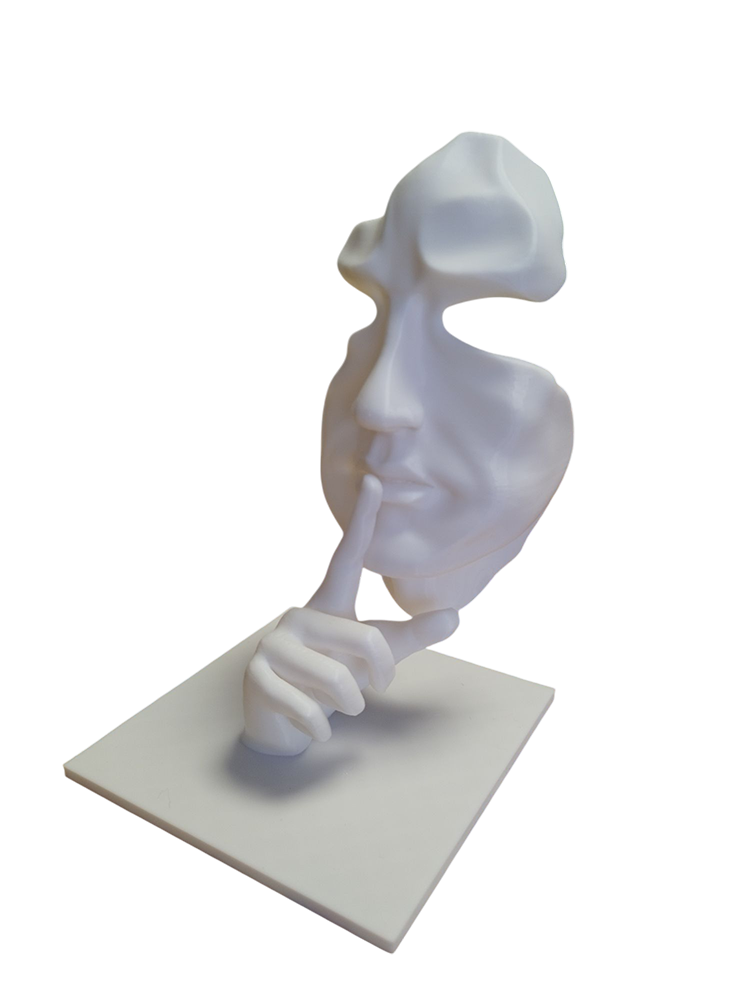
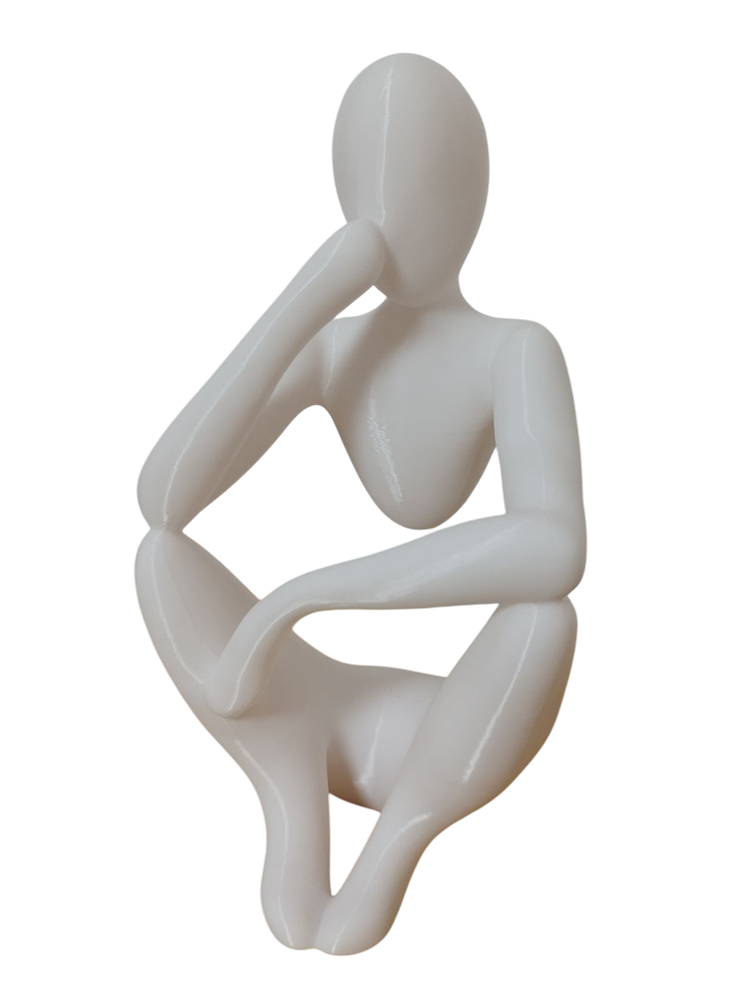
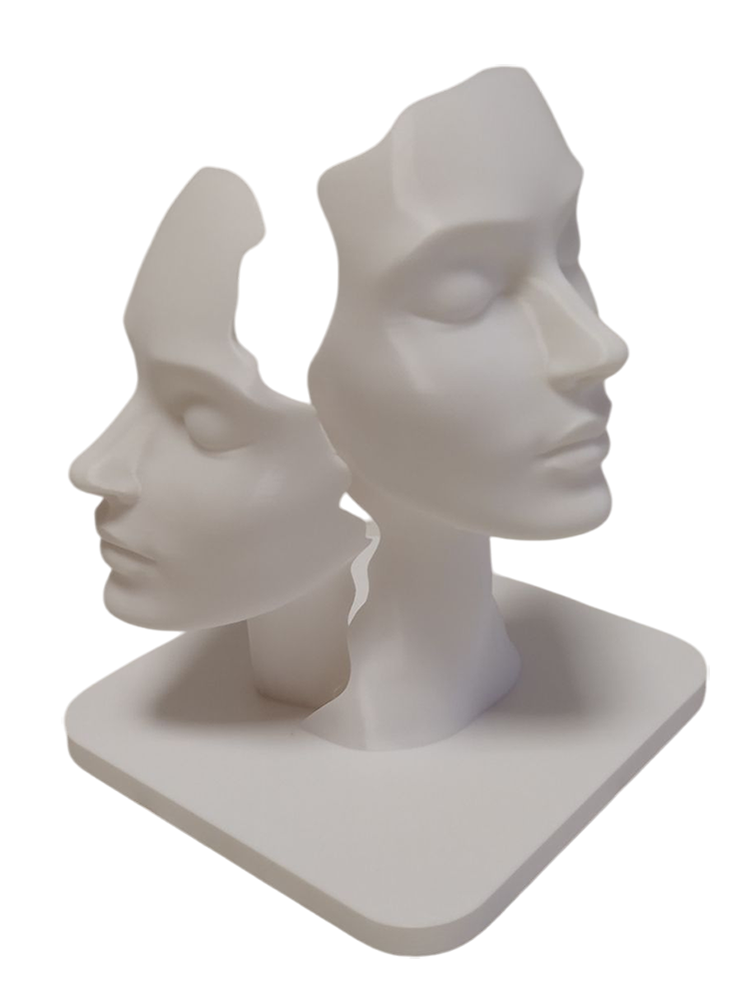
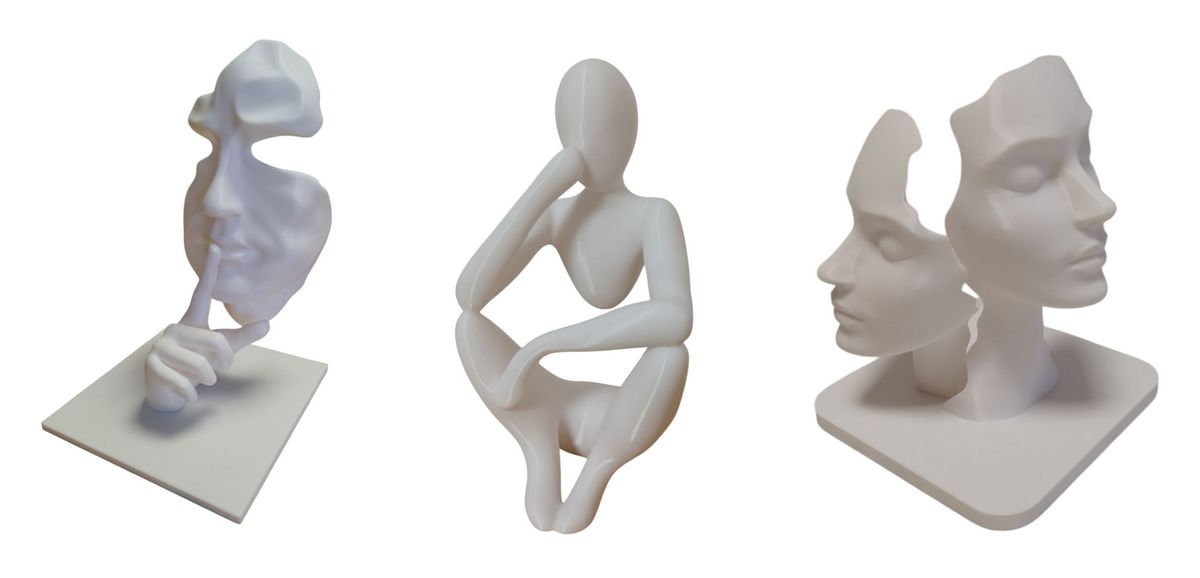
(Image Source and 3D File: MakerWorld)