3D Printing Brings Dragon Ball Z to Life
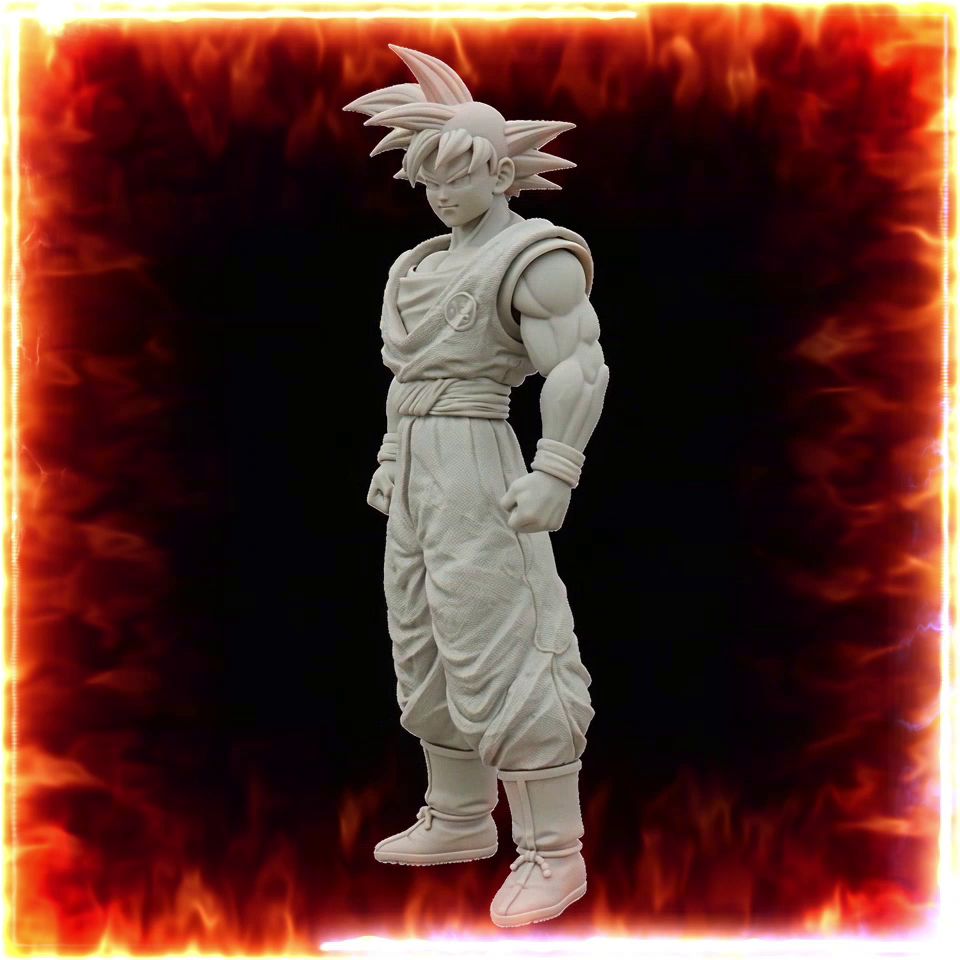
For millions of fans, Dragon Ball Z is more than just a manga or anime; it's a universe of power, emotion, and spectacular transformations. Bringing to life a figurine of Goku launching a Kamehameha attack or Vegeta in Super Saiyan form was once limited to expensive manufactured products. Today, 3D printing gives fans the ability to create, customize, and own unique pieces from this universe, with a level of detail that often surpasses traditional toys.

1. The Key: Capturing Power and Movement
3D printing excels at reproducing complex, dynamic designs—essential for bringing the aesthetic of Dragon Ball Z to life.
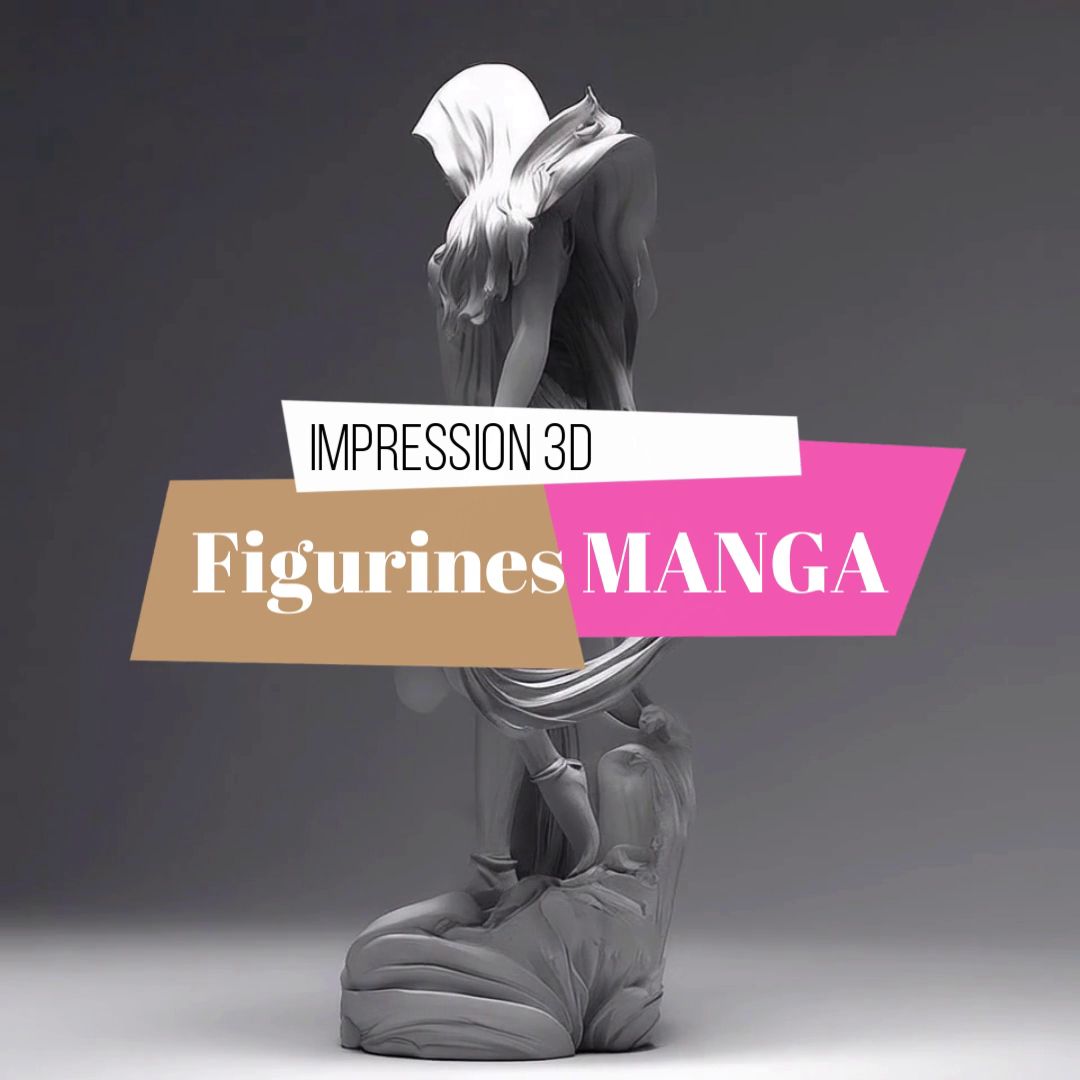
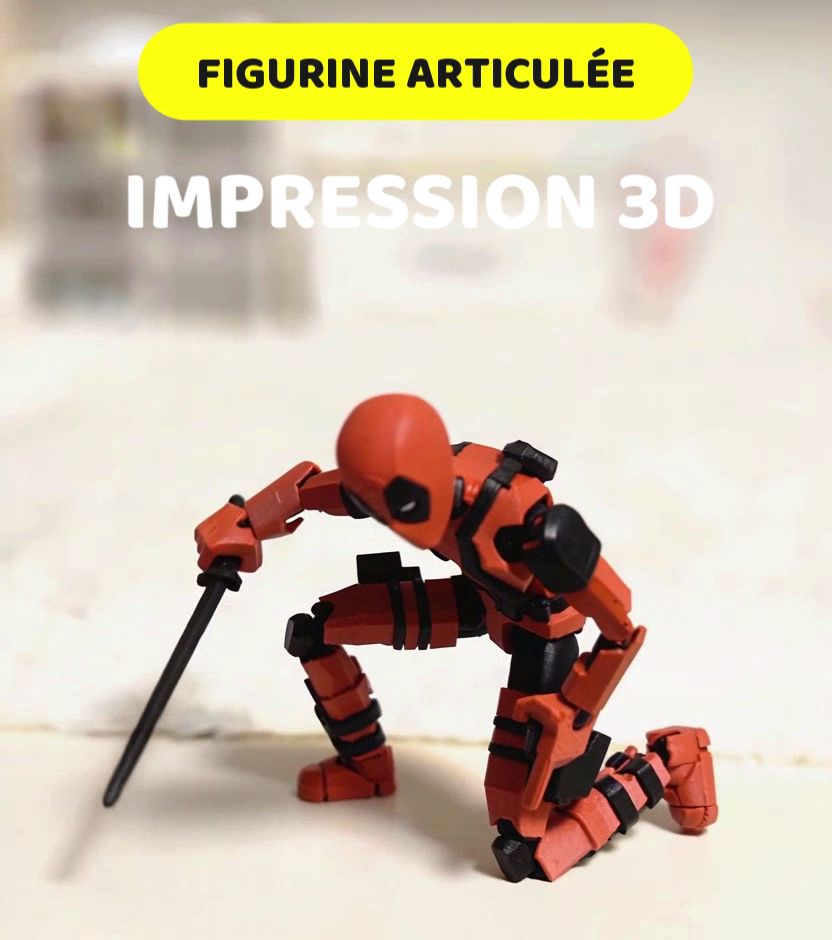
- Frozen Motion: 3D models can capture characters in full action: a lightning-fast punch, a cape billowing in flight, or muscles tensed before an attack. 3D printing lets you freeze these dynamic poses with perfect precision, where manufactured figurines are often limited.
- Aura and Energy Effects: The luminous auras surrounding warriors—the electric yellow of Super Saiyan, the blue of Ki, or the flames of Super Saiyan 3—are especially striking in 3D printing. They're often printed separately in translucent resin or transparent PETG, allowing you to integrate LED lighting for a stunning visual effect.
- Precision Detail: The level of detail in Goku's spiky hair, the torn creases of his battle suit, or Vegeta's scars are faithfully reproduced, especially with a Resin printer (SLA/DLP).
2. Technology Choice: Speed (FDM) or Detail (Resin)
The type of figurine you want to print often dictates your machine choice:
- FDM Figurines (Filament): Ideal for large sculptures or character busts. PLA is durable and affordable, perfect for creating pieces that don't need extreme resolution but prioritize scale and strength.
- Tip: Print very slowly (under ) for complex organic shapes.
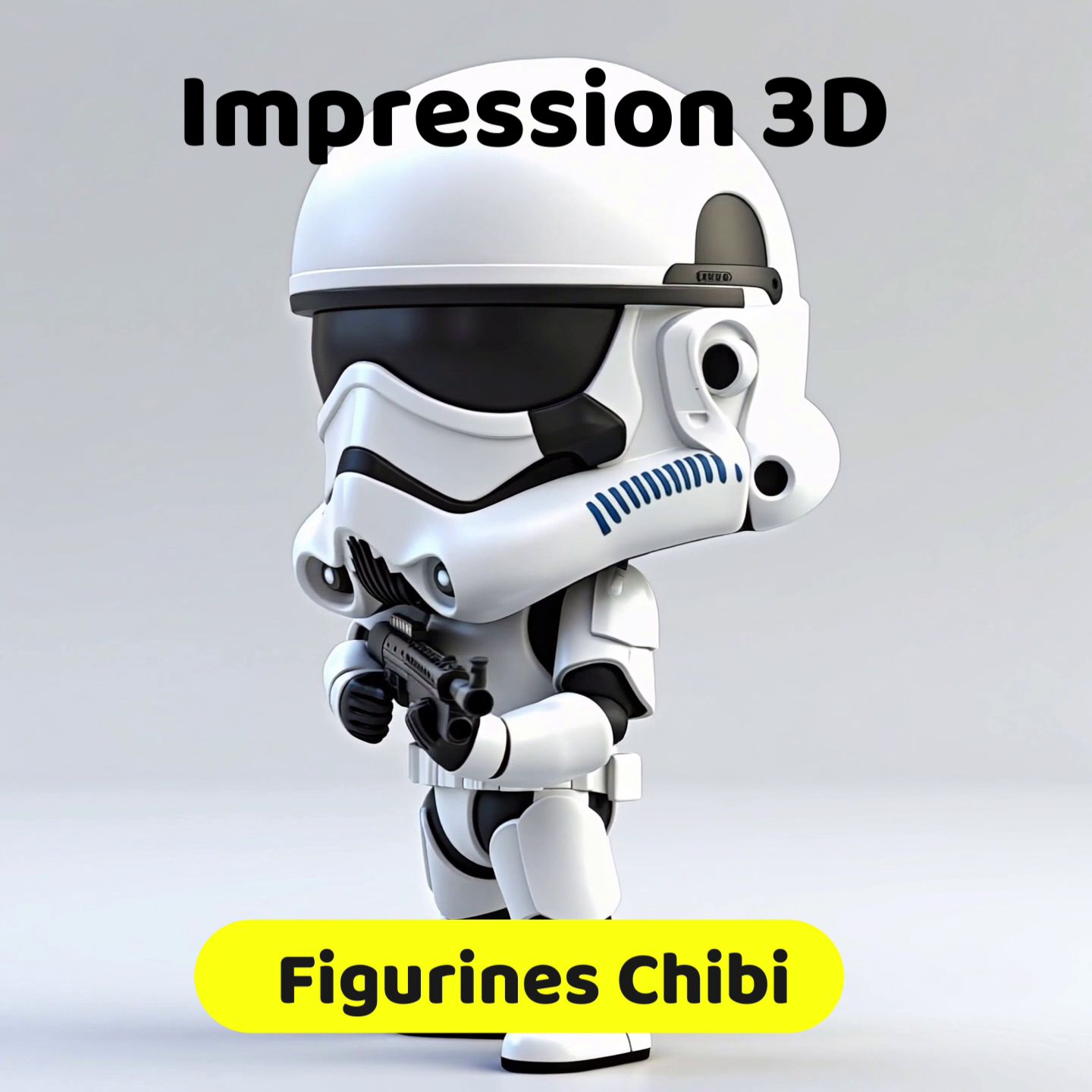
- Resin Figurines (SLA/DLP): Essential for small collectible figurines, Chibi models, or any piece requiring incredibly fine detail (faces, fingers, individual hair strands). Resin's microscopic resolution captures the intensity of Saiyan warrior expressions.
- Post-Processing: Resin parts require cleaning and UV curing after printing.
3. The Ultimate Transformation: Painting and Post-Processing
Printing is only half the work. Finishing is what separates a printed piece from a true collectible.
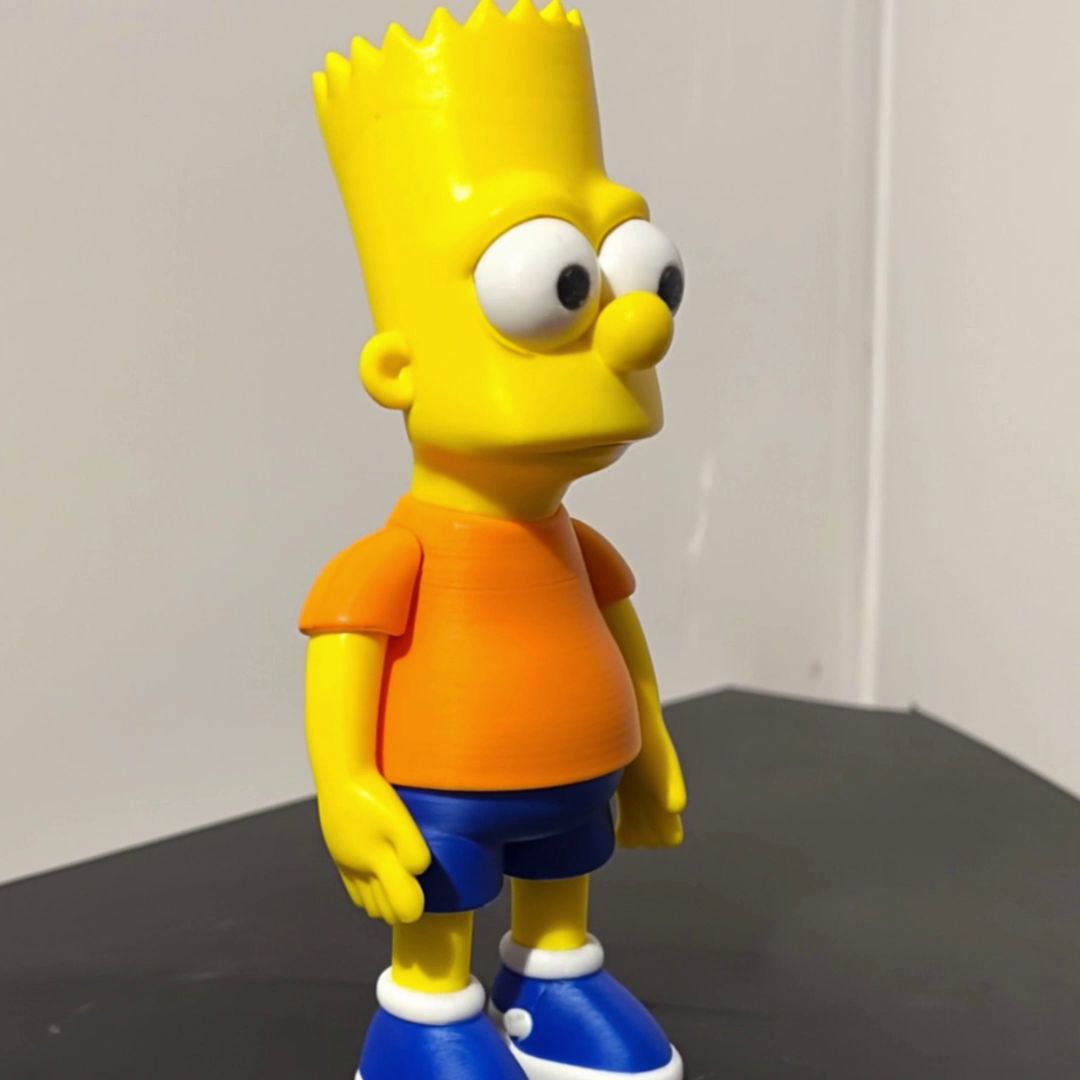
- Preparation: Meticulous sanding and a primer coat are essential, especially for FDM. Primer reveals imperfections and prepares the surface for painting.
- Colors and Cel-Shading: Many 3D artists aim to recreate the anime's visual style, known as Cel-Shading. This involves using flat, vibrant colors and adding bold, sharp black lines to define shadow areas, mimicking a hand-drawn effect.
- Electronics Integration: For attack scenes (Kamehameha, Genkidama), integrating small LEDs at the hands or base, powered by a miniature battery, adds a spectacular, immersive dimension to the figurine.
Through 3D printing, every Dragon Ball Z fan can not only own their favorite hero but become one—actively participating in creating a unique piece reflecting the power and legend of the Saiyans.