The Power of 3D Printing for Articulated Action Figures
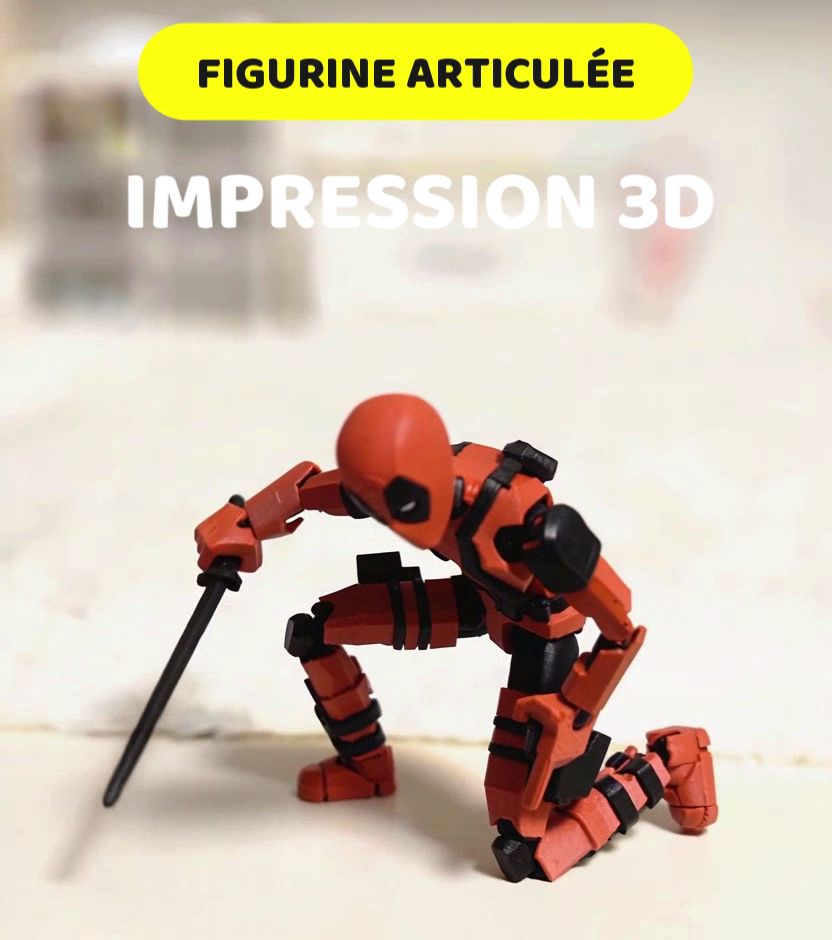
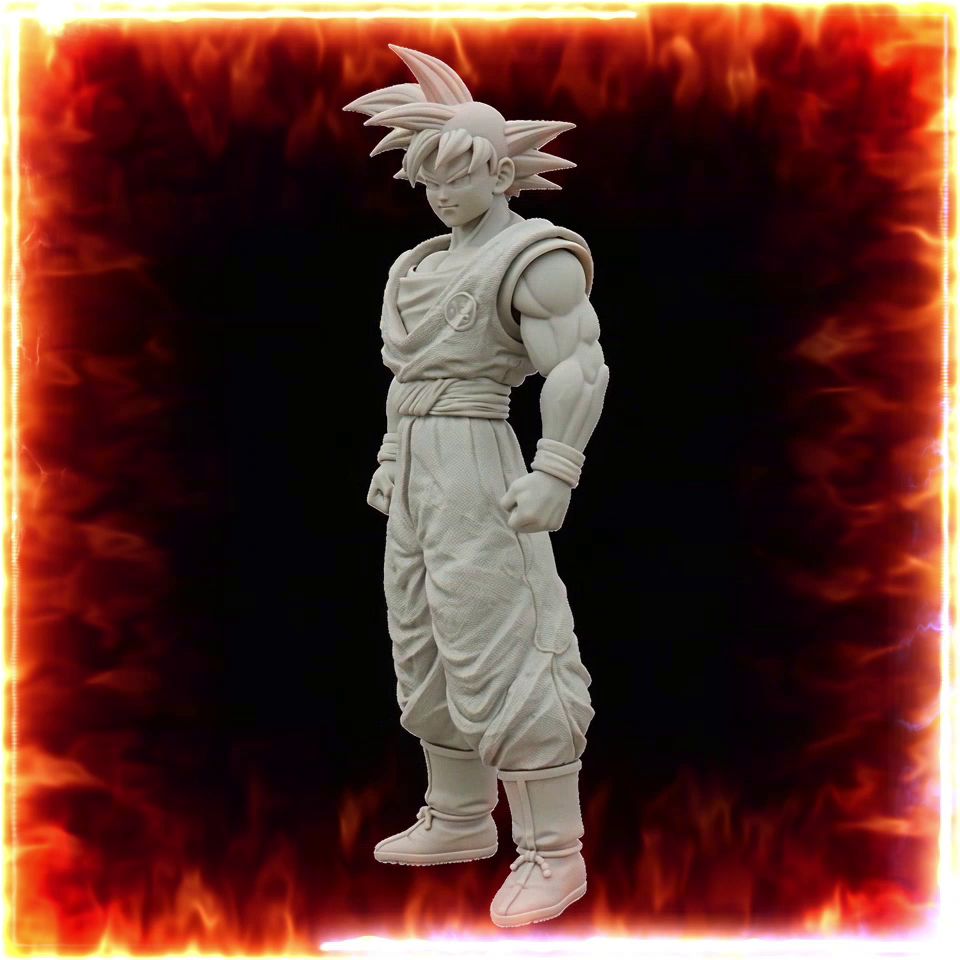
For collectors, articulated action figures are the perfect way to recreate epic scenes from comics and films. With the rise of 3D printing, fans are no longer limited to expensive models or static poses: they can design and print custom articulated superhero figures, offering unmatched pose freedom and precision.

The Difference Between Static and Dynamic
A classic statue captures a frozen moment. An articulated figure, on the other hand, captures action potential. That potential is at the heart of 3D-printed superhero figures:
- Realistic Poses: A Deadpool shouldn't just stand still; he needs to crouch, swing, or bend. Captain America should be able to throw his shield. Modeling articulated figures lets you recreate these dynamic poses with stunning realism.
- Modular Accessories: 3D printing lets you print a superhero's complete arsenal: alternate heads with different expressions, interchangeable hands to grip weapons.
Popular Articulation Systems
The functionality of these figures relies on articulation mechanisms designed specifically for 3D printing.
A. Ball Joints (Ball-Jointed Doll or BJD)
This is the most commonly used system.
- How it works: A limb attaches to a spherical ball joint that fits into a hollow socket on the torso or another joint. This system offers maximum freedom of movement (motion on all axes).
- Best for: Larger figures or models requiring complex poses (gymnastics, flying).
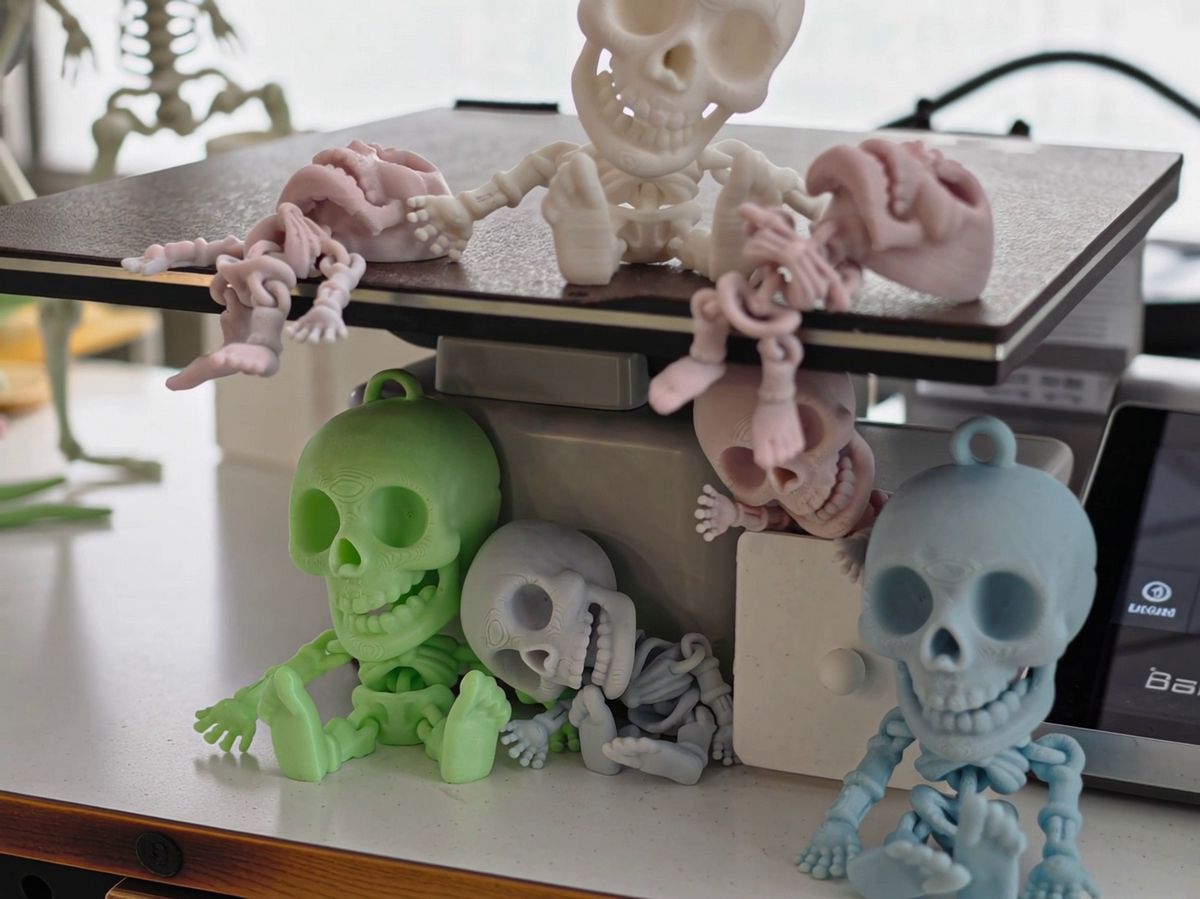
B. Print-in-Place Joints
- How it works: The joint is printed as one solid block with minimal clearance between moving parts. Once removed from the printer, the joint is ready to move.
- Best for: Smaller models or stress-relief toys (fidgets) where immediate manipulation is desired.
Optimizing for Strength and Paintability
Printing an articulated superhero presents specific challenges in materials and post-processing:
- Joint Materials: PLA is easy to print but can wear or break under stress. PETG or "ABS-like" resins (for resin printers) are recommended for ball joints and axles because they offer better flexibility and abrasion resistance.
- Tolerances: Joint success depends on perfect tolerances (the crucial "clearance"). Designers typically use to clearance to ensure pieces don't fuse but fit snugly together.
- Costume Finishing: Resin printers are the favorites for superhero figures because they reproduce the fine detail of emblems, masks, and costume textures (fabric, armor) without visible layer lines.
From Community to Commerce
Demand for these models is so strong that professional designers have become stars on platforms like Cults3D and Gambody. The most popular models, often based on film or comic designs, are sold as ready-to-slice STL files, frequently pre-separated into dozens of pieces to simplify printing and painting.
Thanks to 3D technology, every fan now has total control over their superhero pantheon, creating unique, dynamic collectible pieces ready to save the world—or at least, your living room shelf.