3D Printed Puzzles
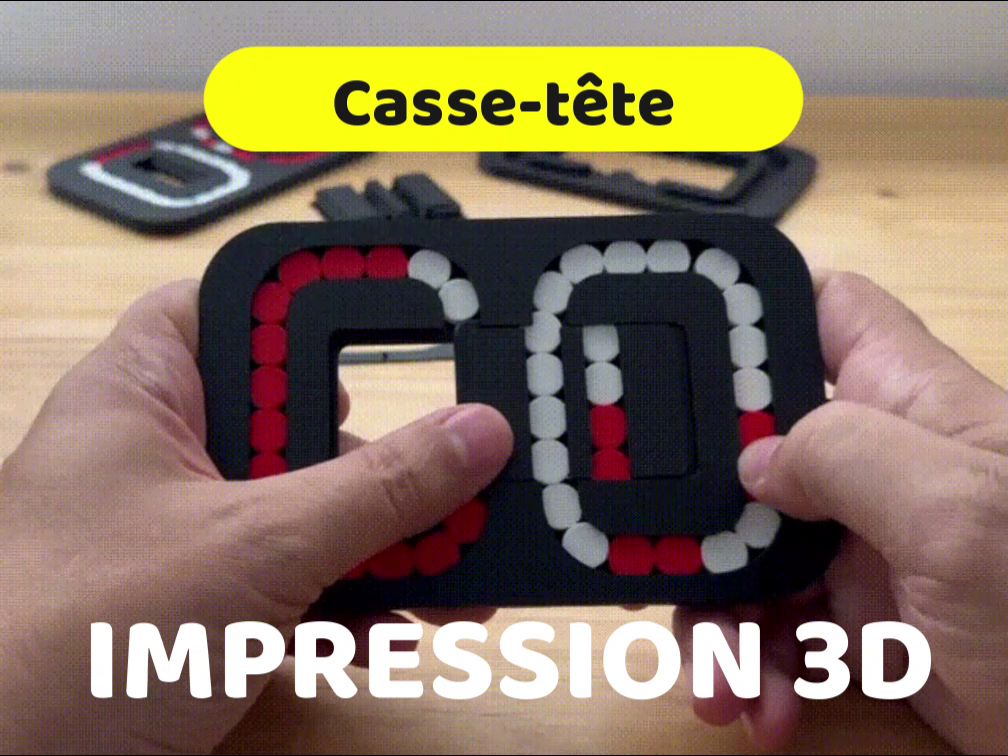
3D printing has become the ideal tool for designing and manufacturing puzzles that are complex and fully customized. These projects are extremely popular in the maker community because they combine the challenge of precise 3D modeling with the pleasure of creating a fun and functional object.

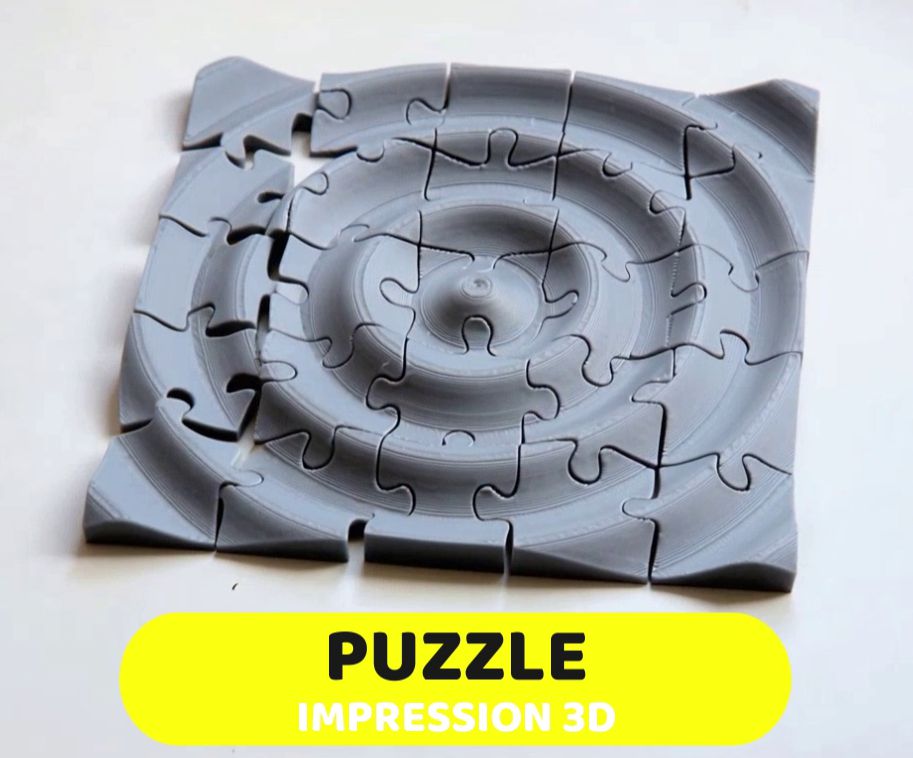
(Image Source and 3D File: Armengol13 via MakerWorld)
Why 3D Printing is Perfect for Puzzles
Additive manufacturing offers unique advantages for this type of creation, often surpassing traditional methods:
- Extremely Precise Tolerances: Mechanical puzzles (interlocking or rotational) require perfect fitting. 3D printing allows you to control the clearance between pieces to a fraction of a millimeter (often 0.1 mm to 0.3 mm). This control ensures that pieces fit together without forcing, while holding firmly in place.
- Complex Geometries: 3D printing can produce shapes impossible to achieve with subtractive methods (machining) or molding, such as interlocked pieces, internal mechanisms, or complex curved forms.
- Unlimited Customization: A single design can be easily resized, modified, or customized with different textures and colors, offering endless variations.
Types of Printable Puzzles
The world of 3D puzzles is vast. The most common types are:
- 3D Jigsaw Puzzles: These models are often massive pieces that must fit together perfectly to form a figure or structure. An excellent test for your printer's tolerance settings.
- Disassembly/Assembly Puzzles: Similar to classic wooden puzzles. You must determine the sequence of movements (sliding, rotating) to separate the pieces. The famous Burr Cube is a favorite in this category.
- Secret Box Puzzles: These models require performing a series of precise actions (pushing, pulling, tilting in the right order) to unlock an interior compartment. They often integrate complex internal mechanisms entirely 3D printed.
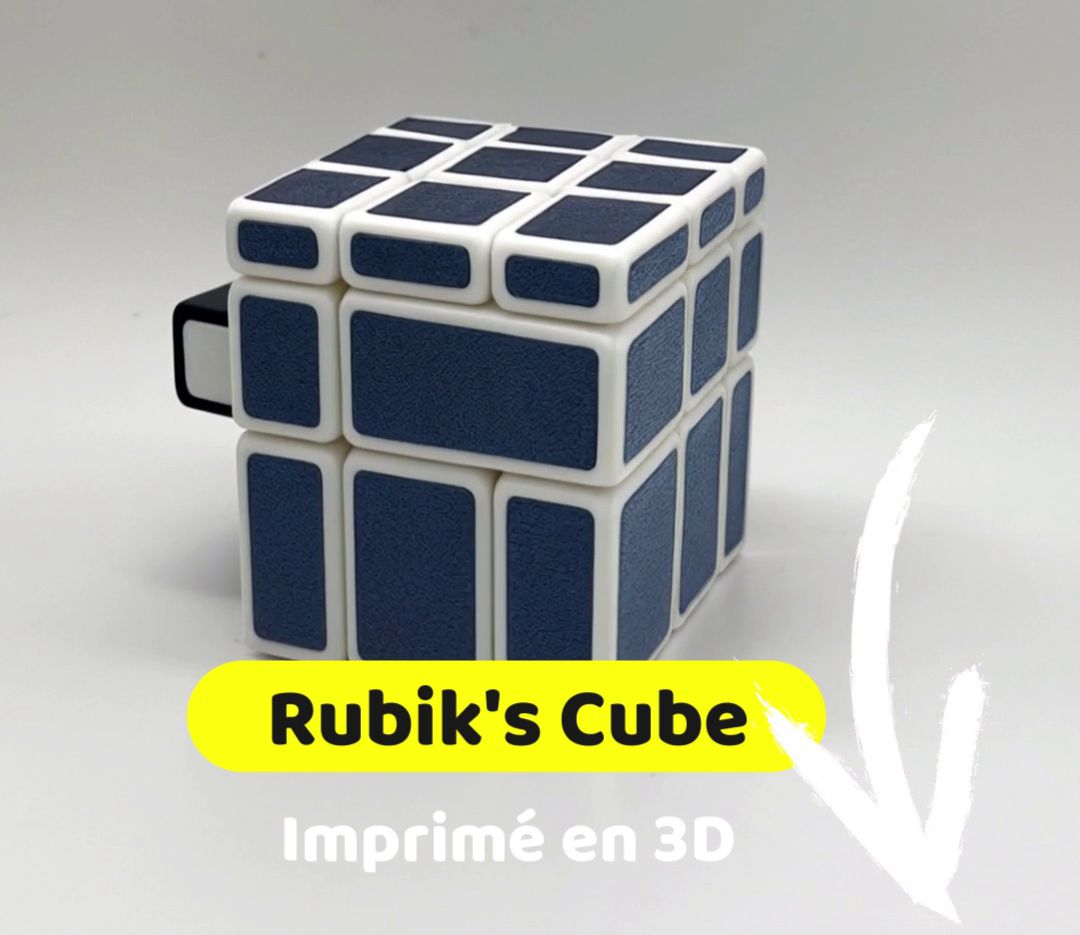
- Rotational Puzzles (Rubik's Cube Type): These are the most technical, as they require robust and highly precise internal mechanisms to allow face rotation.
Technical Tips for Successful Printing
The success of a puzzle depends on both design and print quality:
- Materials: PLA is often the material of choice for its rigidity and ease of printing. For parts subjected to significant friction, PETG can be used for its better wear resistance.
- Tolerance (Clearance): This is the most critical parameter. For parts intended to slide or rotate, start with a 0.2 mm clearance between faces. Too little clearance will cause binding or require intensive sanding.
- Speed and Quality: Print mechanism parts at moderate speed and with a fine layer height of 0.15 mm or less. Slower printing minimizes bloating and maximizes shape precision.
- Lubrication: For moving parts after printing, applying a dry lubricant (such as graphite or Teflon powder) can significantly improve sliding and movement.
3D printed puzzles are not just a hobby: they are an exceptional testing ground for mechanical precision and mastering the parameters of your printer.