The Art and Technique of 3D Printing Puzzles
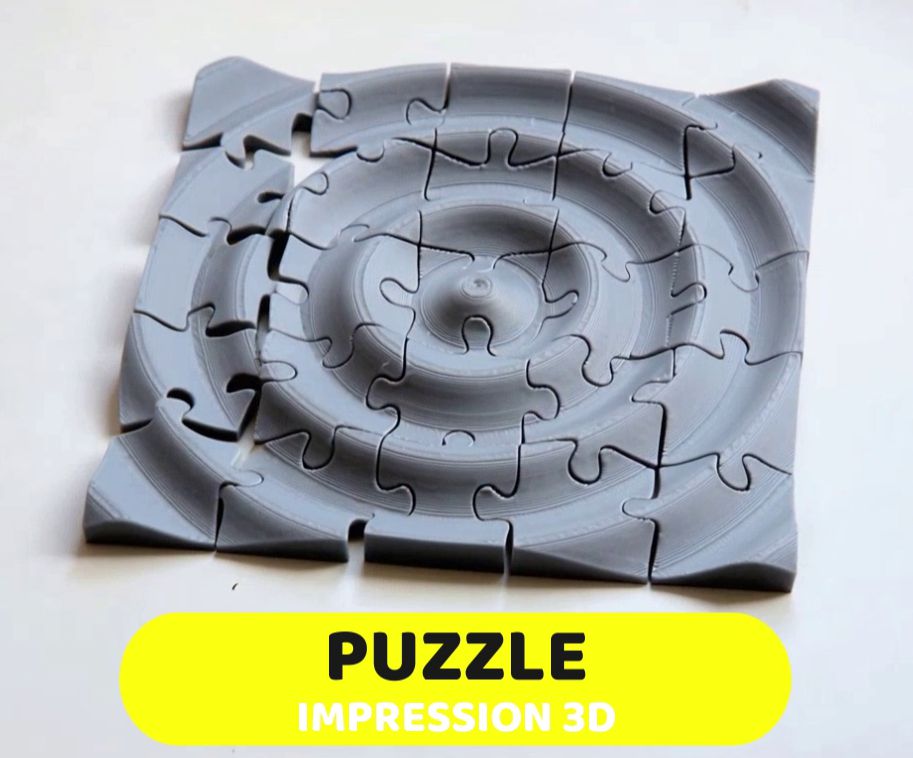
3D printing is revolutionizing the world of games and puzzles by offering unlimited possibilities for customization and complexity. 3D printing a puzzle isn't just about reproducing an existing model—it's about mastering precision, interlocking, and creativity to create unique games, whether flat, articulated, or mechanical.

(Image Source and 3D File: El Chloro via MakerWorld / sidetag via MakerWorld)
Custom Flat Puzzles (2D)
The classic 2D puzzle is the ideal starting point for 3D printing.
- Image Customization: Makers can create a puzzle from any photo or illustration. The 3D model is first designed like a traditional puzzle, then the flat surface is processed for color.
- Multi-Color Technique (MMU): For color rendering faithful to the image, printers equipped with multi-material systems allow alternating colors at very fine layers, printing the image layer by layer.
- Interlocking Technique: 3D printing guarantees perfect piece cutting and precise fit. The critical parameter is tolerance (clearance). You need to leave a microscopic gap (often between 0.1 mm and 0.3 mm) between pieces so they interlock without sticking, especially at the first layer (the "elephant's foot" effect).
Complex Puzzles and 3D Brainteasers
3D printing excels where traditional methods fail: manufacturing complex volumes.
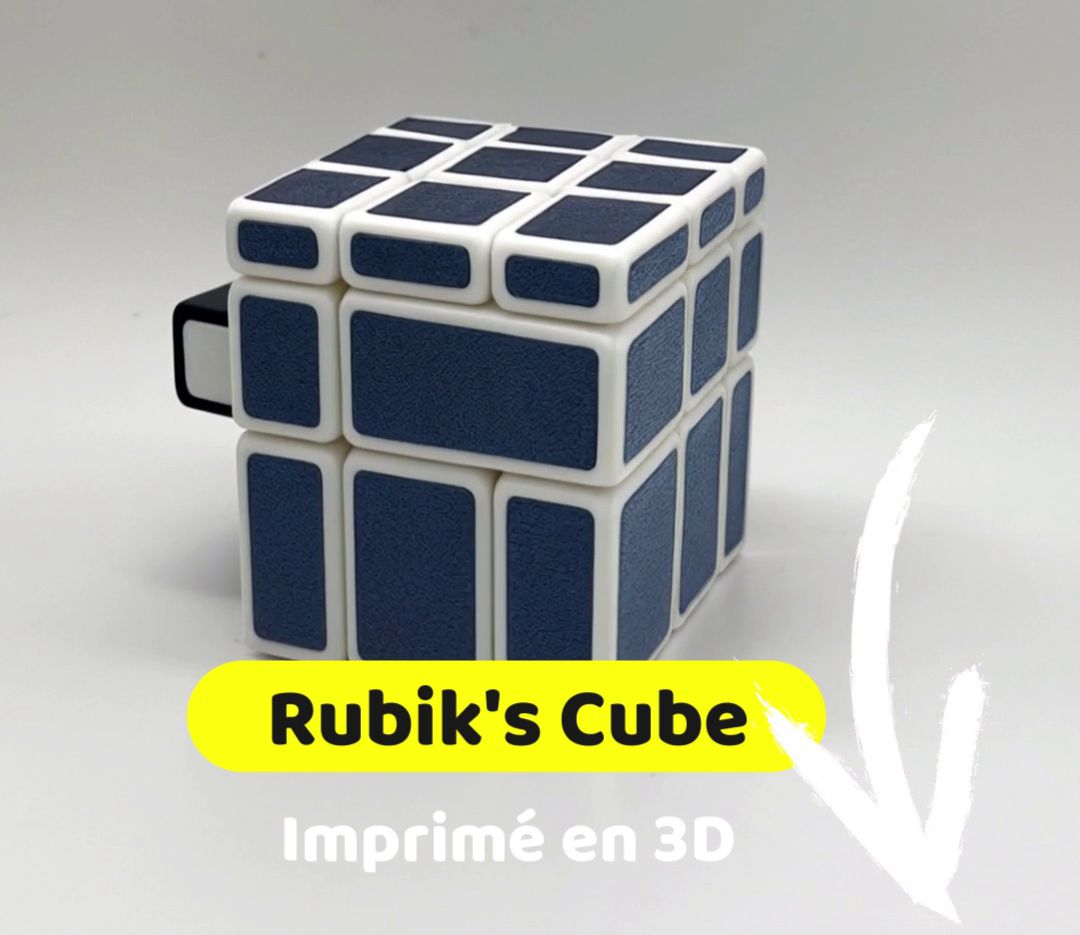
- Volumetric Puzzles: Print a cube, sphere, or figurine cut in 3D. These pieces must not only interlock perfectly, but also respect the continuity of the final volume. They're often used for educational projects (assembling a dinosaur skeleton or molecular structure).
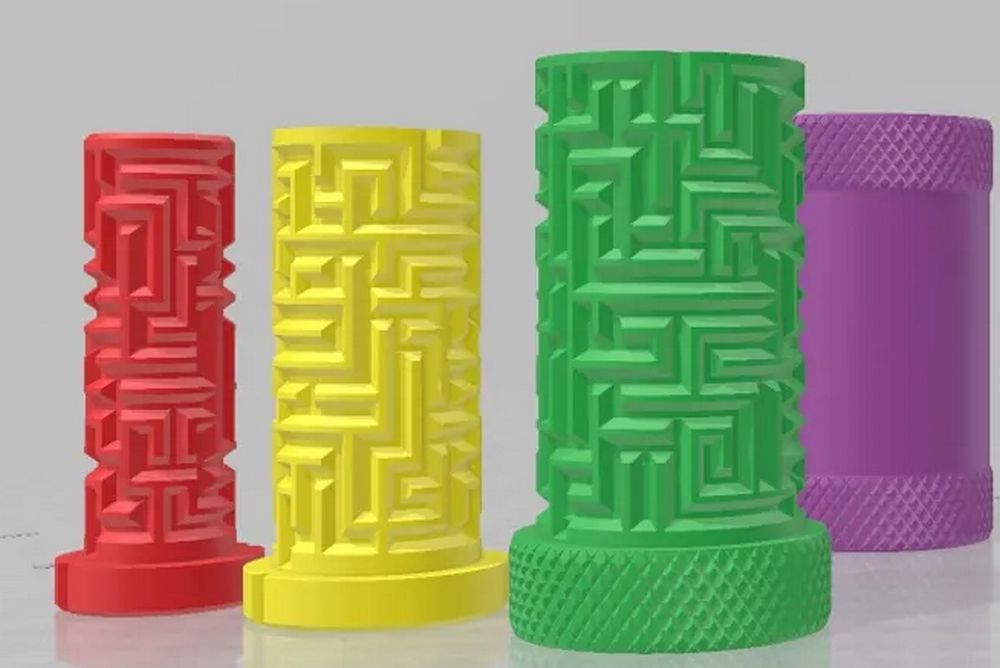
- Puzzle Boxes: These are mechanical brainteasers—the box only opens after a specific sequence of moves or activation of a hidden mechanism. 3D printing allows you to design complex pin systems, locks, and hinges, either integrated or easy to assemble, transforming the box into a true playful safe.
Print-in-Place and Articulated Puzzles
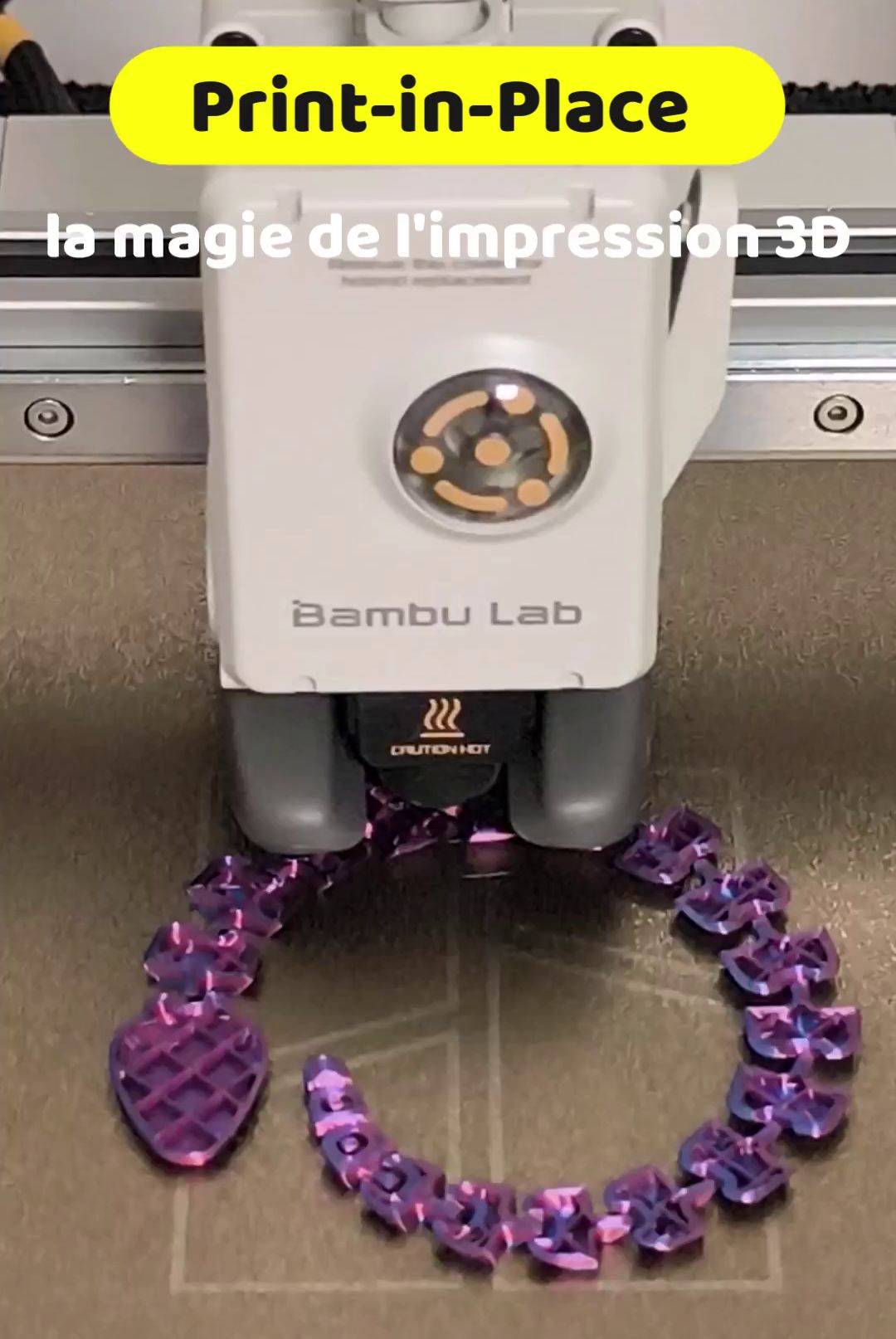
This is the most spectacular technique, creating an already-assembled puzzle on the build plate.
- Articulated Off the Printer: Some articulated puzzle models (like chains, flexible animals, or multi-axis figurines) are designed to be printed all at once, with pieces already connected. The secret lies in the extremely precise clearance that prevents layers from fusing together.
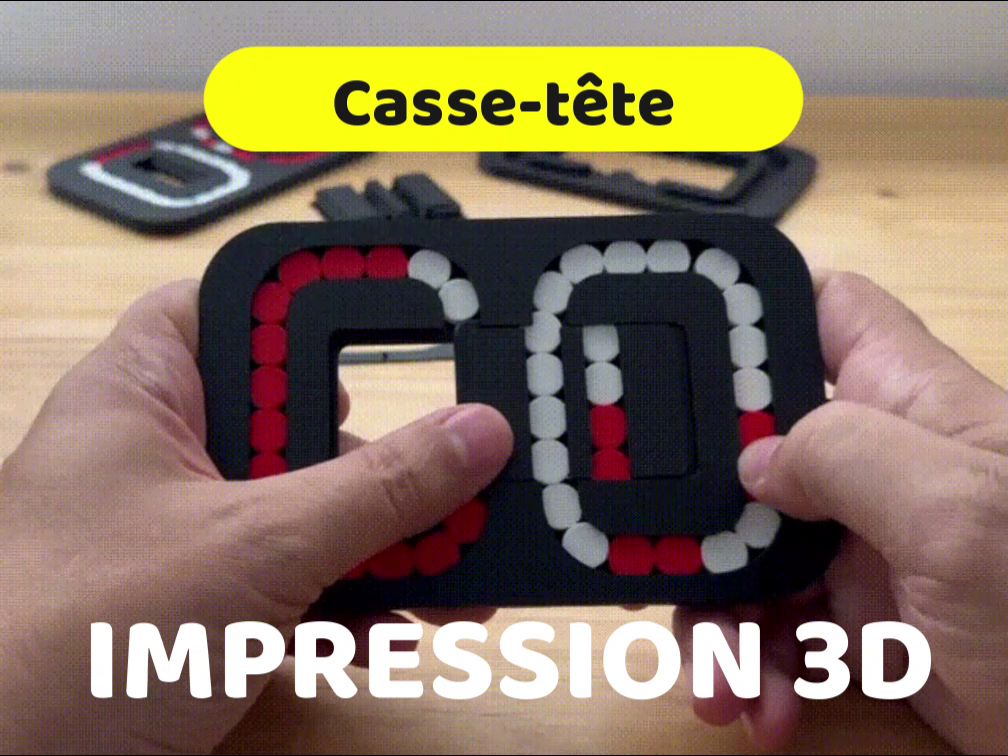
- Sliding Brainteasers: Digital puzzles (like sliding number or image blocks) are classics of "Print-in-Place." The printer creates the base and sliding blocks with minimal spacing, making the game immediately functional.
Materials and Tips for Durability
- Filament Choice: PLA is ideal for decorative or tabletop puzzles. For puzzles that will be handled frequently or have fine mechanisms (like puzzle boxes), PETG or Nylon are preferable for their wear resistance and slight flexibility.
- Critical Adjustment: The key element is printer calibration. If pieces of an articulated puzzle stick, you need to slightly increase the model's tolerance or reduce the amount of extruded plastic (flow) to ensure clearance gaps aren't filled.
3D printing a puzzle is an excellent way to test the limits of your machine and creativity, delivering a fun, technical, and entirely unique object.