Titanium 3D Printing: Benefits, Technologies and Challenges

Titanium 3D printing has become the driving force behind industrial additive manufacturing, particularly in sectors where the strength-to-weight ratio is critical. Here's a structured overview to understand this cutting-edge technology.
✅ Why Titanium 3D Printing?
Titanium is an exceptional metal, but difficult to machine using traditional methods. 3D printing solves this problem by depositing only the material needed. Its main advantages are:
-
Strength-to-weight ratio: Lighter than steel, yet equally strong.
-
Biocompatibility: Ideal for medical implants (bone, dental) because the body doesn't reject it.
-
Corrosion resistance: Resistant to seawater and many chemical agents.
✅ Leading Technologies in Titanium 3D Printing
Titanium 3D printing doesn't use simple filament, but mainly relies on two laser or electron beam processes:
Laser Powder Bed Fusion (L-PBF / SLM)
This is the most common method. A high-power laser locally melts thin layers of titanium powder.
Electron Beam Melting (EBM)
This uses an electron beam under vacuum. The process is faster than laser and produces parts with fewer thermal stresses, since the powder bed is maintained at high temperature.
✅ Main Applications
| Industry | Typical Use |
| Aerospace | Engine parts, satellite brackets, lightweight structural components. |
| Medical | Custom hip prostheses, cranial implants, spinal cages. |
| Automotive | High-performance exhaust systems, F1 suspension parts. |
| Luxury | High-end watch cases, complex eyeglass frames. |
✅ Challenges and Limitations of Titanium 3D Printing
Though revolutionary, this technology has significant obstacles:
-
Cost: Titanium powder (often Grade 5 or Ti6Al4V) is extremely expensive.
-
Post-processing: Parts often require oven treatment (annealing) to relieve internal stress and finish machining for smooth surfaces.
-
Safety: Titanium powder is highly flammable and requires controlled environments (inert gas like Argon).
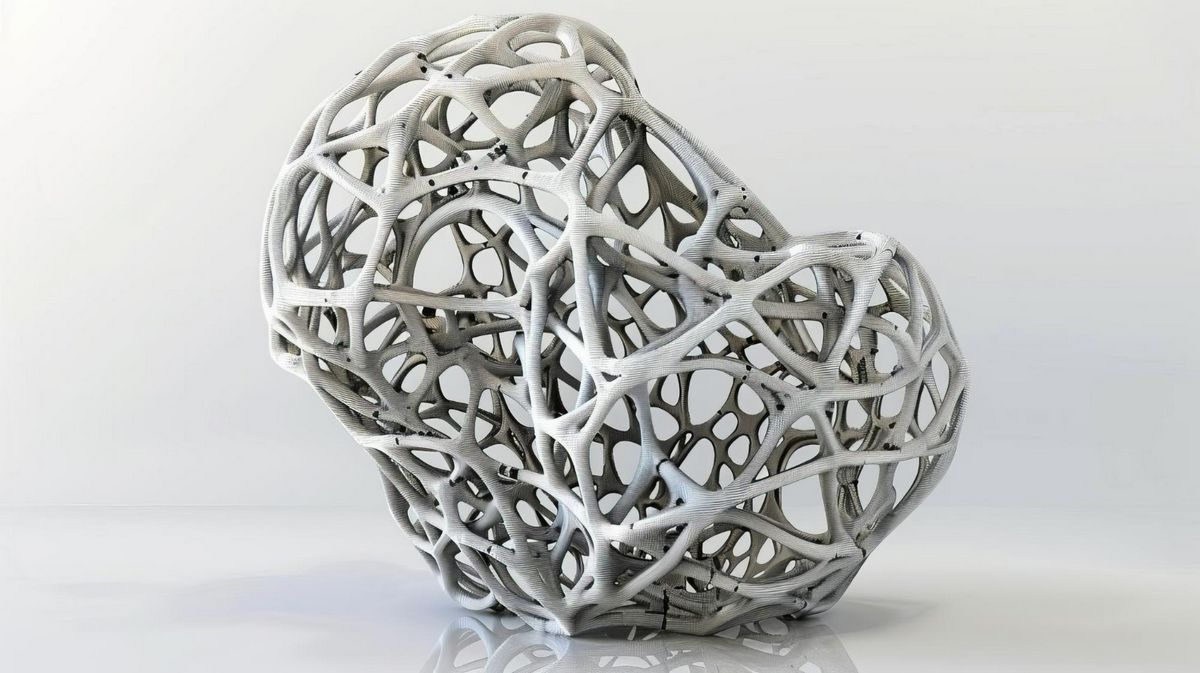
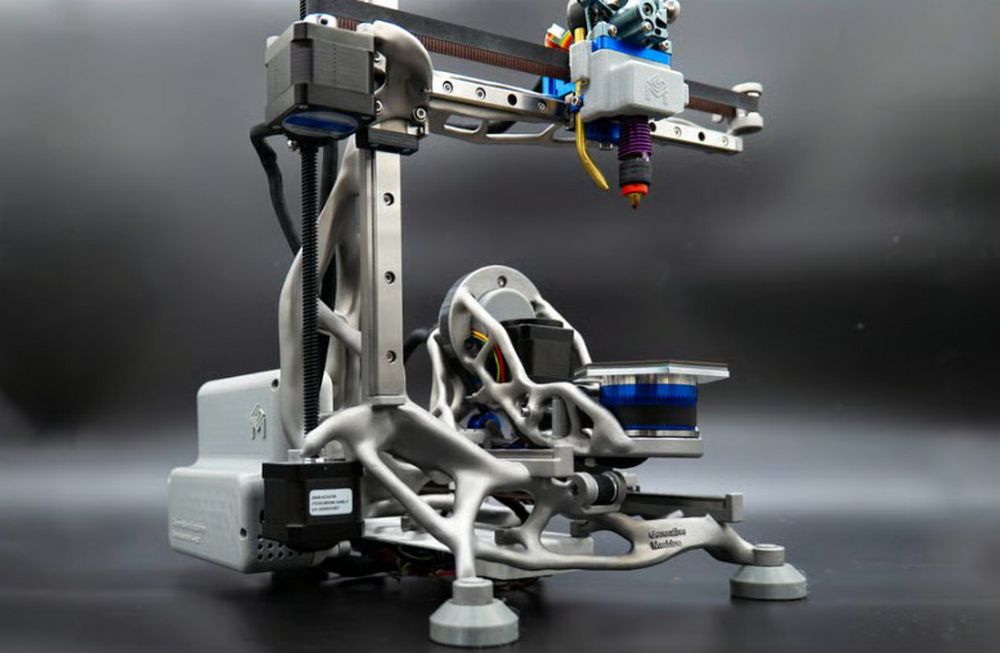
Did you know? Through topology optimization, 3D printing enables the creation of "organic" structures impossible to cast or machine, reducing a part's weight by up to 60% while maintaining strength.
More than just a manufacturing method, titanium 3D printing is redefining how we build the world. From precision surgery to space exploration, it transforms weight constraints into design opportunities. For businesses, the challenge is no longer whether this technology works, but learning to design for it to unlock its full competitive potential.
Key takeaways (summary):
-
Performance: Unbeatable weight-to-strength ratio.
-
Freedom: Geometries impossible to achieve through machining.
-
Future: Progressive cost reduction and expanding applications.