GenerationOne 5-Axis 3D Printer
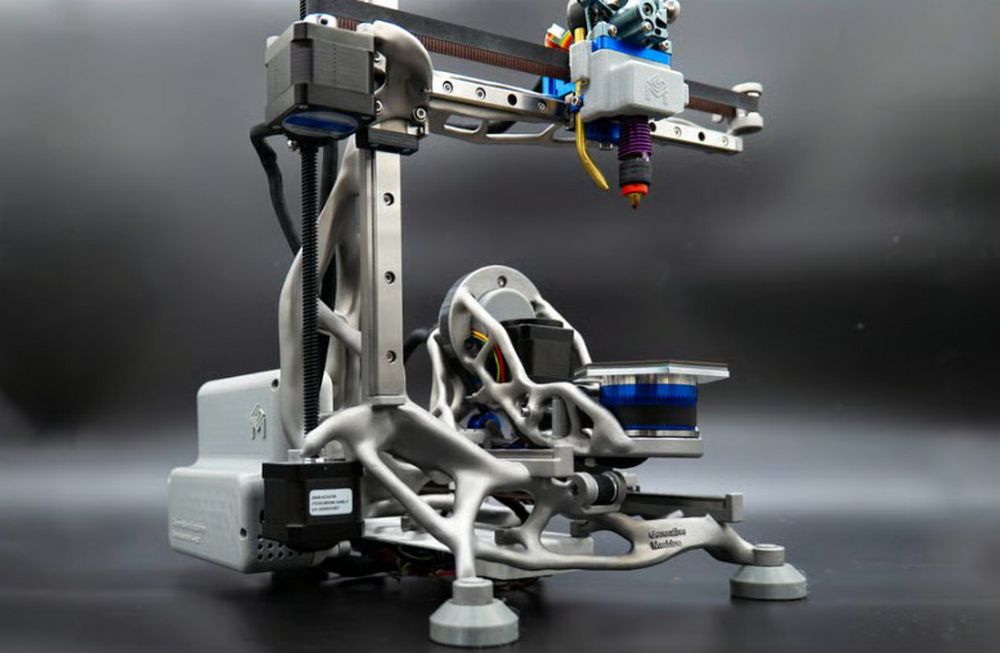
The GenerationOne 5-axis (often associated with innovation in 3D printing or precision CNC machining) represents a major turning point in additive and subtractive manufacturing. Unlike traditional 3-axis systems (X, Y, Z), this technology introduces two additional rotation axes, opening the door to unprecedented geometric complexity.
Here's an overview of how this technology is changing the industry.

✅ What is 5-Axis Technology?
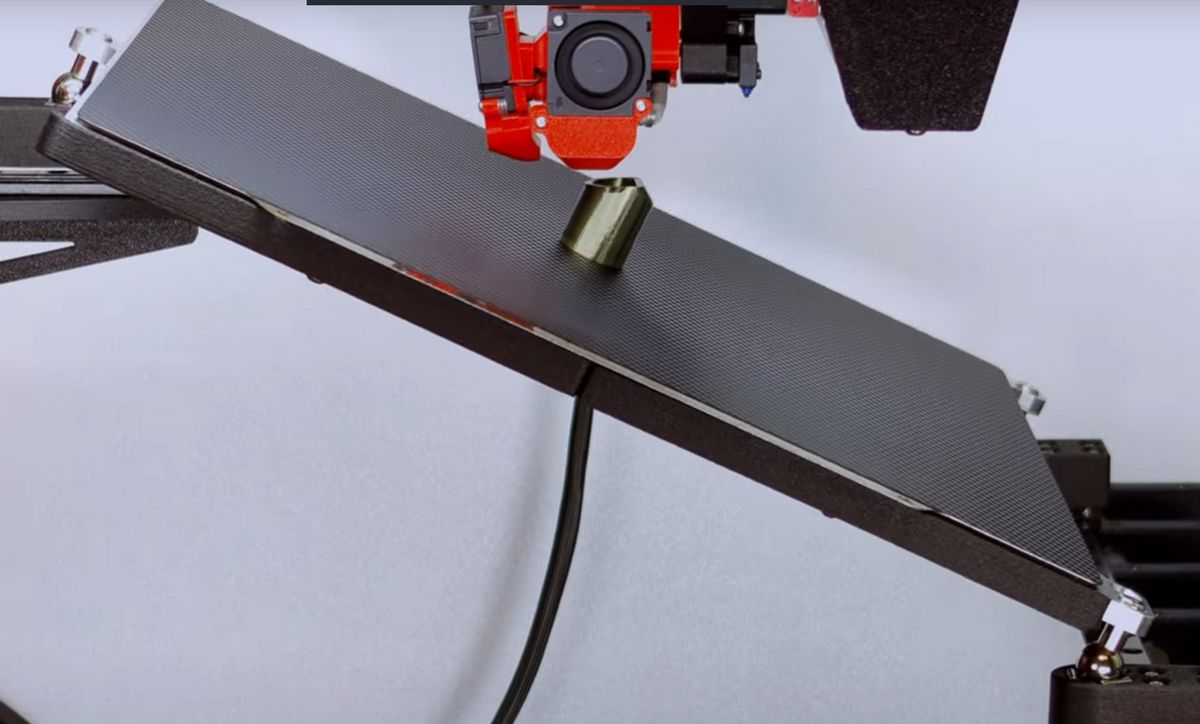
To understand it properly, you need to visualize the freedom of movement. While a standard machine moves up and down and back and forth, the GenerationOne allows the tool or workpiece to tilt and rotate.
-
Linear Axes: X, Y, Z (standard spatial movements).
-
Rotational Axes: Typically the A axis (rotation around X) and the B or C axis (rotation around Y or Z).
✅ Key Advantages of the GenerationOne
🚀 Total Geometric Complexity
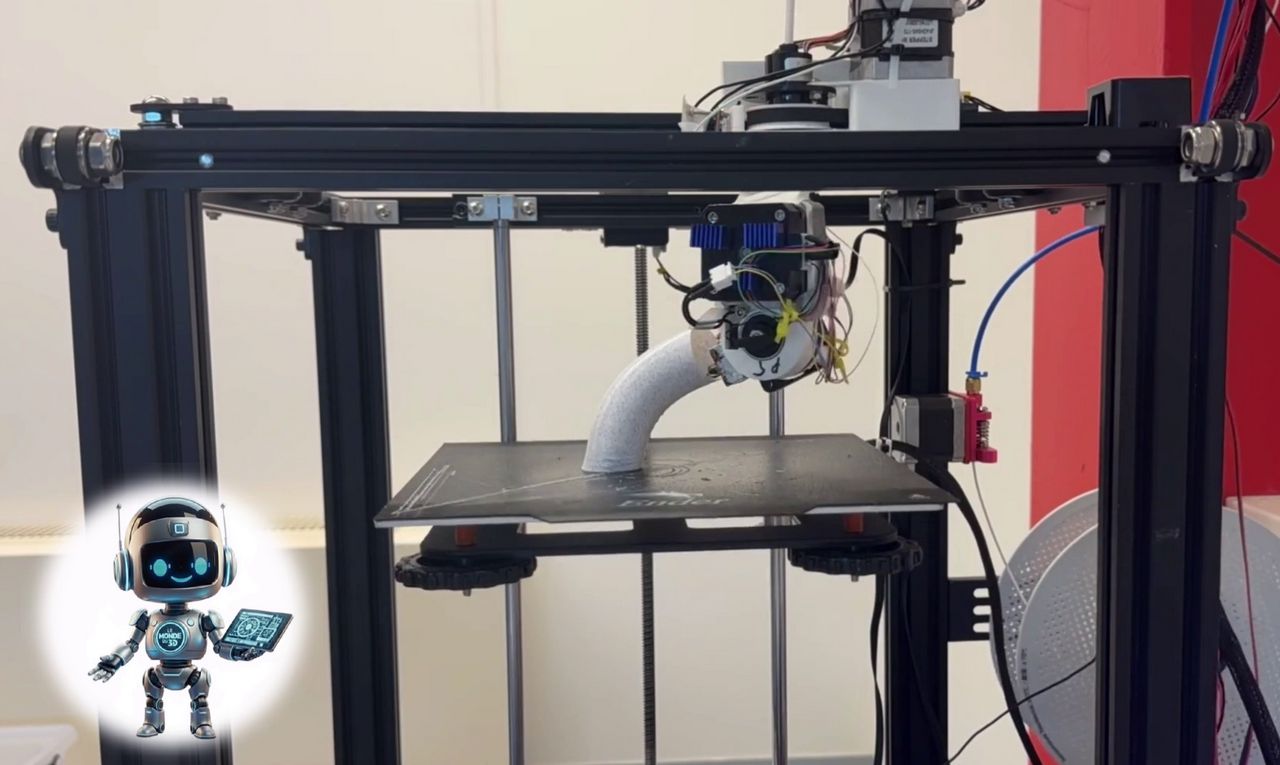
The most obvious advantage is the elimination of support structures. In traditional 3D printing, overhangs require sacrificial material. With 5 axes, the print head can orient itself to always print "flat" relative to gravity or the angle of the part, enabling organic shapes and cantilevers that were previously impossible.
💎 Superior Surface Finish
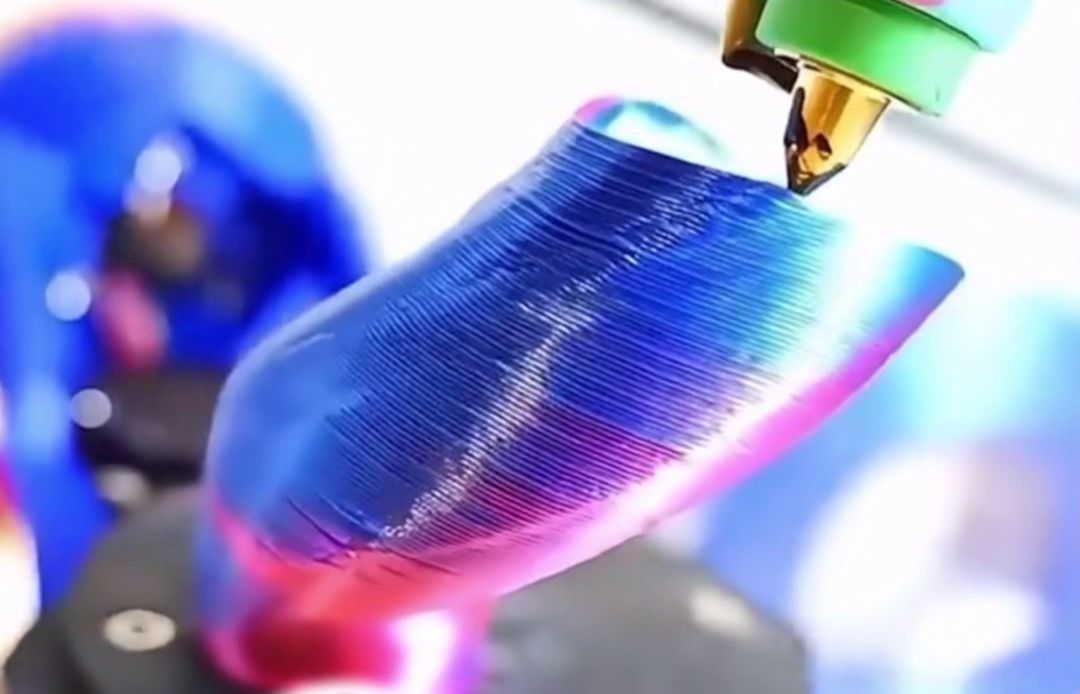
In machining or printing, access to difficult angles allows the use of shorter tools (more rigid) and following the natural curves of the object. This significantly reduces the "stair-stepping" effects typical of layer-by-layer manufacturing.
⏱️ Time and Efficiency Savings
-
Reduced repositioning: You can machine or print a complex part in a single setup, without having to manually reposition it.
-
Material optimization: Fewer supports mean less waste and less post-processing (sanding, cutting).
✅ Industrial Applications
| Industry | Use |
| Aerospace | Fabrication of turbine blades and lightweight structural components. |
| Medical | Custom prosthetics and ultra-precise dental implants. |
| Automotive | Rapid prototyping of engine parts and aerodynamic optimization. |
| Design / Art | Creation of sculptures with impossible-to-mold forms. |
✅ The Challenges of This Generation
It's not just a matter of mechanics. The real challenge with the GenerationOne lies in the software (Slicer/CAM). Calculating the tool path that moves simultaneously across 5 axes requires far more computing power and sophisticated algorithms than 3-axis systems. The learning curve for operators is also steeper.