Stay Cool? I 3D Printed the Ultimate Solution
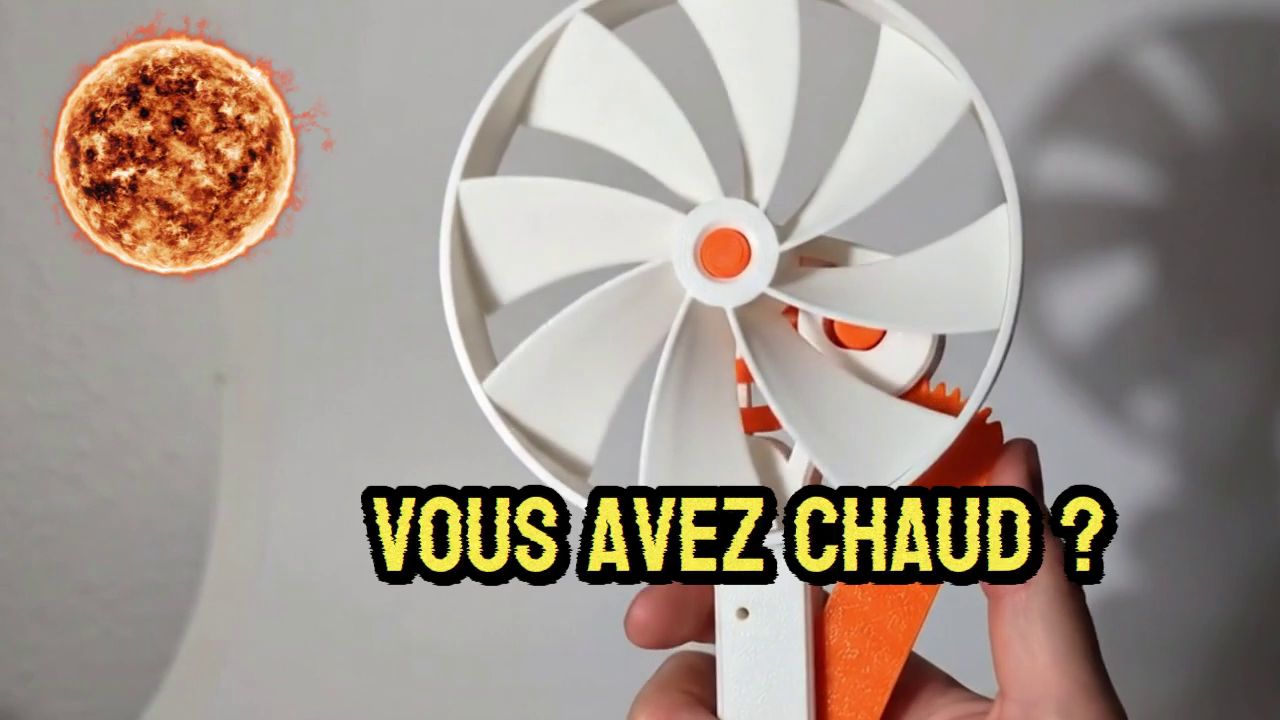
As scorching heat sets in, finding a way to cool down on the go becomes a matter of survival. Forget battery-powered mini fans that die at the worst moment or fragile paper fans. This summer's solution is made at home, costs just a few cents, and runs on pure elbow grease: the 3D printed squeeze-powered fan. Download this fan 👉 MrHegger via MakerWorld
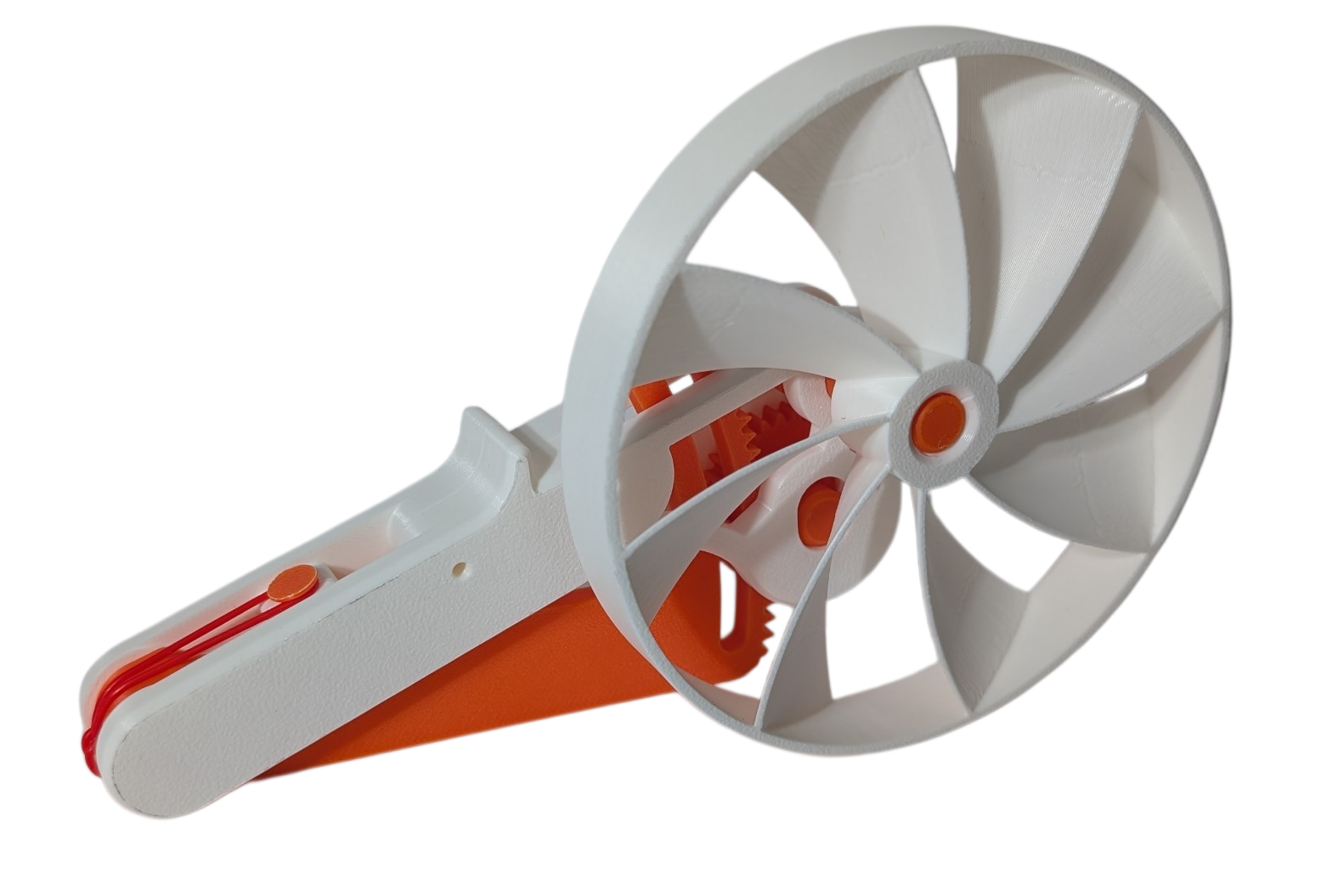
(Image Source and 3D File: MrHegger via MakerWorld)
✅ What Is a Squeeze-Powered Fan?
Hidden beneath its small plastic gadget appearance lies fascinating mechanics. The principle is based on converting kinetic energy.
When you squeeze the handle (the trigger), a gear system (a rack and pinions) multiplies the force from your hand. This energy is transferred to a flywheel—a weighted piece that stores rotational energy—which then spins the fan blades at high speed. Release the handle, and a spring (often 3D printed itself) returns it to its starting position, while the flywheel keeps the blades spinning thanks to the momentum it has built up.
✅ Why This Is the Perfect 3D Printing Project Right Now
-
100% Self-Powered and Eco-Friendly: No USB cables, lithium batteries, or disposable cells needed. You are the power source. It's always ready to go, whether you're on the subway, at the beach, or at a music festival.
-
A Satisfying Object (Fidget Toy): Beyond the breeze it creates, the repeated squeezing motion and the clicking of the gears deliver a tactile experience very similar to a stress-relief toy (fidget toy).
✅ Tips for Printing Success
If you're planning to print this model today, here are the technical points you shouldn't overlook to get a fully functional result:
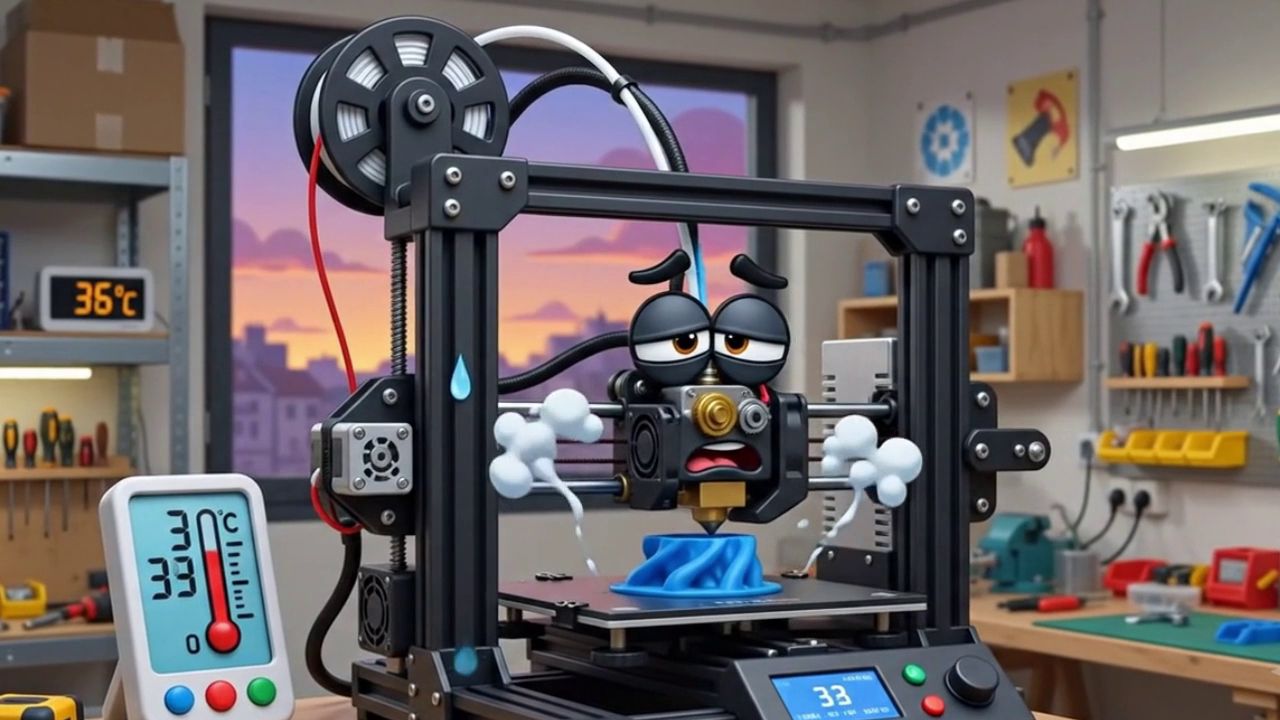
1. Choose the Right Filament (Watch Out for Heat!) Although PLA is the easiest material to print, it has a major flaw in summer: it warps at 50°C and above. If you leave your fan on a car dashboard in direct sunlight, it will melt. Stick with PETG or ABS/ASA, which handle summer temperatures much better.
2. Master Your Tolerances The magic of this fan lies in how smoothly its gears mesh. Make sure your 3D printer is properly calibrated, especially your extrusion flow rate. If the parts are too tight, the mechanism will jam; if they're too loose, the gears will slip.
3. The Secret to Smooth Operation: Lubrication Once the object is printed and assembled (or separated if it's a print-in-place model), apply a tiny drop of dry lubricant (like PTFE or silicone grease) to the gears. This will cut down on plastic friction noise and dramatically increase the speed of the fan blades.
✅ In Short: Your Summer Essential
This little squeeze fan is so much more than just a seasonal gadget: it's a fun, eco-friendly project that's deadly effective against heat waves. Whether you're cooling off on public transit or impressing your friends...
All that's left is to pick your favorite filament color, double-check your settings so the gears turn smoothly, and download the file. To beat the heat wave, you know what you have to do: on your marks, get set... print!