3D Printed Stress Relief Toys: Fidget Toys
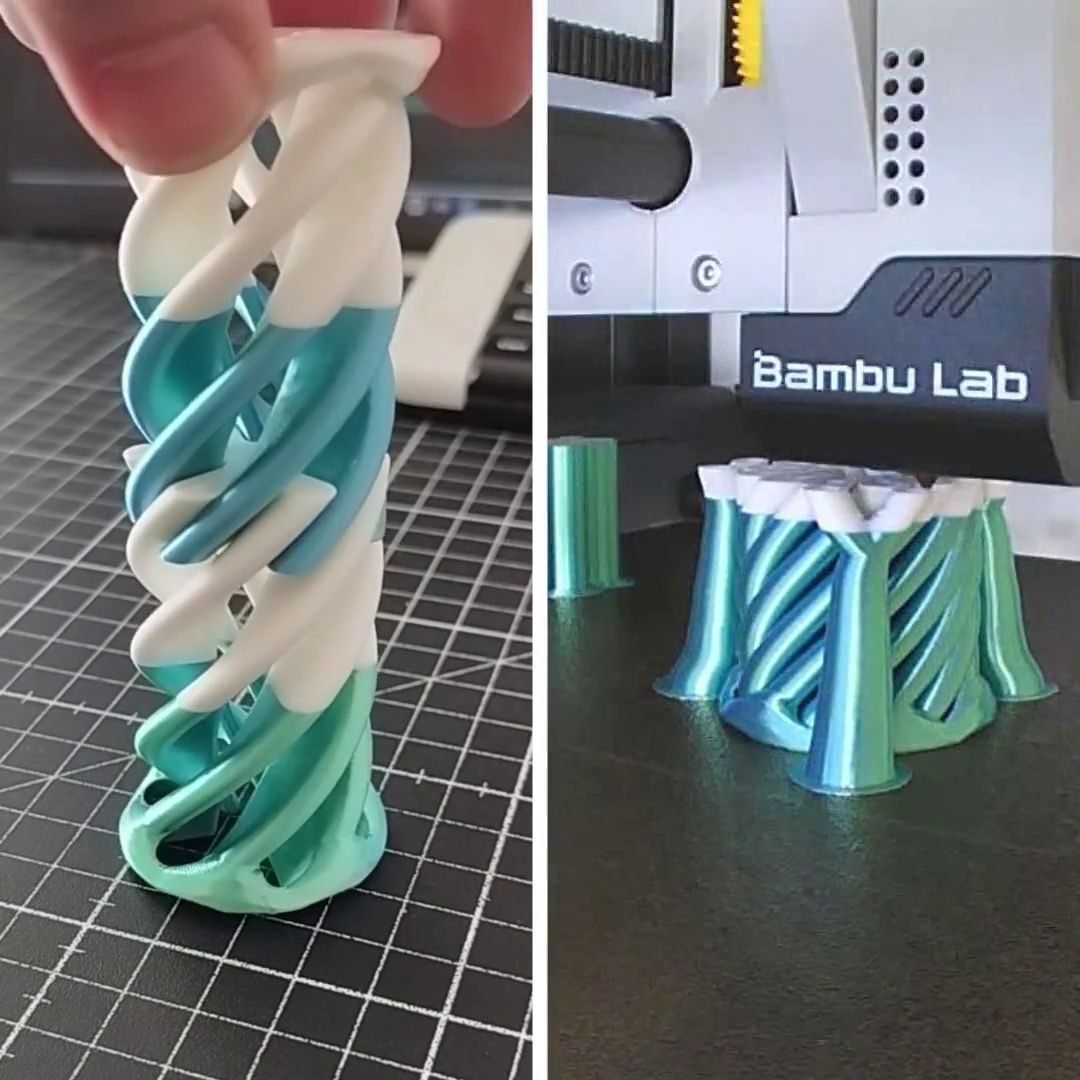
With the rise of 3D printing, a new trend has emerged to help manage stress and anxiety: personalized stress-relief toys. Gone are the days of plain foam balls—welcome to a world of tactile and mechanical creations that anyone can print at home.
What is a 3D printed "fidget" toy?

(3D File Source: RJ Design via MakerWorld)
The term "fidget toy" refers to a manipulable object that helps channel stress, improve focus, or relieve tension. 3D printing has transformed this market by enabling creators and users to design and manufacture an infinite variety of these objects. The most popular designs include:
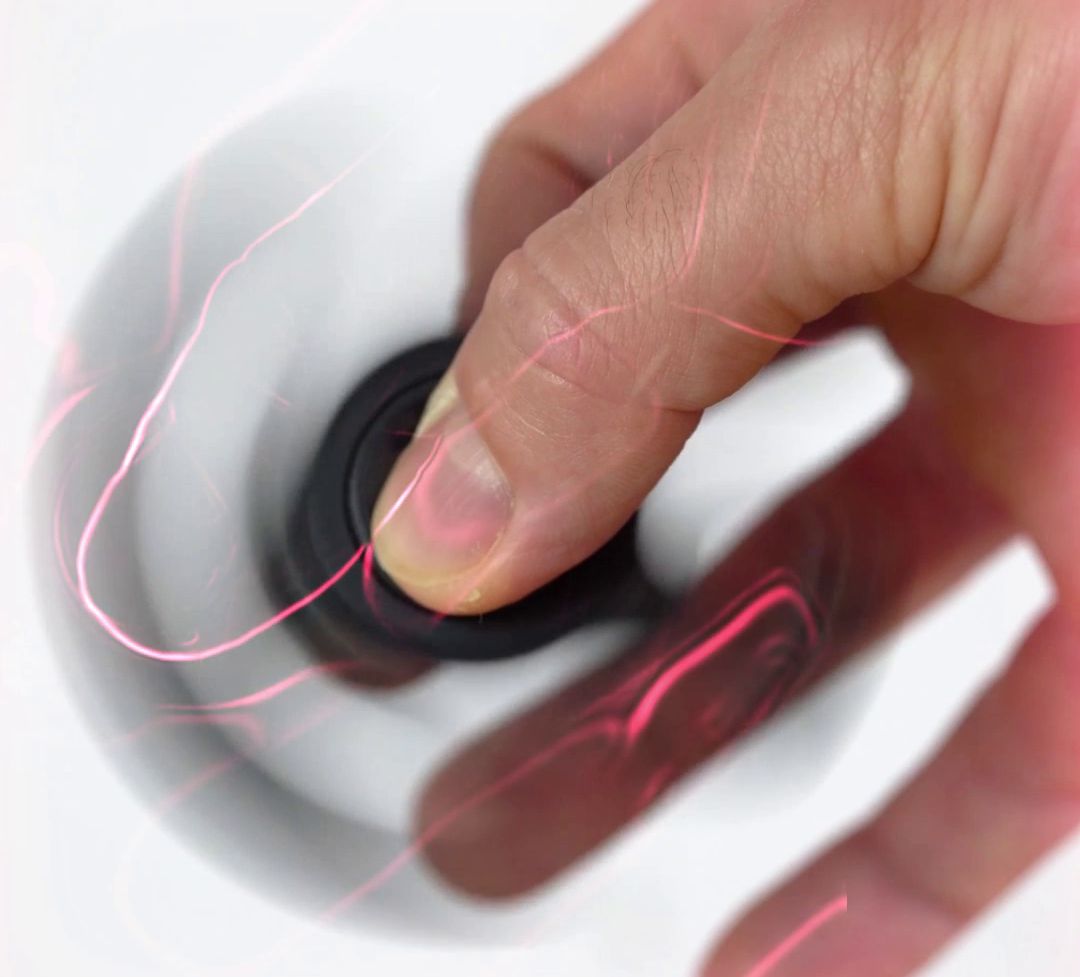
- Spinners: Classic models with a central bearing that allows for prolonged spinning.
- Sliders and clickers: Objects designed to slide or click, often with magnets, that produce satisfying tactile and auditory feedback.
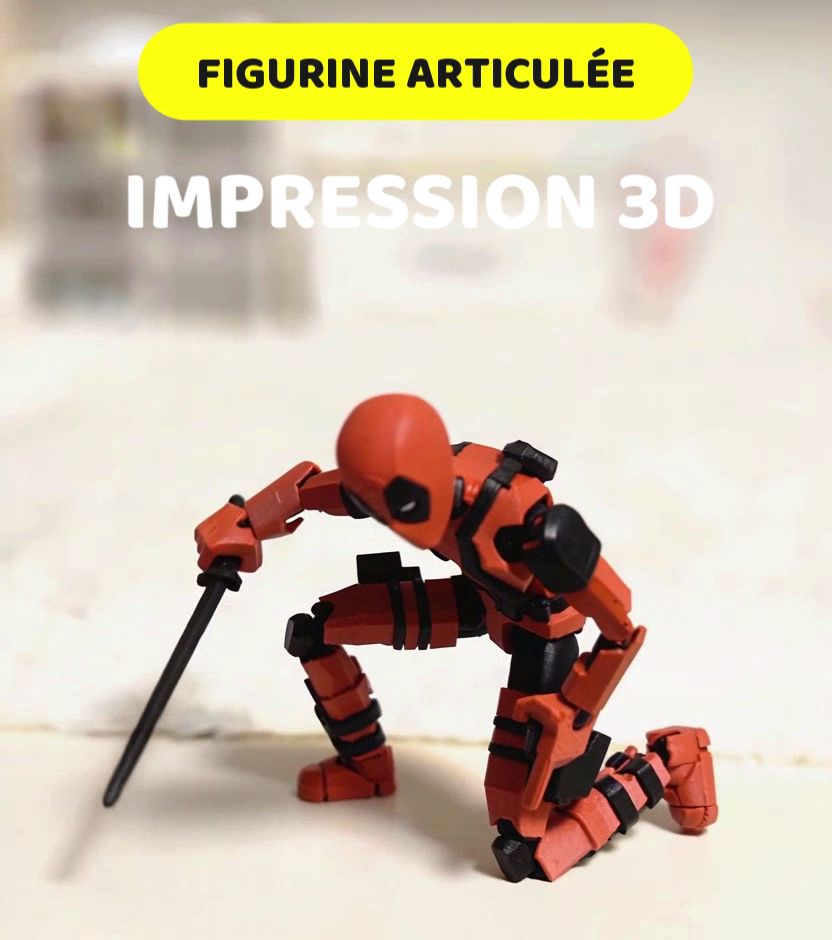
- Articulated and flexible toys: Creations like articulated dragons, worms, or octopuses that can be bent and twisted without breaking. These models, often called "Print-in-Place," are designed to be printed in one go without requiring assembly after leaving the printer.
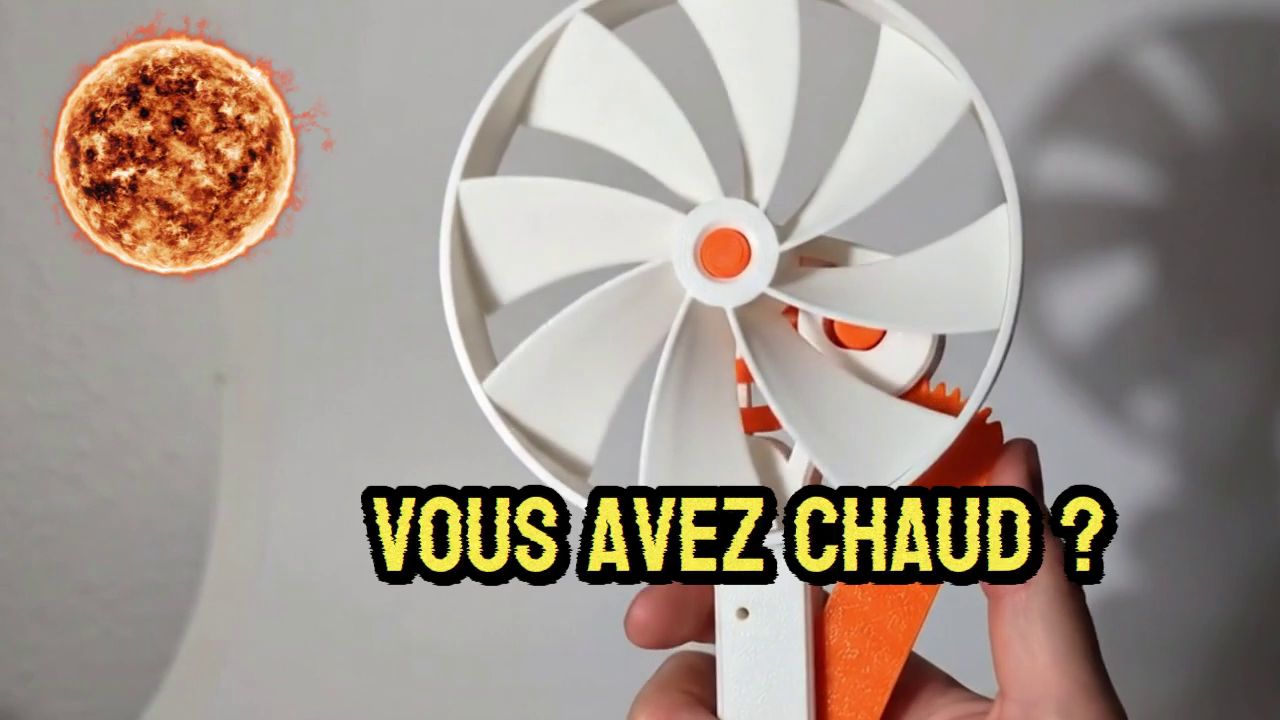
- Gears and mechanisms: Complex toys featuring cogs, buttons, and other mechanical elements that you can spin or press.
The benefits of 3D printing
3D printing offers unique advantages that set it apart from commercial stress-relief toys:
- Personalization: You can adjust the size, shape, and texture of the object to perfectly match your sensory preferences. This is ideal for people with specific needs, such as those with ADHD or sensory processing disorders.
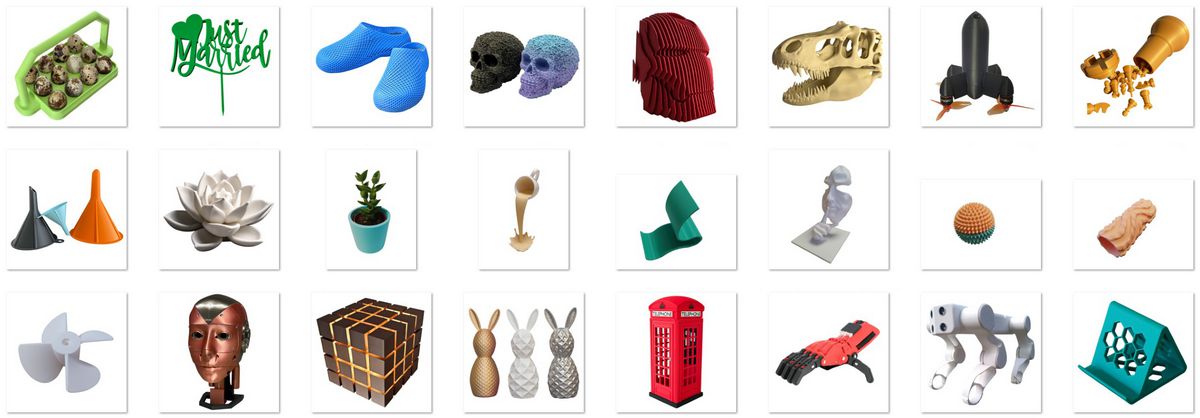
- Infinite variety: Platforms like Thingiverse, Printables, and Cults3D are filled with thousands of models, often free, that aren't available commercially. This allows you to try new designs constantly.
- Cost: Once you've bought your printer, model files are often free and material costs (such as PLA) are very low, making object creation highly affordable.
What materials to use and where to find models?
Most of these toys are printed in PLA, a biodegradable plastic filament that's easy to print. For those who prefer a softer feel, flexible filaments like TPU can also be used.
To find models to print, check our selection of free 3D file sites
These platforms host vast collections of STL files, the standard file format for 3D printing, where creators share their designs for free or at modest prices.
3D printing has opened a new avenue for creating stress-relief objects, combining the therapeutic benefits of tactile toys with the freedom and creativity of digital fabrication.