🔩 How Rapid Prototyping Transforms Your R&D Costs Into Profits

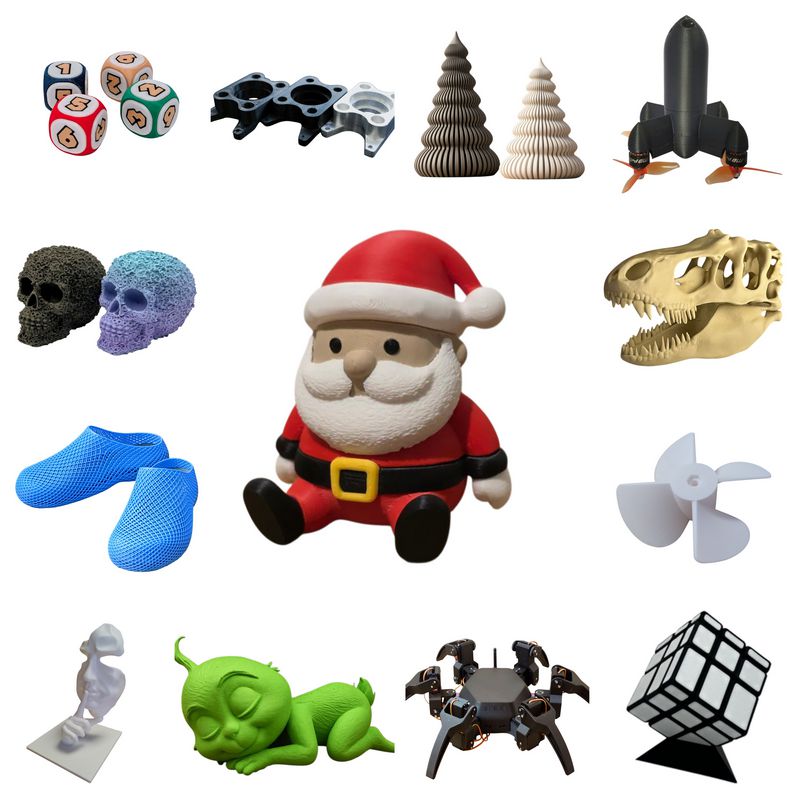
In traditional manufacturing, the adage "time is money" is a brutal accounting reality. Every week of delay in a product launch can cost tens of thousands of euros. This is where rapid prototyping (and more specifically 3D printing) stops being a "lab gadget" and becomes a strategic financial lever.
Here's how your company can concretely reduce expenses with this technology, backed by numbers.

✅ The Death of "Fixed" Tooling Costs (The Zero-Mold Factor)
This is the most immediate source of savings. In a classic cycle (plastic injection), validating a functional prototype often requires creating a pilot mold in aluminum or steel.
-
The traditional scenario: You pay €5,000 to €15,000 for a mold. Lead time: 4 to 8 weeks. If the prototype has a 1 mm design flaw, the mold needs rework or scrapping.
-
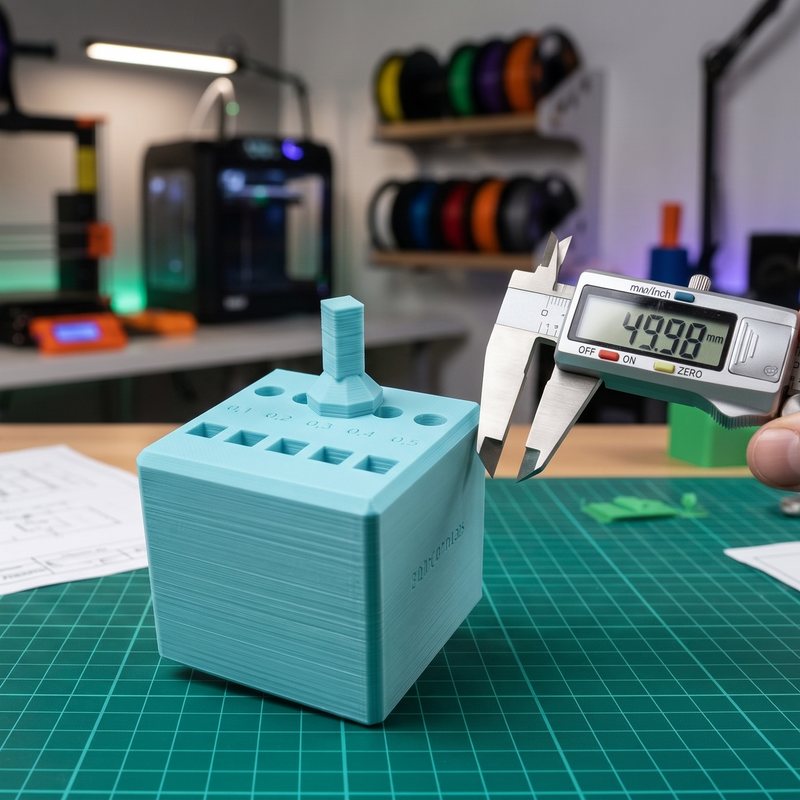
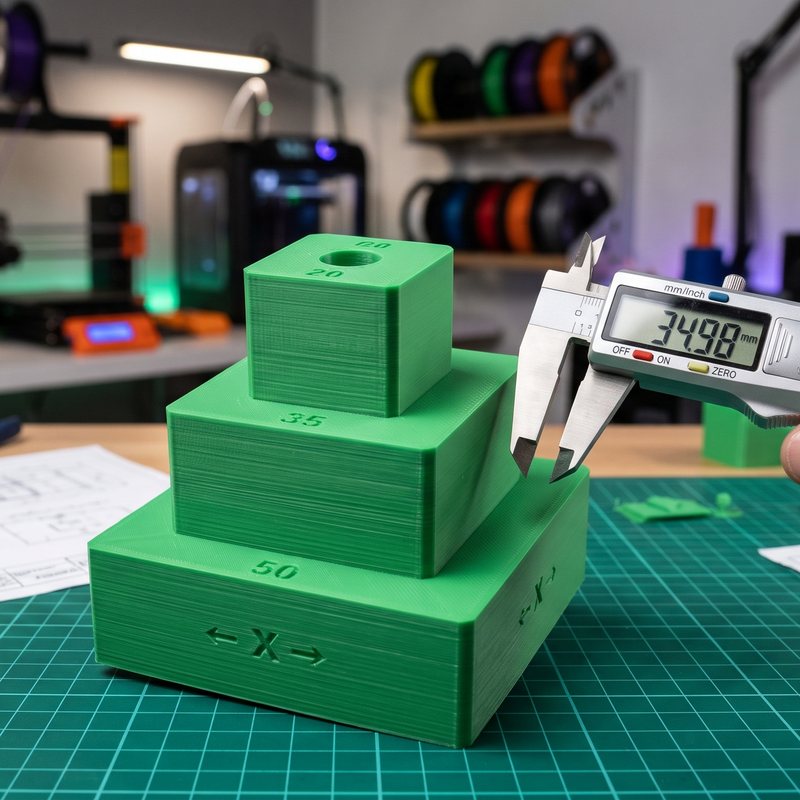
The 3D printing scenario: You print the part in-house or via a service. Cost: €50 in material. Lead time: 24 hours.
Real savings: You transform a CAPEX (heavy, risky investment) into OPEX (minimal operating cost). For a SMB launching 5 products per year, savings on pilot molds can exceed €50,000/year.
✅ "Fail Fast, Fail Cheap": Reducing the Cost of Mistakes
The cost of a design change follows an exponential curve. Changing a dimension costs €10 in the drawing phase, €1,000 in the prototyping phase, and €100,000 once production launches.
Rapid prototyping lets you fail early and cheaply.
-
Instead of gathering the team around a 3D drawing on screen (where ergonomic errors are hard to spot), you put the physical object in the hands of sales reps and engineers the same day.
-
Result: Errors are caught before you commit to tooling costs. Avoiding a single mold mistake often pays back a professional printer (like FDM or SLA) investment instantly.
✅ Case Study: The Pankl Racing Systems Example
To illustrate the financial impact, let's take a documented example. Pankl Racing Systems (high-performance mechanical parts) integrated 3D printing not to sell printed parts, but to manufacture its assembly fixtures (internal tooling).
-
Before: Machining fixtures in metal. High cost, long lead times (2–3 weeks).
-
After: Printing fixtures in-house.
-
Financial result: They reported savings of €150,000 in a single year and a 90% reduction in tool manufacturing costs.
Key takeaway: Savings don't always come from the final product, but often from the invisible tooling that makes manufacturing it possible.
✅ Hidden Costs: Storage and Logistics (Digital Inventory)
Rapid prototyping also allows you to rethink spare parts or small-series inventory management. Why stock 500 parts "just in case" in a heated, monitored warehouse?
3D printing enables the concept of digital inventory:
-
You store the STL file (digital) in the Cloud (Cost: €0).
-
You produce the part only when a customer order arrives.
-
You eliminate overproduction costs and waste from unsold inventory.
This is the strategy adopted by brands like Jaguar, which reprints replacement parts for heritage models (like the 1957 XKSS) instead of relaunching expensive production lines.
✅ The Verdict: Internalize or Outsource?
To unlock these savings, the strategic question is: should you invest in your own equipment or hire a service provider? The answer depends on whether you prioritize marginal cost or flexibility.
Option 1: Internalization (Buy a Machine)
This is the choice for high-volume profitability and speed. By buying your own printer, you bring the cost of each prototype down to pure material costs (a few euros).
-
Major advantages: ROI is spectacular, often under 6 months for a standard professional machine. Best of all, you gain total responsiveness: a part designed in the morning is tested in the afternoon.
-
The constraint: It requires upskilling. You'll need to train an in-house expert to manage files and ensure machine maintenance (clogged nozzles, calibration).
Option 2: Outsourcing (Service Bureau)
This is the choice for security and cutting-edge technology. You send your files to specialized services (like Sculpteo, Protolabs, etc.).
-
Major advantages: Zero upfront investment (zero CAPEX). It gives you access to cutting-edge technologies beyond a SMB's reach (metal printing, SLS powder sintering) with no technical risk.
-
The constraint: Cost per part is significantly higher (it includes the provider's margin and their industrial machine amortization) and you depend on logistics timelines, typically 3–4 business days.
My Strategic Advice
Don't choose—combine both. The winning strategy for most companies is to internalize an accessible technology (FDM/filament) for daily "3D drafting," and continue outsourcing final prototypes requiring complex materials (metal) or flawless surface finish.