Multicolor Filament: The Simple Solution for Vibrant 3D Prints
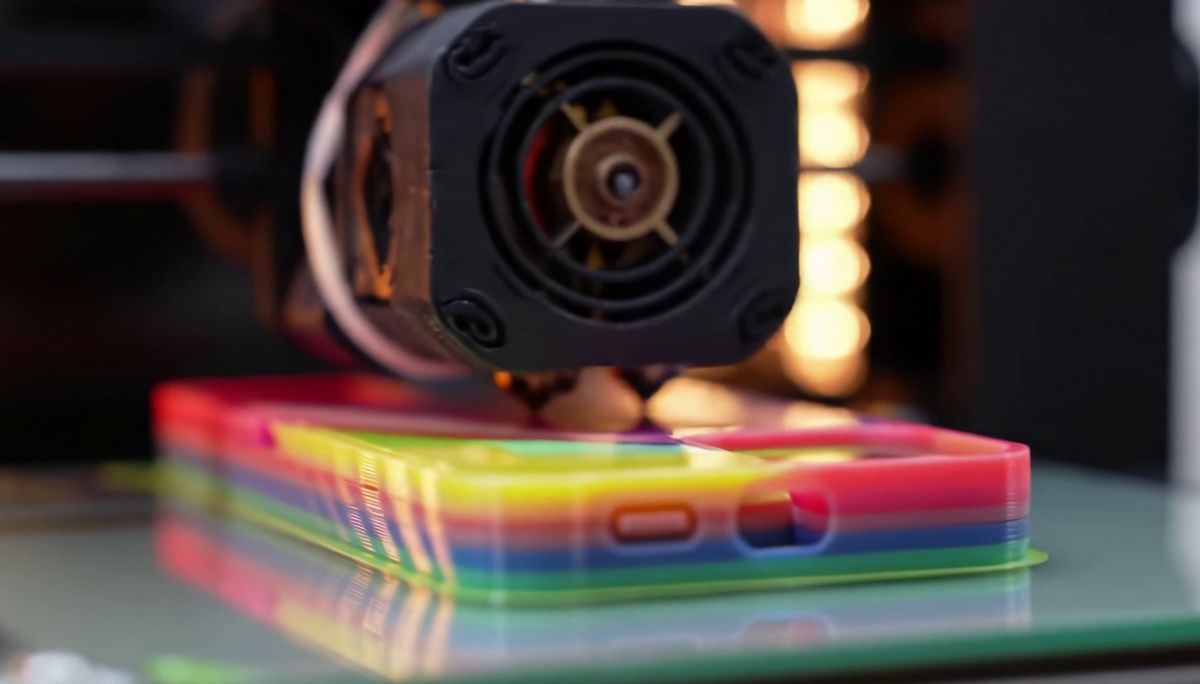
Multicolor 3D printing has long been a challenge, reserved for pricier machines equipped with multi-material systems. But there's a simple, accessible solution for everyone: multicolor filament. This unique filament type lets you create prints with varied hues using just a standard FDM 3D printer—no need to swap spools manually.
What is multicolor filament?

Multicolor filament, also called "rainbow" filament, is a standard filament (often PLA) whose color shifts gradually or in segments along its entire length.
There are generally two types:
- Smooth gradient: The color transitions smoothly from one shade to another (for example, red to orange to yellow) over a long stretch of filament. This creates a continuous gradient effect and is ideal for large pieces.
- Rapid transition: The color changes more distinctly and quickly. Perfect for small objects where you want to see different color blocks on the same piece.
The benefits of this solution
Using multicolor filament offers many advantages, especially for hobbyists.
- Simplicity and accessibility: This is its biggest strength. It works on any single-extruder FDM 3D printer with no additional hardware or complex slicer settings. Just load it and print.
- Cost-effective: It's a much more affordable alternative to multi-material systems, which often cost several hundred euros.
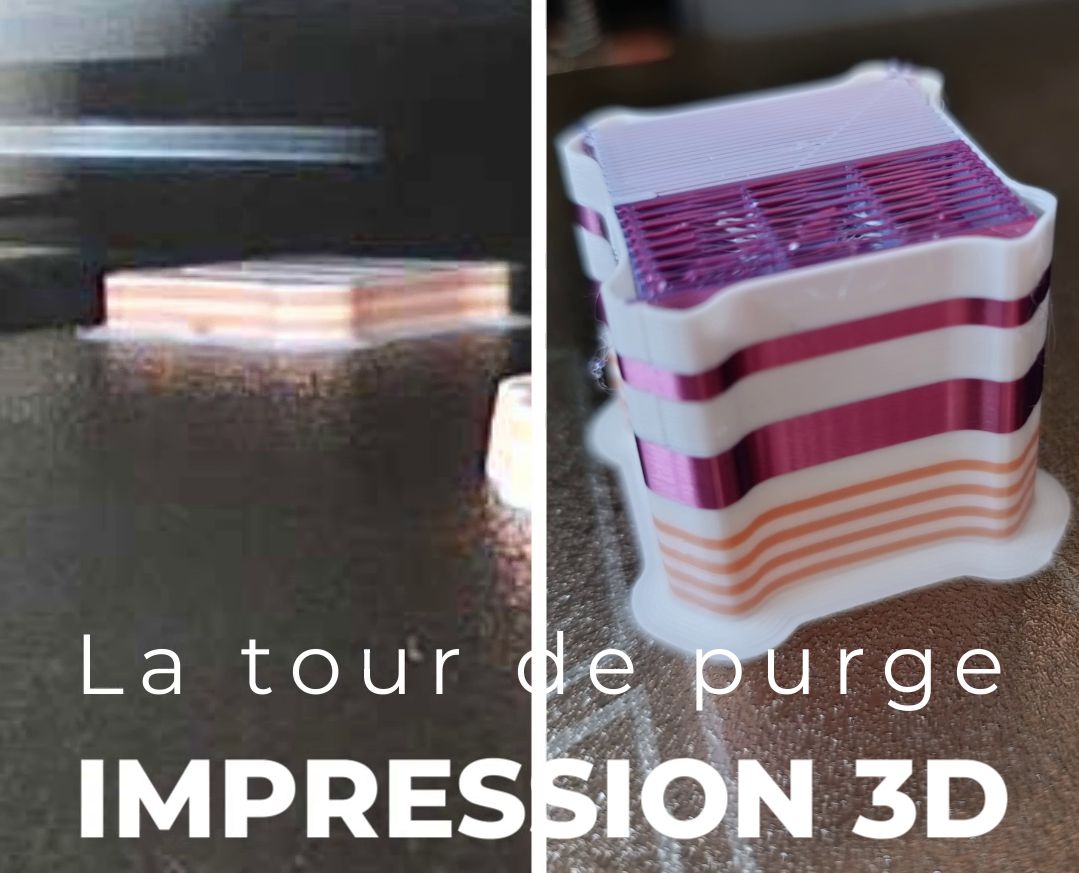
- Zero waste: Unlike systems that purge filament with every color change, multicolor filament generates no waste.
- Unique aesthetics: It lets you create pieces with a surprising, random visual effect, making each print one-of-a-kind.
The limitations of multicolor filament
While fun and simple, this solution has its own constraints worth understanding before buying a spool.
- Limited control: You can't precisely choose where the color changes on your piece. The final result depends on object size, infill density, and the color transition length of the filament itself.
- Effect not guaranteed: If you print a small object, you might use only one color and miss the rainbow effect entirely. It's essential to check the color transition length listed by the manufacturer to gauge the effect on your print.
- Not suited for specific designs: This filament type doesn't work for prints requiring precise colors at defined locations (like a company logo).
Taking it further
Once you master the basics, the possibilities are endless:
- Create your own designs using CAD software.
- Use specialty filaments to add weight (filaments with metallic particles) or achieve a unique look.
- Paint your creation to personalize it.
In short, a 3D-printed object is much more than just something functional—it's a fun entry point into a world of skills, learning, and creativity that's just getting started.
Tips for successful prints
To get the most from your multicolor filament, follow these tips:
- Choose the right object size: The larger your print and the more filament it uses, the more you'll see the transition effect.
- Use a fine layer height: A lower layer height (for example 0.16 mm) can help create more subtle and progressive color transitions on medium-sized objects.
- Opt for 1 kg spools: They typically offer longer, smoother transitions.
In conclusion, multicolor filament is a simple, fun, and budget-friendly way to add creative flair to your 3D prints. It's perfect for experimenting and creating unique decorative objects without heavy equipment investment.
Partner link: Multicolor filament or Rainbow filament
To find the ideal material for your project, try our filament selector.