Lightweight PLA (LW-PLA): The Secret to Lightweight 3D Printing

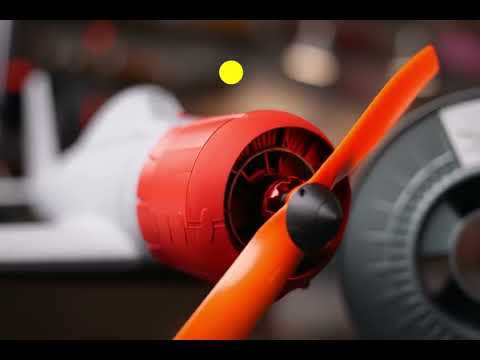
Lightweight PLA (LW-PLA), or Light PLA, is a revolutionary filament that enables printing parts with significantly reduced density, opening new possibilities, especially in the field of RC aircraft and applications requiring low weight.
The Chemical Principle: The Blowing Agent
What sets LW-PLA apart from standard PLA is the inclusion of a chemical blowing agent within the filament.
-
Thermal Activation: When the filament is heated above a certain temperature (often around 230–260°C), this agent decomposes and releases a gas (typically CO₂ or nitrogen).
-
Expansion: This gas creates micro air bubbles inside the filament as it's extruded. The filament expands, increasing its volume, but its mass remains the same.
-
Result: The deposited filament is a solid foam, allowing for a weight reduction of 40 to 60% compared to an equivalent part in standard PLA.
The RC Aircraft Champion
The main application that popularized LW-PLA is RC aircraft modeling:
-
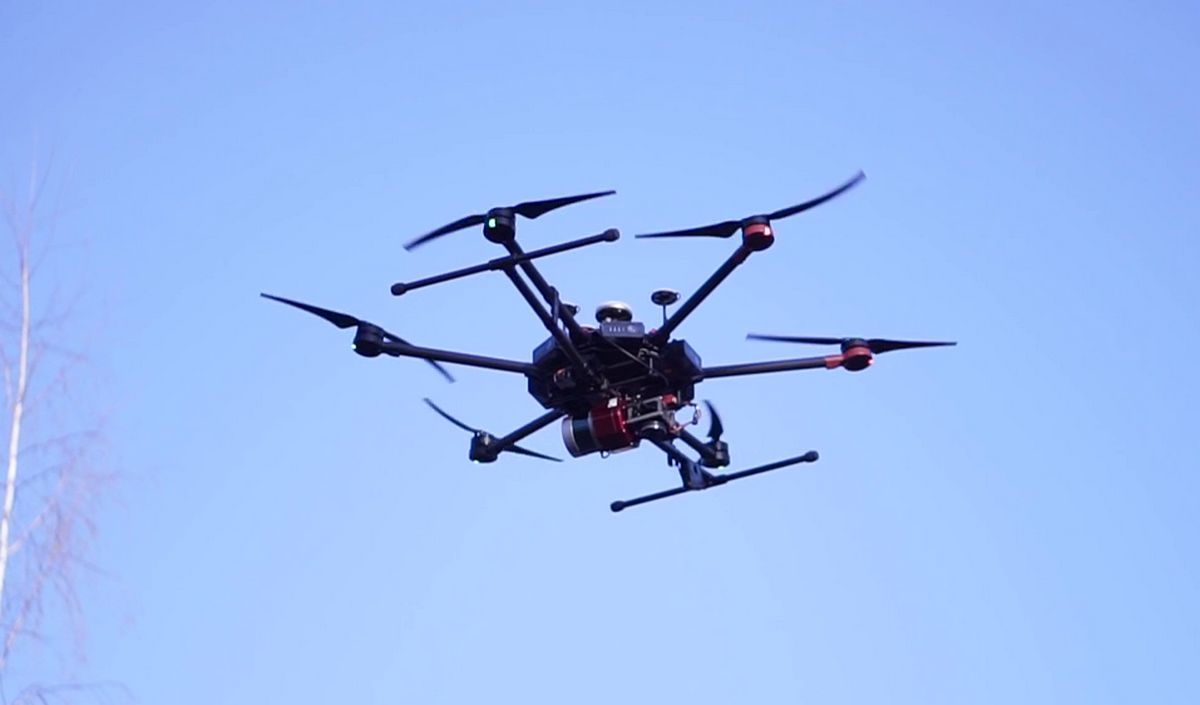
Aircraft and Drones: Lightness is the most critical factor for flying models. LW-PLA allows you to print aircraft (wings, fuselages) that are strong enough to withstand flight stresses but light enough to maximize flight time and maneuverability.
-
Alternative to Traditional Materials: It offers a simpler and more precise alternative to Balsa or laser-cut foam, enabling complex and customized designs.
The Challenges of Printing
Printing in LW-PLA requires mastering two critical parameters to control foaming and density:
A. Extrusion Temperature
-
Density Control: Temperature is the main lever. A higher temperature activates the blowing agent more, leading to more foaming and thus lower density (and a lighter part).
-
Variability: Each LW-PLA brand has an ideal temperature range. Testing is essential to find the balance between maximum lightness and acceptable mechanical strength.
B. Flow Rate
-
Compensating for Expansion: Since the material expands, if the slicer (slicing software) requested 100% flow, the part would be over-extruded.
-
Adjustment: It's necessary to reduce the flow rate in the slicer (often to 60% or less) to compensate for expansion. This ensures that the amount of foam deposited is what you want.
Technical Advantages and Limitations

In conclusion, Lightweight PLA is a powerful niche material, transforming 3D printing into a viable option for builders who need large, lightweight parts, particularly in the RC flying industry.
Strength, heat, flexibility: check your needs in our interactive selector.