3D Printed RC Flying Wing: Complete Guide A to Z
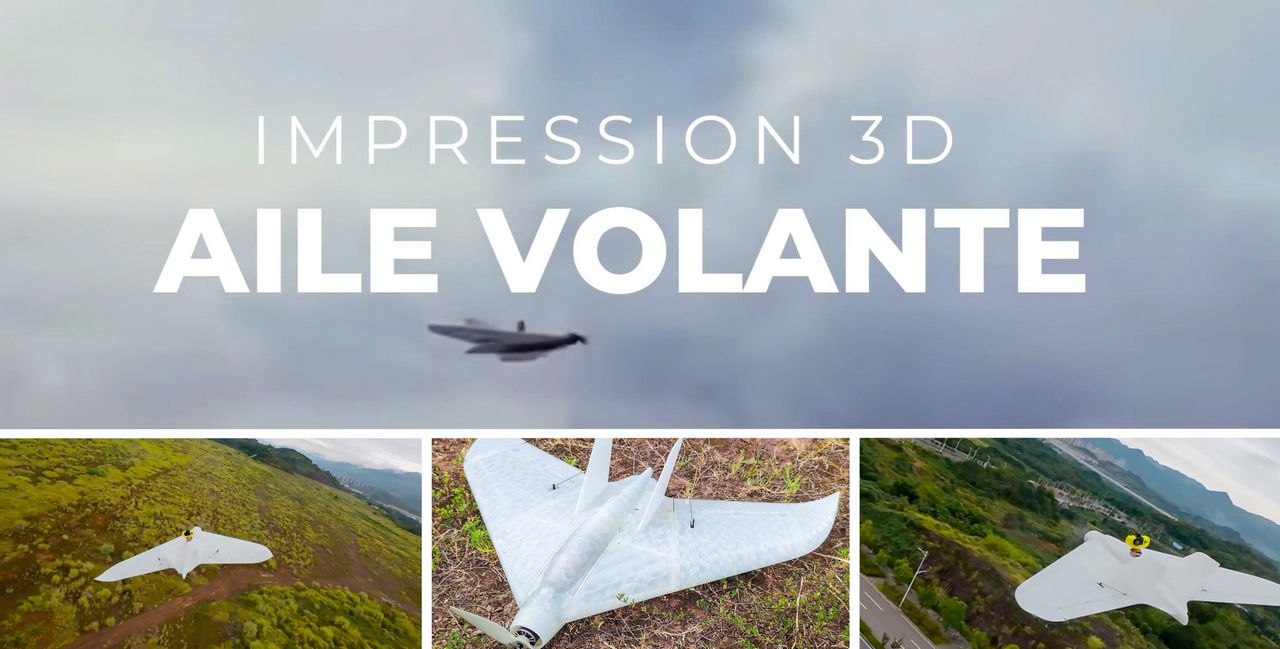
3D printing has radically transformed the world of RC aircraft, and the flying wing is arguably the format that benefits most from it. Combining pure aerodynamics with weight savings, here's a guide to successfully complete your 3D-printed RC flying wing project.

(Image and 3D File Source: LaoYan FPV via MakerWorld)
✅ Why Choose a Flying Wing?
Unlike traditional aircraft, the flying wing eliminates the complex fuselage and rear tail surfaces. For 3D printing, this is ideal because:
-
Structural simplicity: Fewer parts to assemble.
-
Efficiency: Less drag, which often compensates for the extra weight of plastic compared to foam (EPO).
-
Strength: Internal structures (ribs) are printed directly with the skin.
✅ Recommended Materials
Filament selection is the deciding factor between a flying brick and a high-performance glider.
| Material | Advantages | Disadvantages |
| LW-PLA (Active Foaming) | The king. 50% lighter than standard PLA. | More expensive, requires fine-tuning. |
| Standard PLA | Very rigid, easy to print, affordable. | Very heavy, brittle, sensitive to sun heat. |
| PETG | More resistant to impact and UV. | Denser and prone to stringing. |
If you use LW-PLA (Lightweight PLA), you can achieve wing loading comparable to commercial foam models.
✅ Print Configuration (Slicer)
To get a lightweight wing, you don't print like a figurine. You typically use "Vase" mode or a single wall configuration.
-
Wall thickness: 0.4 mm to 0.6 mm.
-
Infill: 0% (internal structure is usually modeled in the STL file itself).
-
Top/bottom layers: 2 or 3 to ensure junction between sections.
✅ Typical Electronics Setup
A flying wing requires an "Elevon" configuration (pitch/aileron mixing).
-
Motor: Brushless (2205 to 2306 type for small 80cm wings).
-
ESC: 30A to 50A depending on motor.
-
Servos: 2x 9g (metal gears recommended).
-
Battery: LiPo 3S or 4S (1300-2200 mAh).
-
Reinforcement: Carbon spars (3mm or 4mm tubes) are essential to prevent wing flex during flight.
✅ Where to Find Models (STL Files)?
-
Eclipson Airplanes: Highly optimized designs for LW-PLA.
-
3DLabPrint: Pioneers in the field, with very detailed models.
-
PlanePrint: Known for innovative designs and high-performance aerodynamic profiles.
-
Thingiverse / Printables: Free models like the famous "Z-Wing".
✅ Safety Tips and Finishing
-
Balance (CG): This is the critical point. A flying wing with its center of gravity too far back is uncontrollable. Check it thoroughly before the first flight.
-
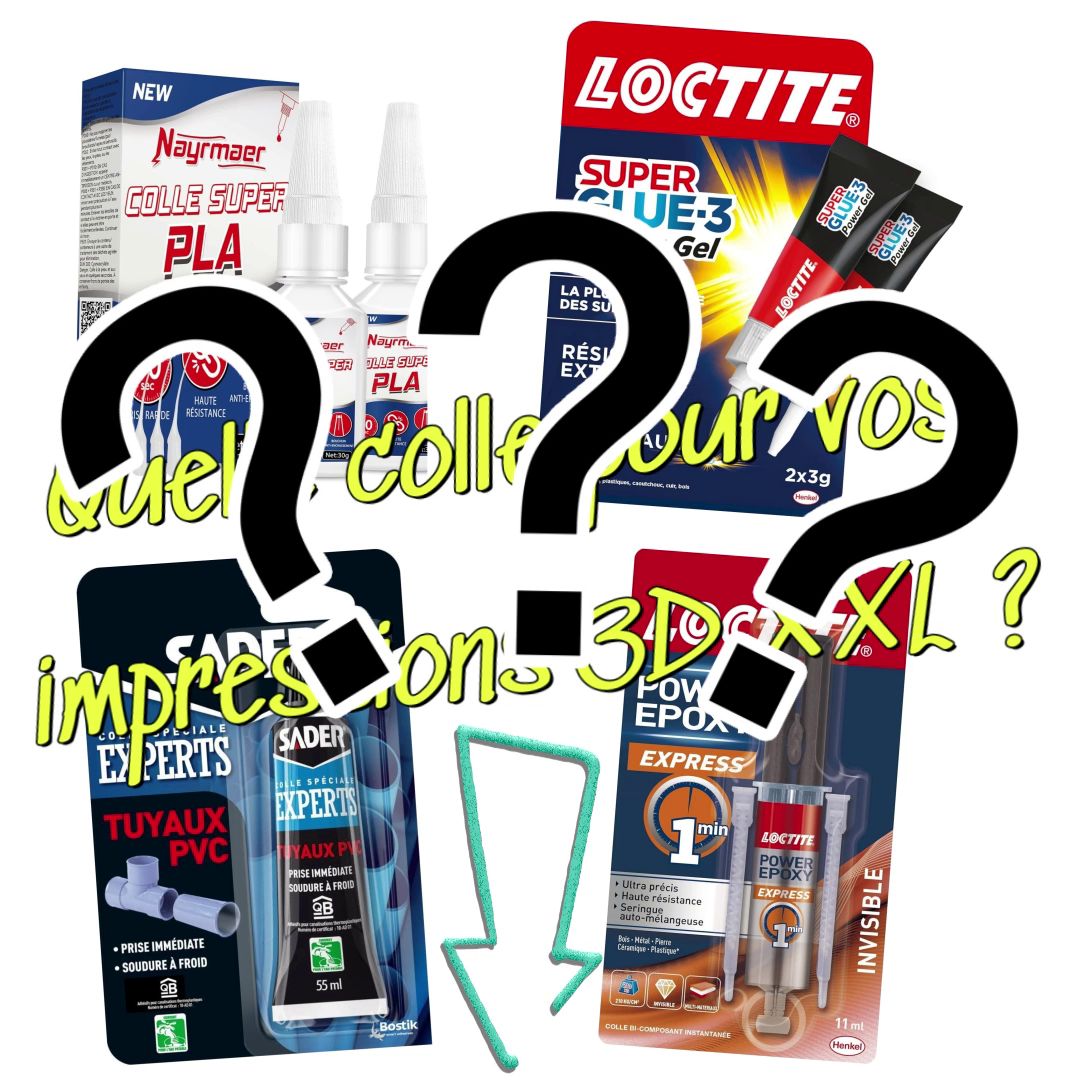
Bonding: Use medium CA glue (cyanoacrylate) with an accelerator for instant chemical welding of plastic.
-
Paint: Avoid dark colors if printing in PLA, as sun can warp the structure in minutes at the field (greenhouse effect).
In summary, 3D printing is no longer just a curiosity for RC aircraft builders—it's a genuine tool of freedom. Sure, the learning curve for LW-PLA and precision tuning can seem steep, but the thrill of watching an aircraft you literally built layer by layer take flight is unmatched. So what are you waiting for? Launch your first print and join the flying wing revolution!
✅ Partner Links
Brushless Motor: https://amzn.to/4bHy1jE
2x 9g Servos: https://amzn.to/4ur5xlL
10 inch Propeller: https://amzn.to/4cPvXan
Carbon Spars: https://amzn.to/4s5E8nI
Lipo Battery: https://amzn.to/4s6w5He