Is PLA Filament Eco-Friendly and Sustainable?

PLA filament (polylactic acid) is by far the most popular material in 3D printing. It owes its reputation not only to its ease of use but also to its reputation as an "eco-friendly" and "sustainable" plastic. But is that really the case? This article explores the advantages of PLA and sheds light on the nuances of its environmental footprint.
What is PLA and why is it considered eco-friendly?

The main environmental advantage of PLA lies in its origin. Unlike other filaments such as ABS, which are derived from petroleum, PLA is a bioplastic. It is made from renewable and natural resources such as:
- Corn starch
- Sugarcane
- Cassava root
Its production has a much lower carbon impact than traditional plastics, making it a far more environmentally respectful choice from the start.
PLA, biodegradable... Really?
This is where the main confusion lies. PLA is technically biodegradable, but this degradation does not occur under any conditions. It is false to believe that an object printed in PLA will decompose in your garden or in a home compost bin.
For PLA to degrade, it needs a controlled environment, namely:
- High temperature (above 60 °C).
- High humidity.
- Specific microorganisms.
These conditions are only found in industrial composting facilities and not in the natural environment. Moreover, these centers are not yet widely available, which greatly complicates the recycling and degradation of your PLA waste.
How to truly be eco-responsible with PLA?
True eco-responsibility does not rely solely on the choice of material, but on all of your practices.
- Reduce waste: Optimize your prints to minimize scraps and failed prints. Good calibration of your printer will save you filament.
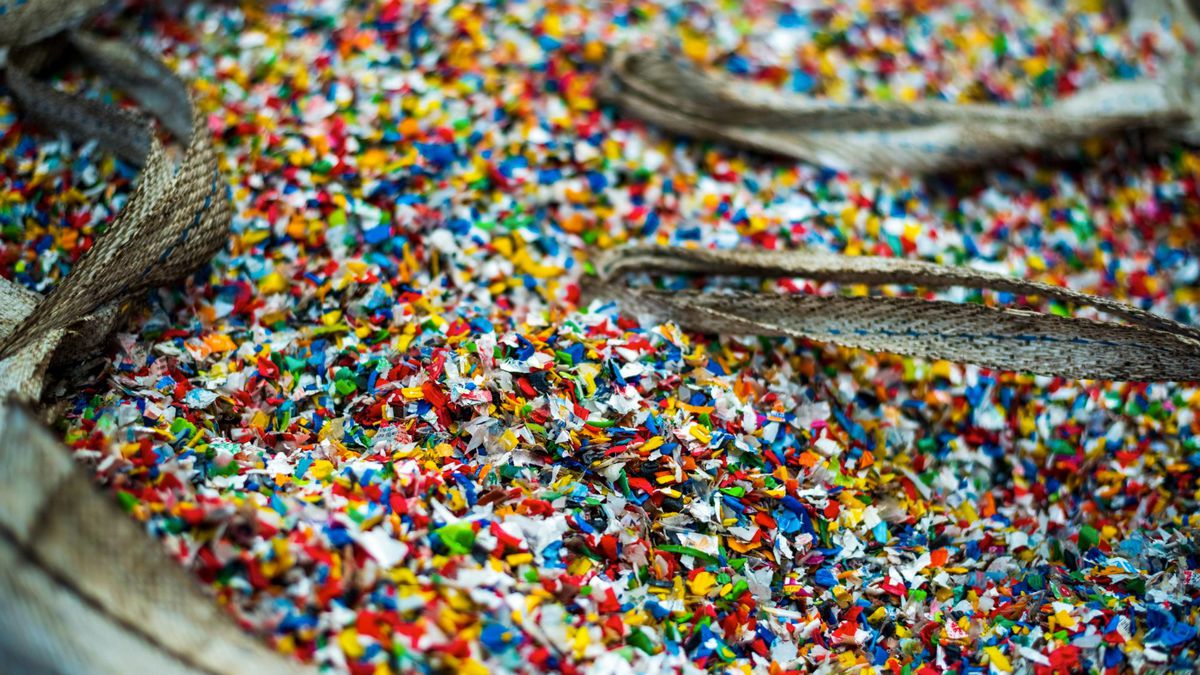
- Recycle scraps: PLA should not be thrown in your regular recycling bin (which is reserved for PET, HDPE, etc.). Specialized initiatives and companies exist to collect your scraps and transform them into new spools.
- Favor short supply chains: Choose local or European filament brands to reduce the carbon footprint associated with transportation.
- Reuse: For your filament scraps, consider creative projects! Some people melt the leftover to create solid blocks, while others use them in decoration projects.
In conclusion, PLA is a much more interesting option for the environment than plastic derived from petroleum. However, its reputation as a "green plastic" should be understood with nuance. True eco-responsible practice combines material choice with more conscious consumption and smart waste management.
Here are some filament brands that are committed to eco-responsible practices.
Recycled filament brands
These companies specialize in recovering plastic waste to make new spools.
- Francofil: This French brand stands out for its very local and circular approach. In addition to offering recycled PLA, it uses by-products from the food industry, such as coffee grounds or mussel shells, to create filaments with unique textures.
- FormFutura (ReForm range): The brand offers a range of ReForm filaments, made from production scraps from their own factory. This is an approach that ensures traceability and consistent quality for 100% recycled filaments. Partner link: https://amzn.to/3UmIcRm
- PolyMaker (PolyTerra Edition-R): PolyMaker offers a recycled version of its popular PolyTerra filament. Edition-R is designed with a percentage of recycled post-industrial PLA, which helps better manage manufacturing waste. Partner link: https://amzn.to/45tkI1U
Bio-based and innovative filament brands
These companies go beyond simple PLA by developing even more environmentally friendly materials or with unique characteristics.
- ColorFabb (allPHA range): ColorFabb is at the forefront of innovation with its allPHA filament. It is 100% bio-based and above all 100% biodegradable without leaving microplastics, even under standard composting conditions. Partner link: https://amzn.to/4mz2brZ
- Recreus (Purifier range): This brand offers filaments such as PLA Purifier that, in addition to being printable, have the ability to reduce air pollutants, acting as air purifiers during printing.
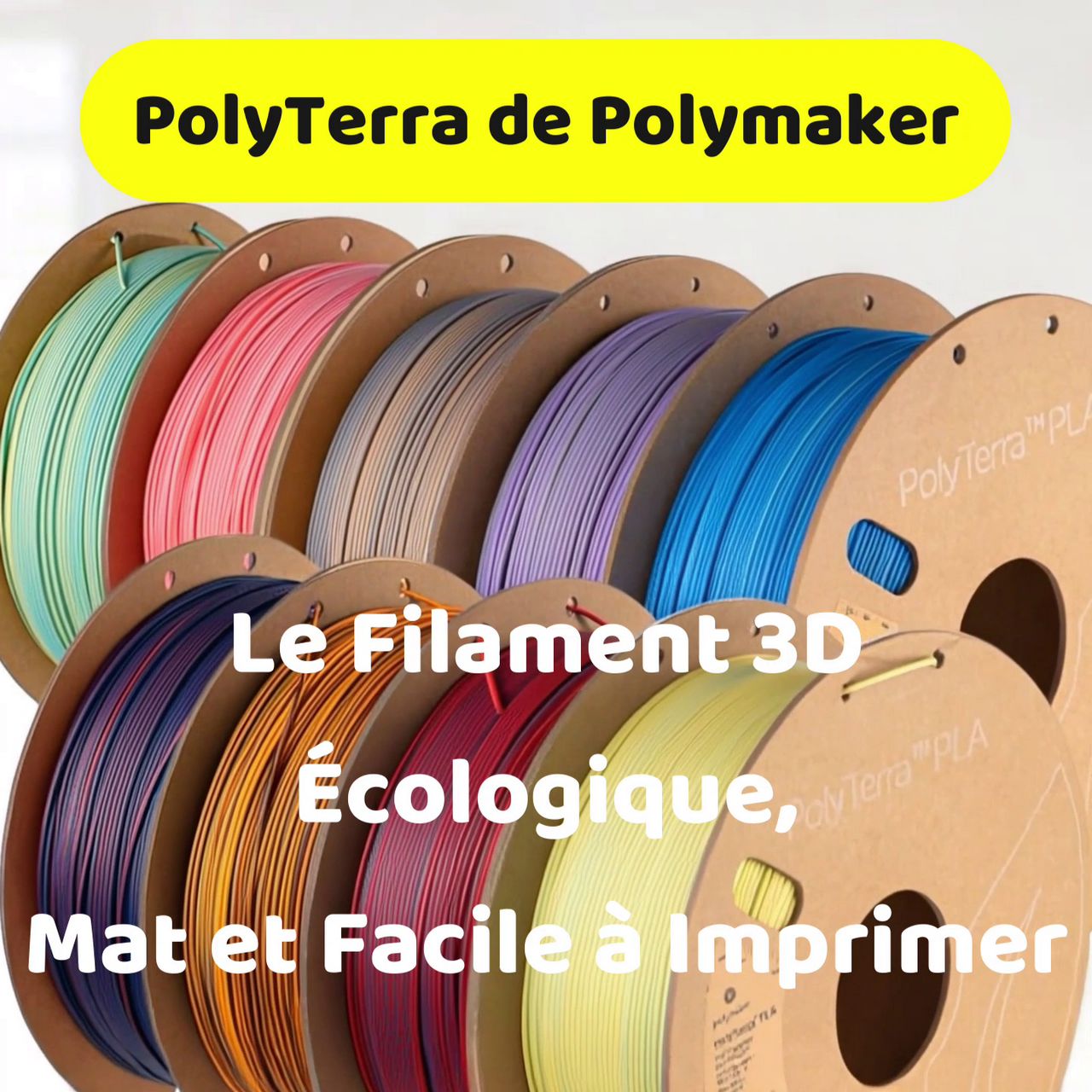
- PolyMaker (PolyTerra): In addition to its recycled versions, PolyTerra PLA is a bio-based filament whose spool is made of cardboard, thus reducing the amount of plastic used. Partner link: https://amzn.to/45tkI1U
Points to check for a responsible choice
When looking for an "eco-responsible" filament, it's always good to check:
- The origin of the filament: Local production (such as Made in France) reduces the impact of transportation.
- The type of spool: Favor cardboard or recyclable spools.
- The manufacturing process: Some brands are transparent about their recycling methods and raw material sourcing.
To compare materials at a glance, use our filament selection tool.